Sustainable Real Estate Development Building a Greener Future in Modern Housing
Sustainable real estate development refers to the practice of designing, constructing, and managing buildings in ways that minimize environmental impact, conserve resources, and promote long-term efficiency. Unlike traditional construction methods that often prioritize speed and cost, sustainable approaches focus on ecological responsibility, energy efficiency, and community well-being.
At its core, sustainable real estate development combines innovative design with renewable technologies. This includes energy-efficient systems, eco-friendly building materials, and thoughtful land-use planning. The goal is to reduce carbon emissions, optimize energy consumption, and create healthier living environments for residents.
Key Principles of Sustainable Real Estate
The foundation of sustainable real estate lies in a set of guiding principles that developers follow to balance economic growth with environmental stewardship.
One major principle is energy efficiency. Buildings consume nearly 40% of global energy, so reducing consumption through smart design and renewable sources is essential. Another principle is responsible resource management, using recycled materials, reducing construction waste, and incorporating water-saving technologies. Social sustainability is also crucial, as it ensures that developments benefit not just the environment but also the communities they serve by offering healthier indoor environments and green spaces.
The Role of Technology in Sustainable Real Estate
Technology plays a central role in advancing sustainable real estate development. Smart building systems, for example, allow developers and residents to monitor and optimize energy use in real time. These systems can automatically adjust heating, cooling, and lighting based on occupancy, drastically reducing waste.
Additionally, innovations in renewable energy technologies such as solar panels, geothermal systems, and wind energy integration have made it possible for residential and commercial properties to become largely self-sufficient. Coupled with digital tools like building information modeling (BIM), developers can design eco-friendly structures with greater precision, reducing errors and waste during construction.
Real-World Examples of Sustainable Real Estate Projects
1. Bosco Verticale, Milan
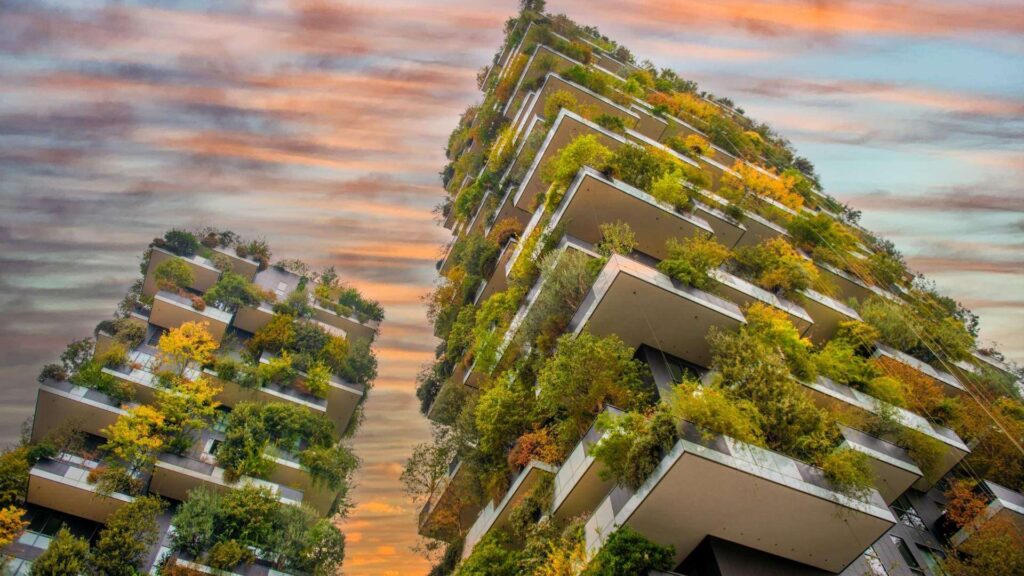
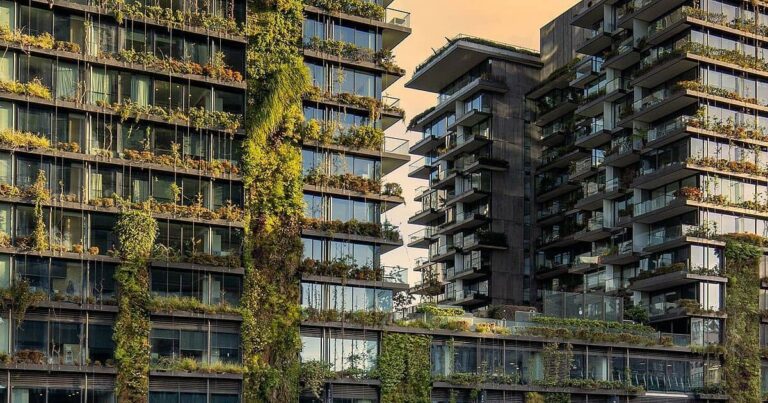
The Bosco Verticale in Milan, Italy, is one of the most recognizable examples of sustainable real estate development. This residential building integrates thousands of trees and plants directly into its design, functioning as a vertical forest. The vegetation helps absorb CO2, filter pollutants, and regulate temperature, creating a healthier microclimate for residents. This project highlights how architecture can merge with nature to combat urban pollution.
2. BedZED, London
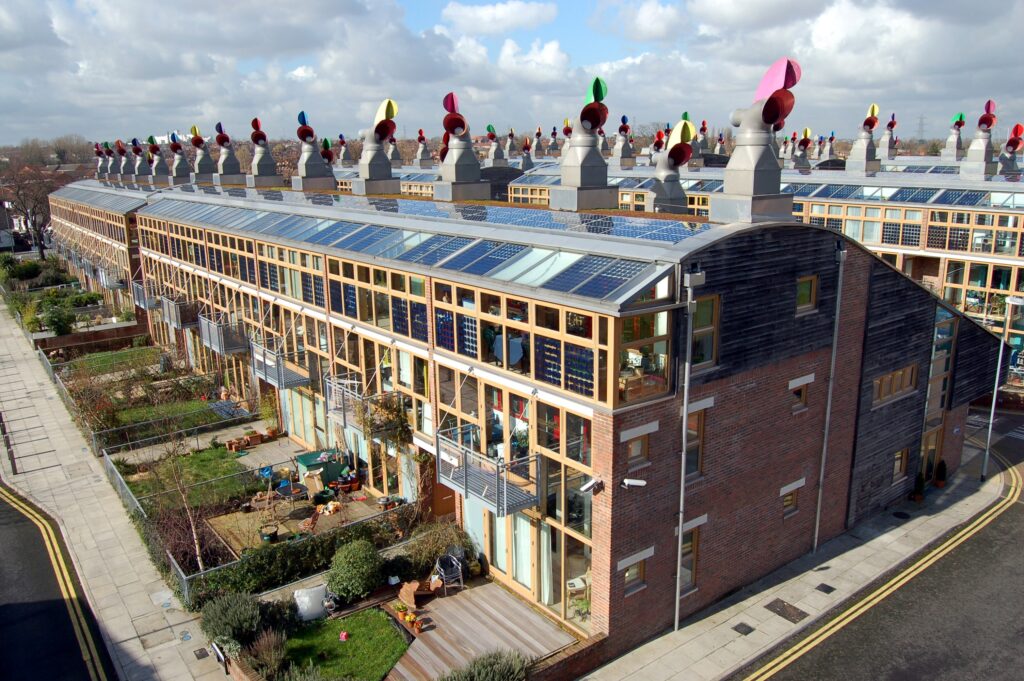
The Beddington Zero Energy Development (BedZED) in London is a pioneering eco-village that emphasizes carbon neutrality. It incorporates solar panels, energy-efficient appliances, and green roofs to reduce environmental impact. Residents benefit from significantly lower energy bills, and the development has inspired similar sustainable housing projects worldwide. BedZED demonstrates how entire communities can adopt sustainable living practices.
3. Masdar City, UAE
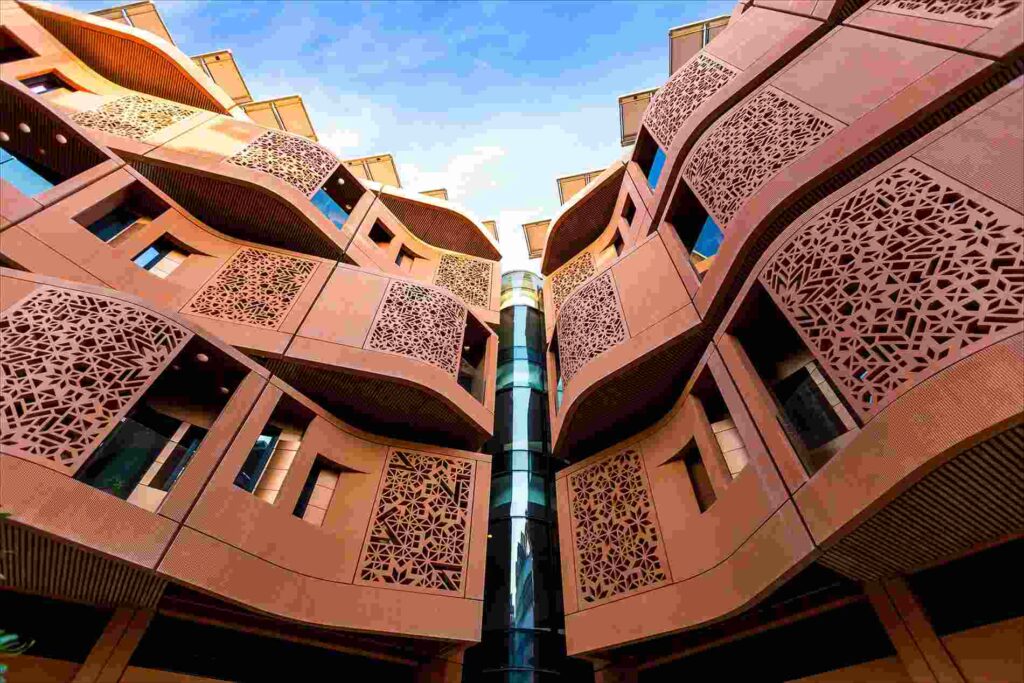
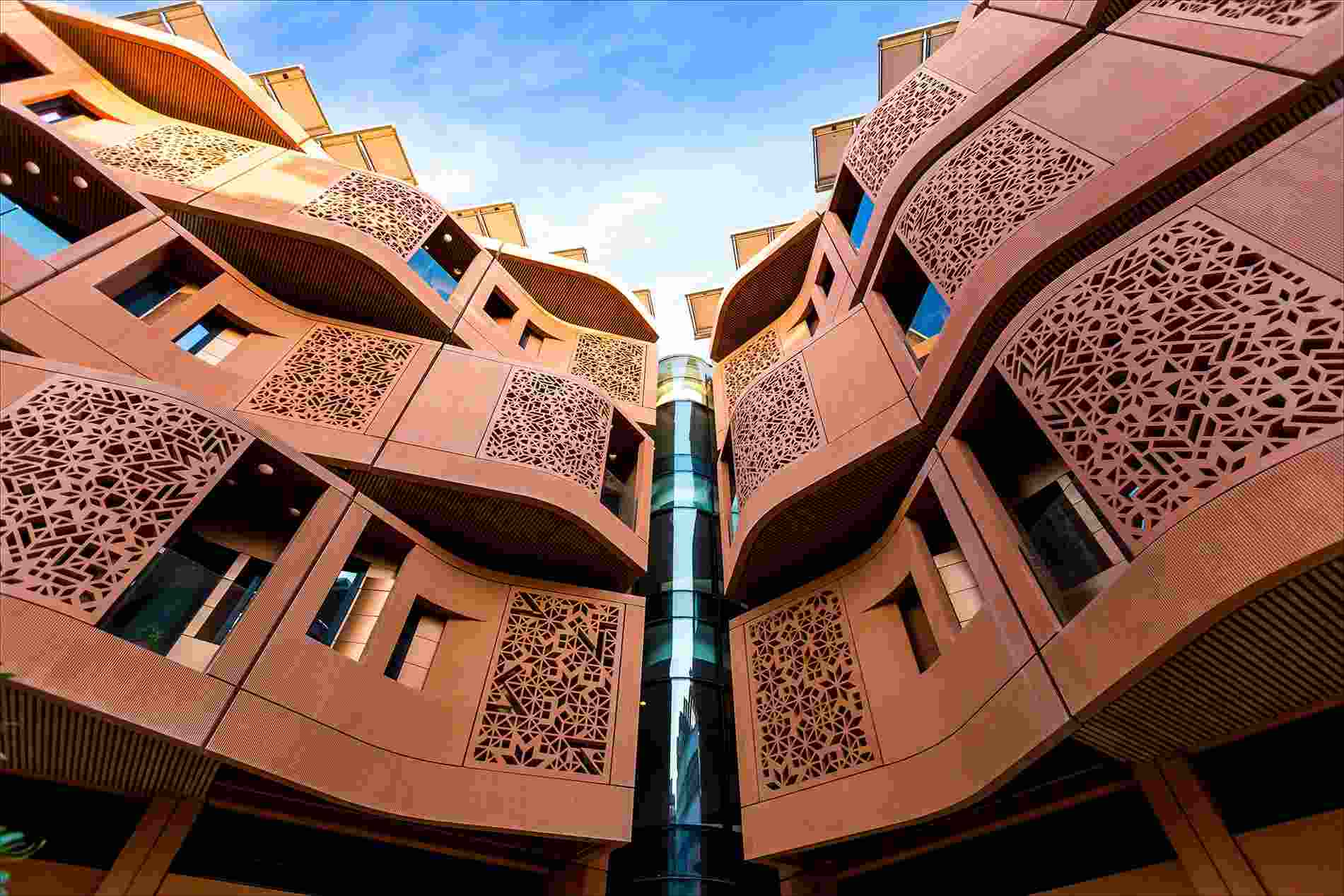
Masdar City in Abu Dhabi represents a large-scale urban experiment in sustainability. Designed to be a zero-carbon city, it relies heavily on renewable energy sources, including vast solar farms. Its architecture maximizes natural ventilation, and the city is planned to minimize reliance on cars, promoting walking and electric transport instead. Masdar City shows the potential for sustainable real estate on a city-wide scale.
4. The Edge, Amsterdam
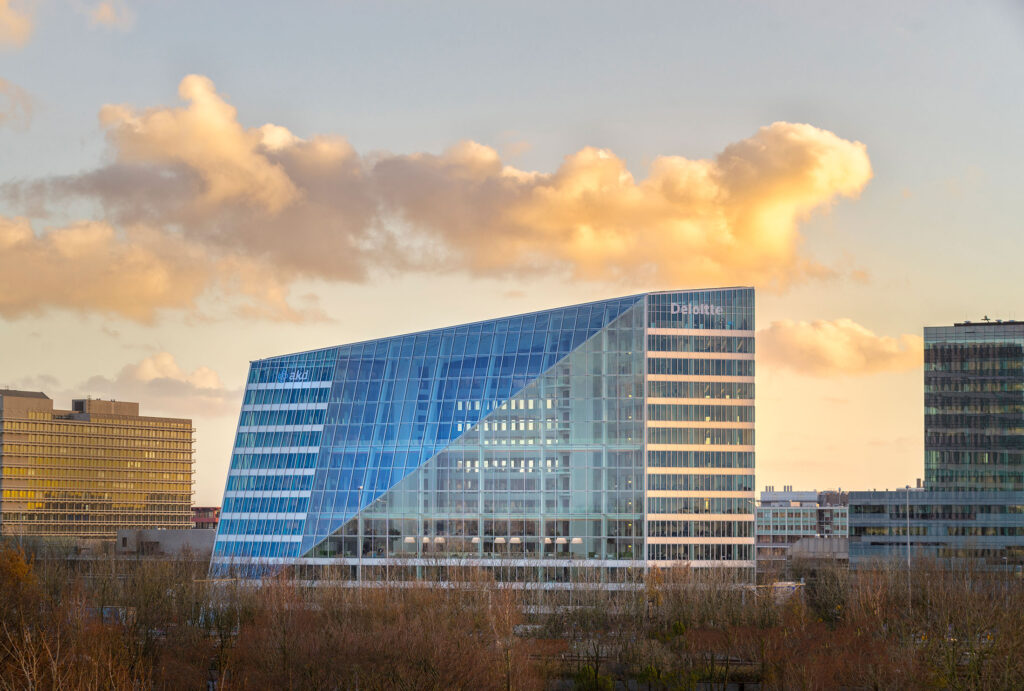
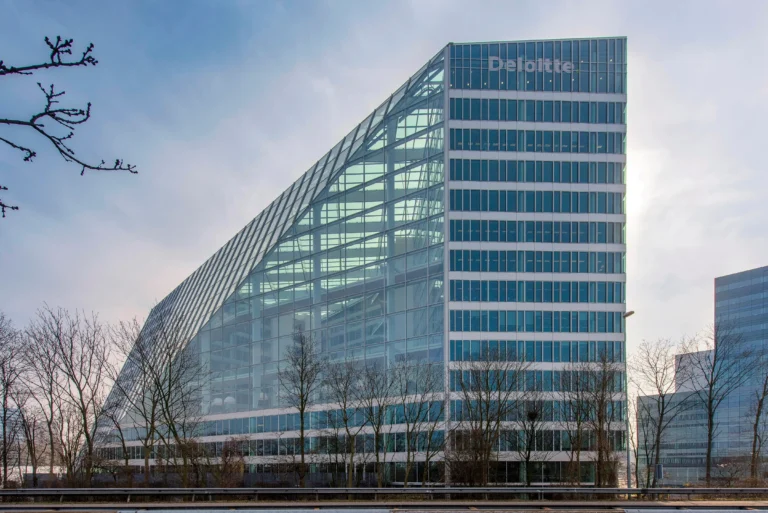
The Edge in Amsterdam is considered one of the greenest office buildings in the world. It features advanced energy management systems, solar panels, and rainwater collection. Smart technologies within the building ensure minimal energy consumption while providing employees with a healthier and more productive workspace. This example underlines that sustainable development extends beyond housing to include commercial spaces.
Benefits of Sustainable Real Estate Development
Sustainable real estate development offers numerous advantages for both residents and the planet. One of the most significant benefits is long-term cost savings. Although initial construction may be more expensive, energy-efficient technologies and renewable systems drastically reduce operating expenses over time.
Health and well-being also improve with sustainable developments. Eco-friendly buildings reduce exposure to harmful chemicals, improve indoor air quality, and provide natural lighting. These factors contribute to improved mental and physical health for occupants. From a broader perspective, sustainable real estate projects reduce greenhouse gas emissions and help combat climate change, ensuring that communities can thrive for generations.
Use Cases of Sustainable Real Estate Development
Sustainable real estate is not limited to luxury projects; it addresses real-world challenges across different settings. For instance, affordable housing developments that integrate solar energy can significantly lower electricity costs for low-income families, making homes more accessible and livable.
In commercial real estate, sustainable practices help businesses cut costs while enhancing their corporate image. Companies that occupy green buildings often see improved employee satisfaction and productivity, creating long-term economic benefits. On a larger scale, cities that adopt sustainable planning can reduce traffic congestion, improve air quality, and create more resilient infrastructures capable of withstanding climate change.
The Future of Sustainable Real Estate Development
The demand for sustainable real estate development continues to grow as awareness of climate change and resource depletion increases. Governments are introducing stricter environmental regulations, and investors are favoring eco-friendly projects due to their long-term profitability and resilience.
Emerging trends such as net-zero buildings, circular construction (where materials are reused and recycled), and biophilic design (integrating natural elements) are set to shape the future of real estate. As technology continues to evolve, sustainable developments will become more affordable and scalable, making them the standard rather than the exception.
Frequently Asked Questions
Q1. What is sustainable real estate development?
Sustainable real estate development is the practice of designing and constructing buildings that minimize environmental impact, conserve resources, and improve quality of life. It focuses on energy efficiency, renewable energy, and eco-friendly materials.
Q2. Why is sustainable real estate important?
It is important because buildings account for a large share of global energy consumption and emissions. Sustainable development helps reduce environmental damage, lowers operating costs, and creates healthier living and working spaces.
Q3. What are examples of sustainable real estate projects?
Notable examples include Bosco Verticale in Milan, BedZED in London, Masdar City in the UAE, and The Edge in Amsterdam. These projects showcase the integration of renewable energy, eco-friendly design, and smart technologies in real estate.