Sustainable Housing Projects Building Greener Communities for the Future
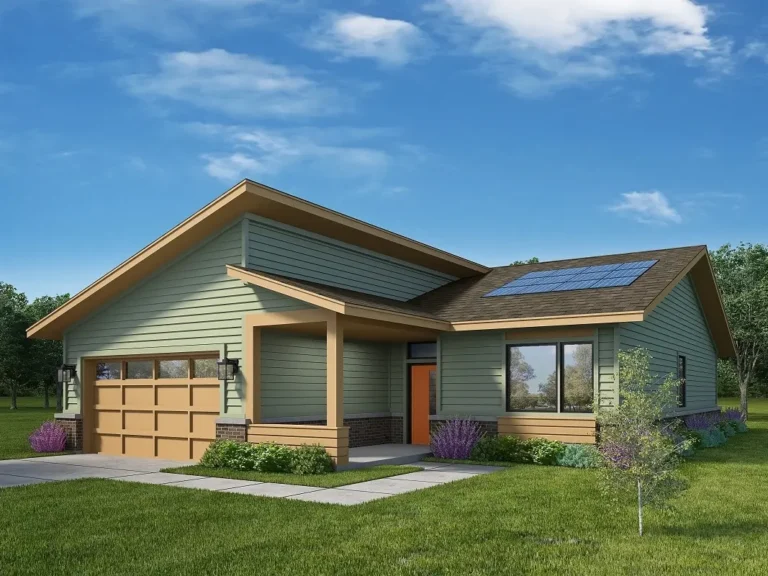
Sustainable housing projects are revolutionizing the way communities are built, lived in, and maintained. Unlike conventional developments, these projects prioritize eco-friendly materials, renewable energy, energy-efficient technologies, and environmentally conscious urban planning. The goal is to create homes and communities that minimize ecological footprints while improving quality of life.
With the real estate and construction industries responsible for a large portion of global carbon emissions, sustainable housing projects are emerging as vital solutions to climate change. These projects represent a shift from short-term construction goals to long-term resilience, affordability, and environmental responsibility.
Why Sustainable Housing Projects Matter
The housing sector contributes significantly to energy consumption, waste generation, and natural resource depletion. Without intervention, rapid urban growth could worsen environmental challenges. Sustainable housing projects aim to reduce these impacts by integrating environmentally friendly practices throughout the construction and operation phases.
Beyond environmental benefits, sustainable housing also addresses social and economic concerns. By promoting affordable housing solutions, reducing energy costs for residents, and creating healthier living environments, these projects contribute to long-term community well-being. This holistic approach ensures sustainability extends beyond just buildings-it becomes part of everyday life.
The Role of Technology in Sustainable Housing
Technology is at the heart of modern sustainable housing projects. Smart building systems allow real-time monitoring of energy, water, and waste, ensuring efficiency across entire developments.
For example, smart meters and IoT-enabled sensors optimize water and energy usage, while smart HVAC systems reduce unnecessary heating and cooling. Renewable technologies like solar panels, battery storage, and geothermal systems provide clean energy alternatives.
Additionally, digital platforms support predictive maintenance, ensuring buildings operate efficiently over time. This integration of technology ensures that sustainable housing projects are not only eco-conscious but also adaptable and future-proof.
Real-World Examples of Sustainable Housing Projects
1. BedZED (Beddington Zero Energy Development), London
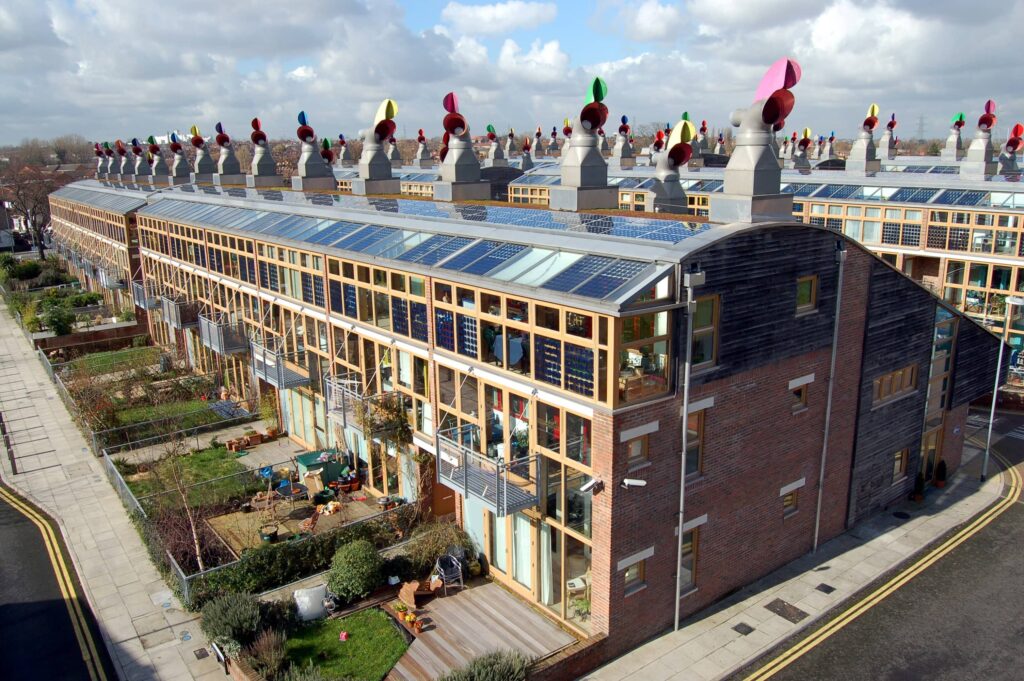
BedZED is one of the most well-known sustainable housing projects in the UK. Designed to reduce ecological impact, it features renewable energy systems, water recycling, and natural ventilation. The community includes shared green spaces and encourages walking and cycling over car use.
Residents benefit from lower utility bills, reduced carbon footprints, and access to healthier living environments. BedZED demonstrates how sustainable design can blend functionality with environmental responsibility.
2. Vauban District, Freiburg, Germany
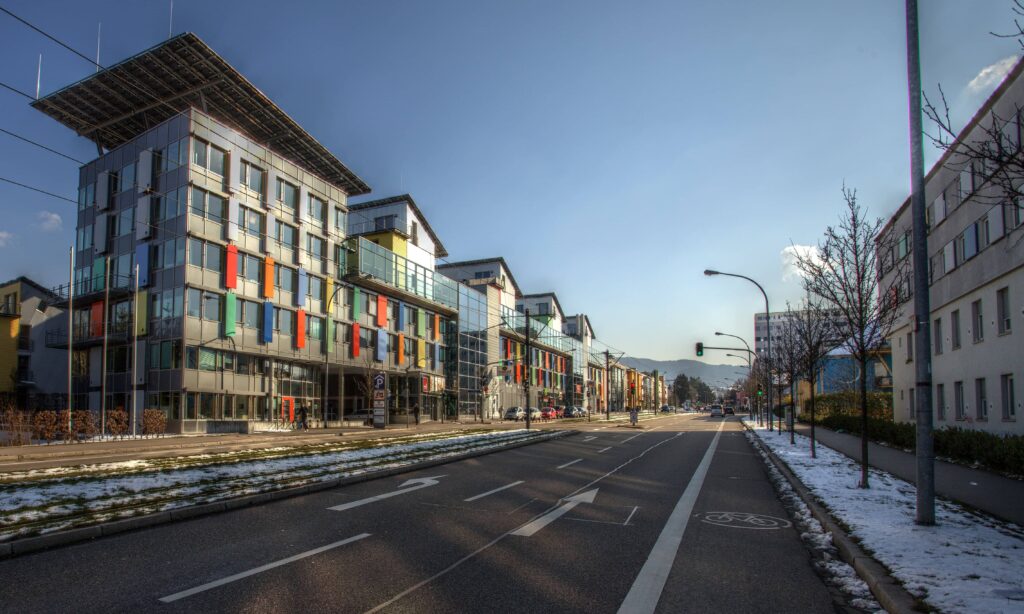
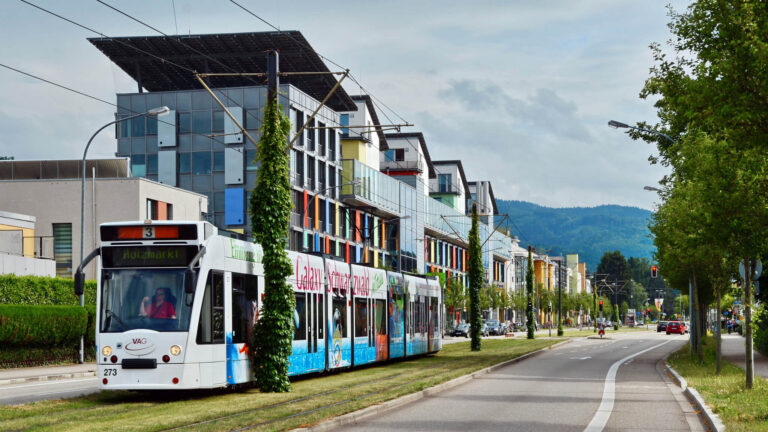
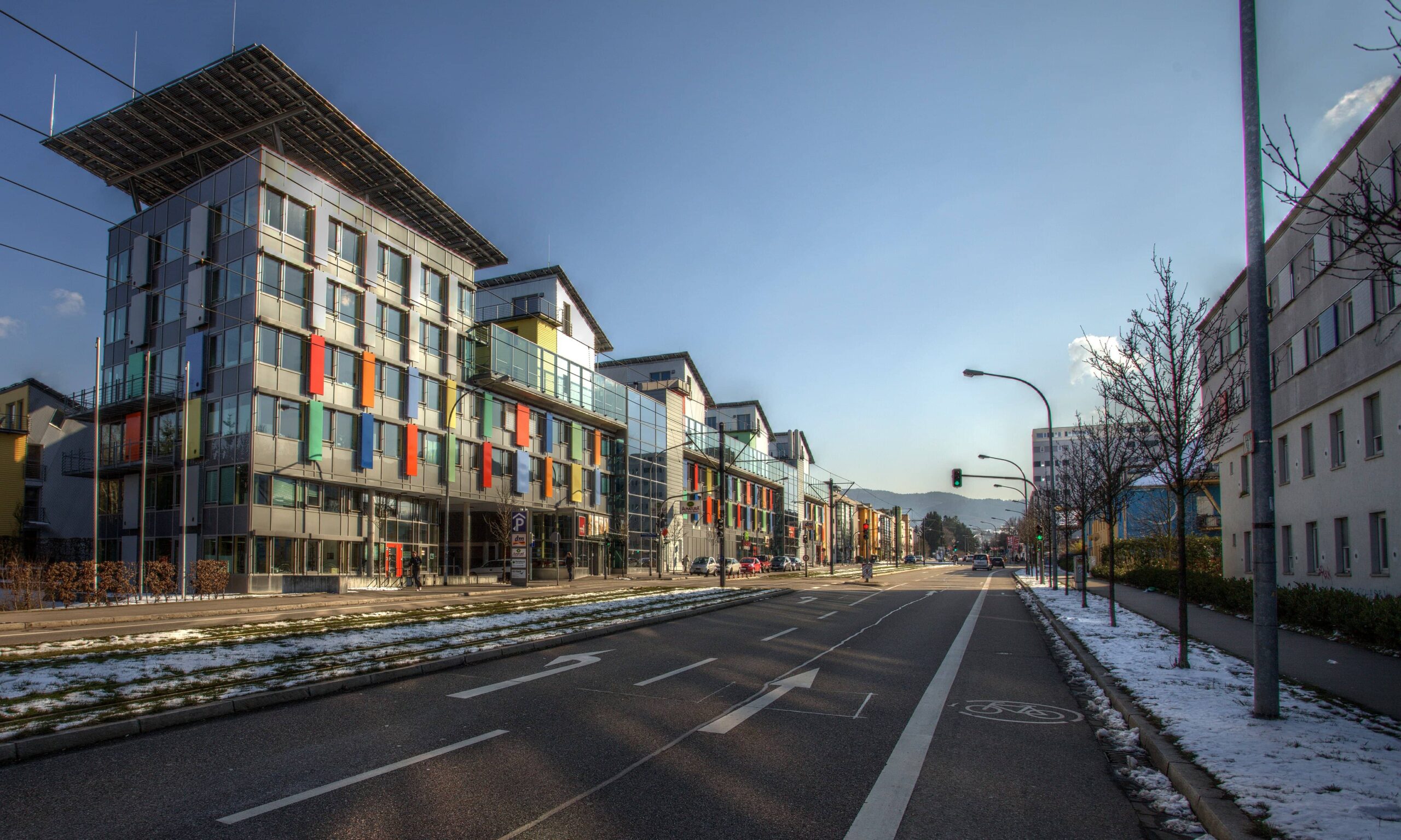
The Vauban District in Freiburg is a pioneering example of sustainable urban living. Built on former military land, the community emphasizes energy-efficient homes, renewable energy, and sustainable transportation. Cars are largely restricted, with residents relying on bicycles and public transit.
This project highlights the social dimension of sustainability, creating a vibrant community where eco-conscious living is the norm. Vauban showcases how urban planning can prioritize people and the environment simultaneously.
3. Masdar City, Abu Dhabi
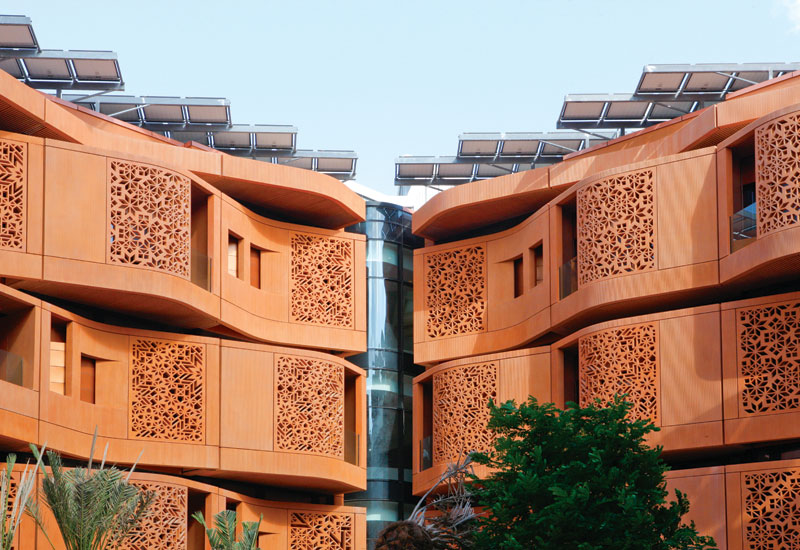
Masdar City is a groundbreaking project in the Middle East, aiming to be one of the most sustainable urban developments in the world. The city integrates renewable energy, sustainable architecture, and advanced cooling systems adapted to desert climates.
By incorporating solar power, wind energy, and cutting-edge smart technologies, Masdar City demonstrates how sustainability can thrive even in challenging environments. It serves as a model for future cities facing extreme climates.
4. One Planet Communities (Worldwide)
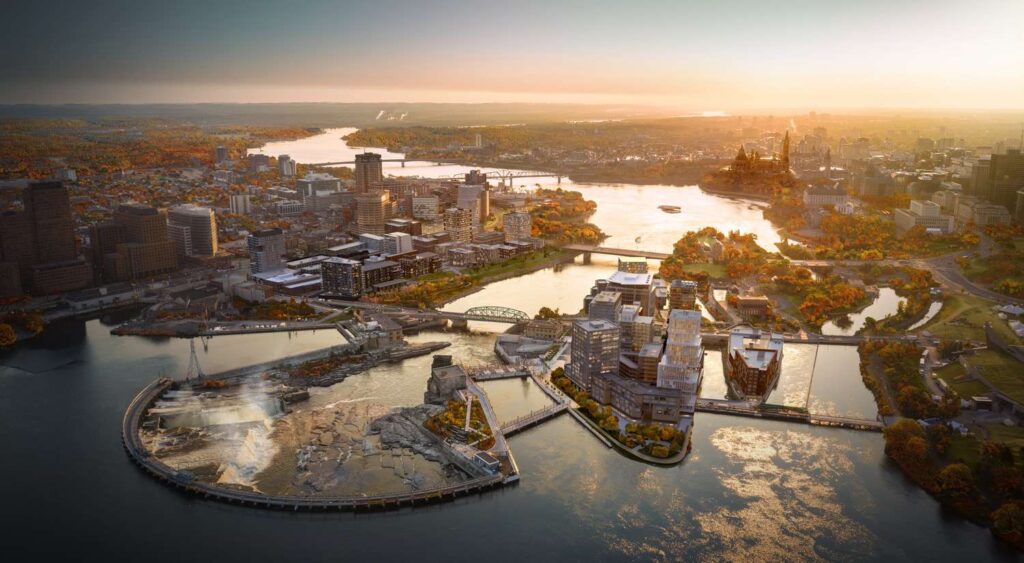
One Planet Communities is a global initiative focused on creating sustainable housing that aligns with the concept of living within the planet’s ecological limits. These projects use renewable resources, promote biodiversity, and prioritize community well-being.
They emphasize local food production, shared green spaces, and carbon-neutral designs, offering a blueprint for communities around the world to reduce their ecological impact.
Benefits of Sustainable Housing Projects
Sustainable housing projects bring multiple advantages for both residents and the planet:
-
Environmental Benefits: Reduced carbon emissions, conservation of resources, and protection of biodiversity.
-
Economic Benefits: Lower energy and water costs, higher property values, and long-term financial savings.
-
Health Benefits: Improved air quality, access to natural light, and reduced exposure to toxic building materials.
-
Social Benefits: Creation of resilient communities, promotion of sustainable lifestyles, and improved quality of life.
These benefits highlight why sustainable housing is increasingly viewed as essential, not optional, in modern urban development.
Use Cases of Sustainable Housing Projects
Addressing Climate Change
Sustainable housing projects significantly reduce carbon footprints, helping cities and nations meet climate commitments. They also mitigate the effects of extreme weather by incorporating resilient designs.
Providing Affordable Housing Solutions
By lowering utility and maintenance costs, sustainable housing makes living more affordable over time. Energy-efficient designs ensure residents spend less on monthly expenses.
Promoting Healthier Living
Eco-friendly designs improve indoor air quality and provide access to green spaces, fostering both physical and mental well-being. These features make communities healthier and more livable.
Frequently Asked Questions
Q1. What are sustainable housing projects?
Sustainable housing projects are residential developments designed with eco-friendly principles, focusing on reducing environmental impact, conserving resources, and improving community well-being through energy efficiency and renewable energy use.
Q2. How do sustainable housing projects benefit residents?
Residents enjoy lower utility bills, healthier living environments, and stronger communities. These projects also increase property value and promote long-term affordability.
Q3. Can sustainable housing work in all climates?
Yes. With the right technologies, such as solar in sunny regions, geothermal in colder areas, and water-saving systems in dry climates, they can be adapted to diverse environments worldwide.