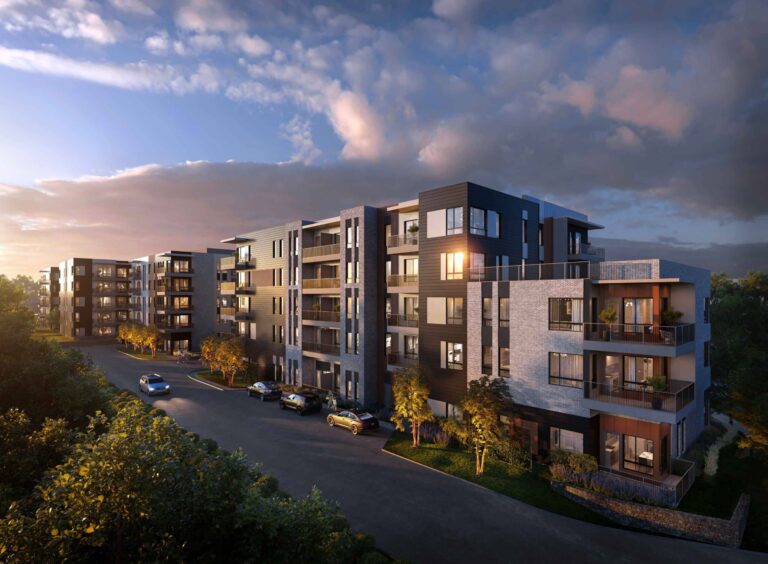
Student Housing Guide 2025 Everything You Need to Know About Modern Accommodation for Students
Student housing has become a critical part of the academic journey, shaping how students live, study, and grow during their time in college or university. It goes beyond simply providing a place to stay; it offers a structured environment where learning, community building, and personal development intersect. With the rise of modern technology and evolving lifestyles, student housing has transformed into a highly specialized sector, addressing not only accommodation but also health, safety, and digital convenience.
In this guide, we will explore the concept of student housing in detail, highlight its benefits, present real-world examples, and discuss practical use cases. This article aims to provide valuable insights for students, parents, and institutions alike.
Understanding Student Housing
Student housing refers to residential spaces specifically designed for individuals enrolled in academic institutions. Unlike general rental housing, these accommodations focus on the unique needs of students, such as affordability, proximity to campuses, study-friendly environments, and social interaction.
Modern student housing is no longer limited to traditional dormitories. Today, it spans across on-campus residence halls, purpose-built student accommodations (PBSA), and privately rented apartments managed by student housing providers. These developments emphasize comfort, convenience, and amenities that foster both academic performance and overall well-being.
Types of Student Housing
On-Campus Housing
On-campus housing is often the first choice for many students, particularly freshmen. It provides easy access to classes, libraries, and extracurricular activities. Living in dormitories also fosters a strong sense of community and encourages interaction among peers.
Beyond convenience, on-campus housing also provides structured living conditions. Students benefit from university-managed security, meal plans, and facilities tailored for academic life. This makes it an excellent option for younger students who are adjusting to independent living.
Off-Campus Housing
Off-campus student housing offers more independence and privacy. These options may include shared apartments, houses, or studios located near campuses. Students who prefer flexible living arrangements or wish to experience local communities often choose off-campus accommodations.
Although it requires greater responsibility, off-campus housing provides opportunities for students to manage their own household, build life skills, and enjoy greater freedom. It also appeals to graduate students and those who need quiet spaces for research.
Purpose-Built Student Accommodation (PBSA)
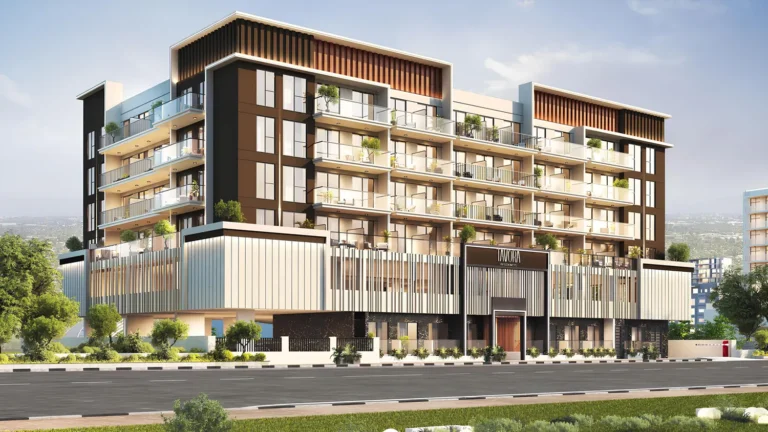
PBSA has gained global popularity in recent years. These are modern, professionally managed properties designed specifically for students. PBSA combines the benefits of on-campus convenience with the freedom of off-campus living.
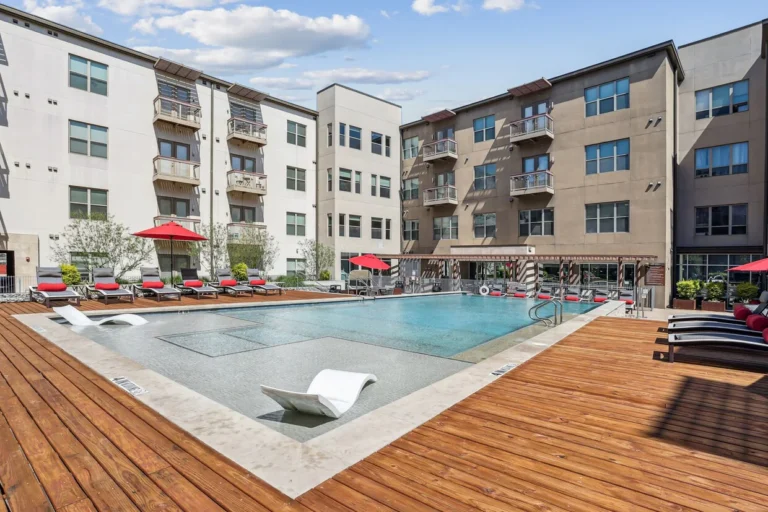
Features often include furnished rooms, communal study areas, gyms, laundry facilities, high-speed internet, and 24/7 security. By offering a balance of independence and support, PBSA has become a preferred choice for international students and those seeking a high-quality living environment.
Benefits of Student Housing
Living in student housing comes with multiple advantages that extend beyond having a roof over one’s head.
Academic Support and Productivity
Student housing is designed to facilitate study routines. Proximity to campus, access to study lounges, and reduced commute times give students more opportunities to focus on academics. Additionally, a supportive community encourages collaboration, group study, and resource sharing.
Safety and Security
Safety is one of the top priorities for student housing providers. Gated access, CCTV, on-site security personnel, and secure entry systems create a safer environment compared to unregulated rentals. This peace of mind is crucial for students and parents alike.
Community Building and Social Life
Student housing helps students avoid isolation by creating opportunities to connect with peers. Social events, shared kitchens, and communal spaces encourage networking, friendships, and cultural exchange, especially among international students.
Convenience Through Technology
Modern student housing integrates technology to simplify daily life. Smart locks, digital payments, high-speed Wi-Fi, and mobile apps for maintenance requests are increasingly common. These innovations streamline the living experience and help students focus more on their academic goals.
Real-World Examples of Student Housing
1. Co-Living Student Apartments
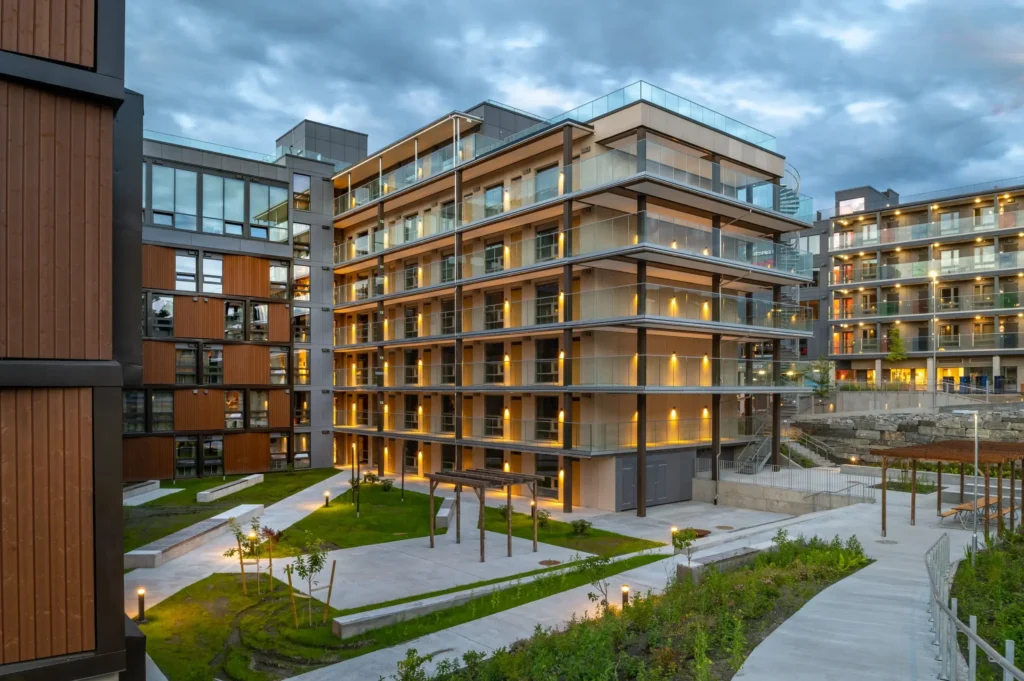
Co-living apartments are becoming a popular trend in urban student housing. These spaces combine private bedrooms with shared living areas and kitchens. Co-living creates a balance between privacy and community.
For example, companies like Common and The Collective have expanded into student-focused co-living residences. They offer flexible leases, fully furnished units, and inclusive utility packages. Students benefit from modern design, high-speed internet, and collaborative spaces, making them feel at home while still being part of a community.
2. Student Housing by Greystar
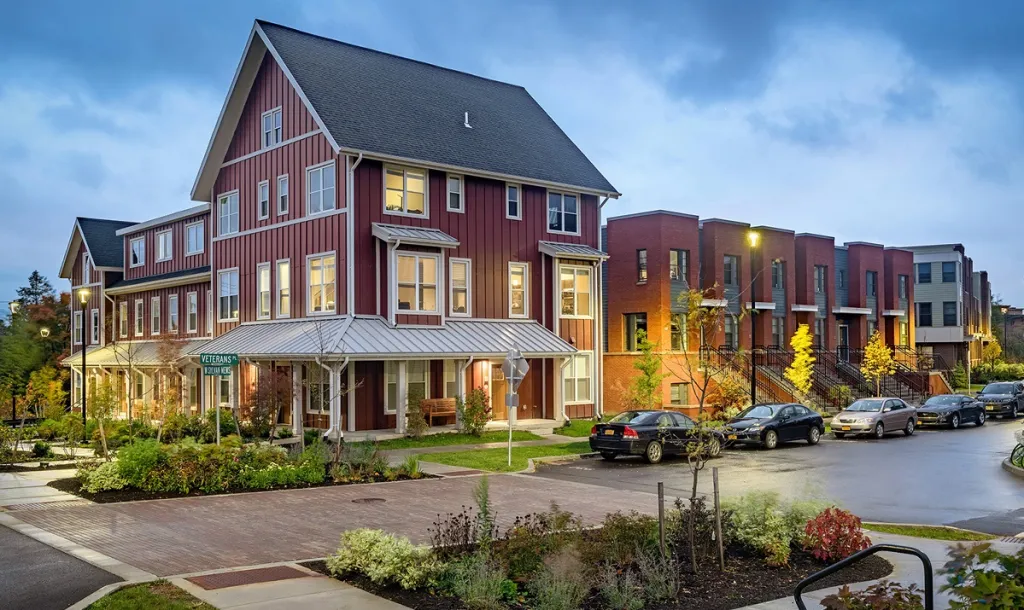
Greystar, a global leader in rental housing, has dedicated student housing projects designed with the student lifestyle in mind. Their properties include fully furnished rooms, fitness centers, study lounges, and digital tools for managing rent and services.
This model showcases how professional property management elevates the student living experience, offering reliability, convenience, and peace of mind for both domestic and international students.
3. On-Campus Student Residences
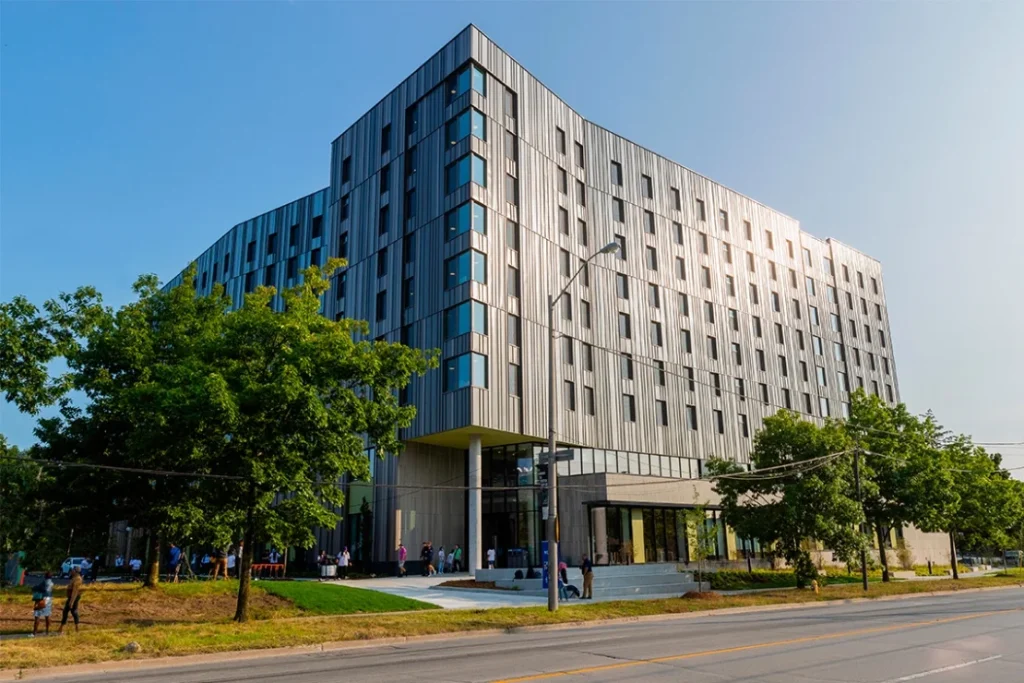
Many universities have upgraded their on-campus housing to reflect modern needs. For example, new residence halls at institutions like Arizona State University and University College London provide amenities such as smart study lounges, tech-enabled classrooms, and wellness spaces.
These upgrades ensure that students are not only housed but also supported holistically, combining academic, social, and health-focused services in one environment.
4. Purpose-Built Student Housing by Unite Students
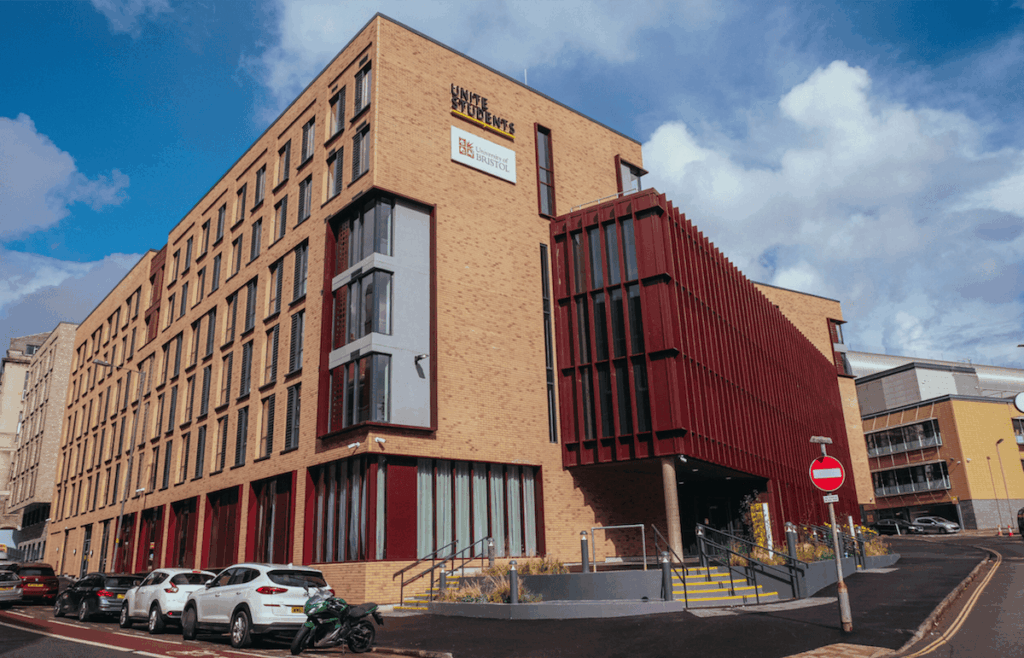
Unite Students in the UK provides some of the most advanced PBSA models. Their properties are equipped with high-speed internet, 24/7 security, and wellness-focused community programs. They also prioritize sustainability with energy-efficient designs, waste reduction strategies, and green living features.
This example demonstrates how PBSA can cater to modern expectations while addressing global concerns like environmental responsibility.
Use Cases of Student Housing
Solving Affordability Challenges
Student housing addresses financial challenges by offering structured payment models. Instead of unpredictable rental costs, students benefit from inclusive packages covering utilities, internet, and maintenance. This makes budgeting easier and reduces financial stress.
Supporting International Students
International students often face difficulties finding secure and reliable housing in unfamiliar cities. Purpose-built accommodations and on-campus residences provide a safe landing place where they can settle quickly. This reduces stress during a critical transition period.
Enhancing Mental Health and Well-being
Living in isolated or unsafe housing can negatively affect mental health. Student housing mitigates this risk by providing supportive communities, wellness programs, and recreational activities. These initiatives help students maintain a balanced lifestyle while managing academic demands.
Encouraging Academic Collaboration
Shared study spaces, group projects, and peer-to-peer learning opportunities are fostered within environments. By living in proximity, students can collaborate more easily, leading to improved academic outcomes.
Frequently Asked Questions
Q1. What is the difference between on-campus housing and purpose-built student accommodation?
On-campus housing is managed directly by the university and is typically located within the institution’s grounds. PBSA, on the other hand, is built and managed by private companies but designed specifically for students. PBSA often provides more amenities and flexibility, while on-campus housing ensures immediate access to academic facilities.
Q2. Is student housing only for first-year students?
No. While first-year students often prefer on-campus housing for convenience, many upperclassmen, graduate students, and international students also choose off-campus housing. PBSA and off-campus apartments are especially popular among those seeking independence and advanced amenities.
Q3. How does technology improve student housing experiences?
Technology enhances safety, convenience, and efficiency. Examples include smart access systems, mobile apps for maintenance requests, online rent payments, and high-speed Wi-Fi. These innovations create a seamless living environment, allowing students to focus more on their studies.