Passive House Builders Designing Ultra-Efficient and Sustainable Homes
Passive house builders are transforming the future of residential and commercial construction with innovative designs that maximize energy efficiency while ensuring comfort and sustainability. As energy costs rise and climate concerns grow, passive house construction has emerged as a leading solution for environmentally responsible living. This article explores the role of passive house builders, the principles behind their designs, the benefits of technology in passive construction, and real-world examples showcasing their effectiveness.
What Are Passive House Builders?
Passive house builders are specialized construction companies and professionals who design and build homes following the Passive House Standard. This internationally recognized building performance standard was developed in Germany in the early 1990s and focuses on drastically reducing a building’s energy consumption through advanced insulation, airtight design, and heat recovery systems.
Unlike conventional builders, passive house builders prioritize building envelopes that minimize energy losses, optimize indoor air quality, and reduce the need for traditional heating or cooling systems. The result is a home that uses up to 90% less energy for heating and cooling compared to typical structures, while maintaining a consistent, comfortable indoor environment year-round.
Core Principles of Passive House Construction
Passive house builders adhere to five essential design principles that guide every project:
-
Superior Insulation – High-performance insulation keeps indoor temperatures stable regardless of outdoor climate.
-
Airtight Construction – Sealed building envelopes prevent air leaks, reducing energy waste.
-
High-Performance Windows and Doors – Triple-glazed windows and insulated frames maximize thermal performance.
-
Heat Recovery Ventilation (HRV) – Mechanical ventilation systems recycle heat from outgoing air to pre-warm incoming fresh air.
-
Thermal Bridge-Free Design – Builders eliminate weak points where heat can escape or cold can enter.
Together, these elements allow passive house builders to create homes that require little to no conventional heating or cooling, while ensuring optimal comfort and sustainability.
Benefits of Passive House Builders
Energy Efficiency and Cost Savings
One of the greatest benefits of passive house construction is dramatically reduced energy consumption. Because these homes are designed to maintain stable indoor temperatures naturally, homeowners spend far less on heating and cooling bills. Over the lifespan of the home, this translates to significant financial savings.
Health and Comfort Improvements
Passive house builders emphasize indoor air quality. With mechanical ventilation systems, occupants enjoy constant access to filtered fresh air, reducing allergens, pollutants, and moisture. The airtight envelope also ensures consistent indoor temperatures without drafts or cold spots, creating a healthier and more comfortable living environment.
Environmental Impact Reduction
By minimizing reliance on fossil fuels and lowering carbon emissions, passive houses are a critical step toward sustainable development. Builders who specialize in this approach help communities reduce their overall ecological footprint while setting standards for eco-conscious living.
Long-Term Durability
Passive house builders use advanced construction techniques and durable materials. Airtight seals, insulation systems, and efficient windows reduce wear and tear on mechanical systems, extending the home’s lifespan and reducing maintenance needs.
Real-World Examples of Passive House Builders
1. Hammer & Hand (USA)
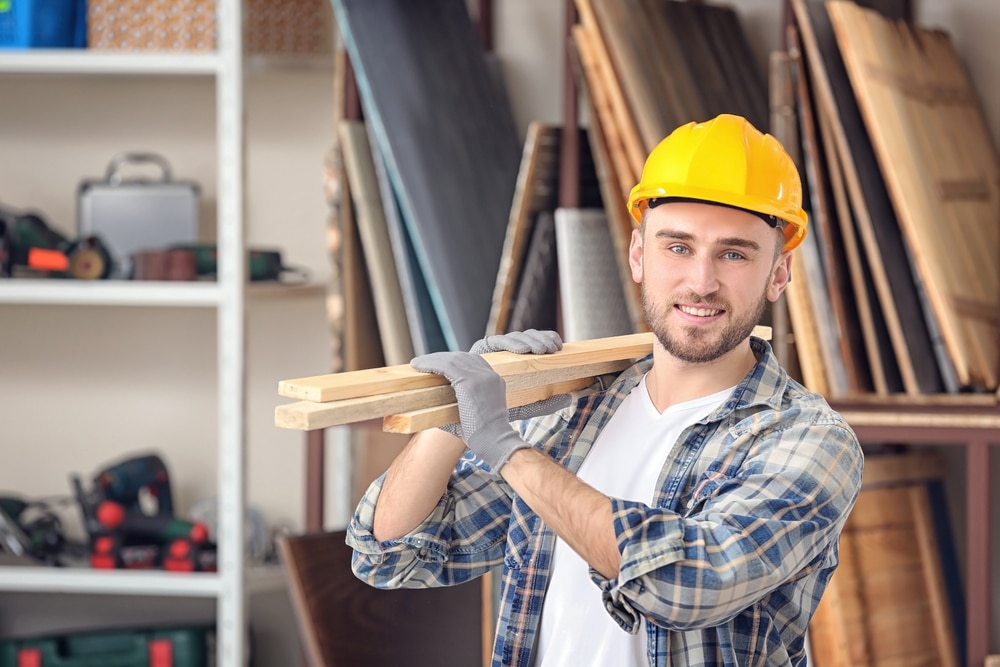
Hammer & Hand is a leading U.S.-based builder specializing in passive house projects. Their work includes custom-designed homes in Oregon and Washington that meet the highest efficiency standards. One of their projects, the Karuna House in Oregon, not only achieved Passive House certification but also LEED Platinum and Minergie-P, making it one of the greenest homes in North America.
The project demonstrates how passive house builders can integrate modern design with advanced building science to achieve world-class sustainability. By combining airtight construction with renewable energy systems, Hammer & Hand created a blueprint for future sustainable housing.
2. Ecocor (USA)
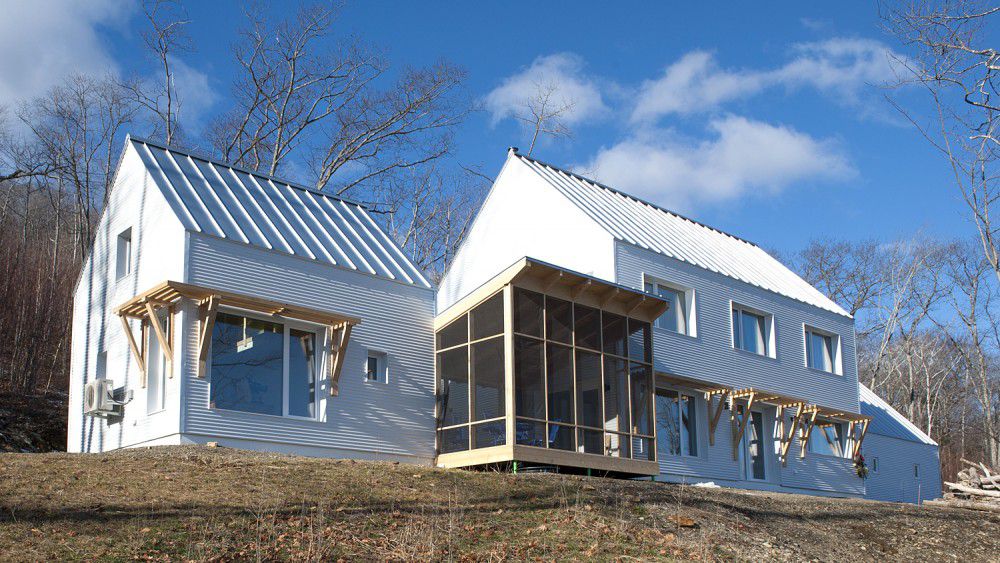
Ecocor focuses on prefabricated passive house construction. Their innovative approach involves building highly insulated, airtight panels in a factory setting, which are then assembled on-site. This reduces construction waste, ensures consistent quality, and speeds up project timelines.
One standout project by Ecocor is their collaboration with architects on custom passive homes in New England. These houses combine modern aesthetics with ultra-low energy use, proving that passive design can be both stylish and practical. Their use of factory precision demonstrates how passive house builders are evolving construction methods for greater sustainability.
3. Bautechnik Holliger AG (Switzerland)
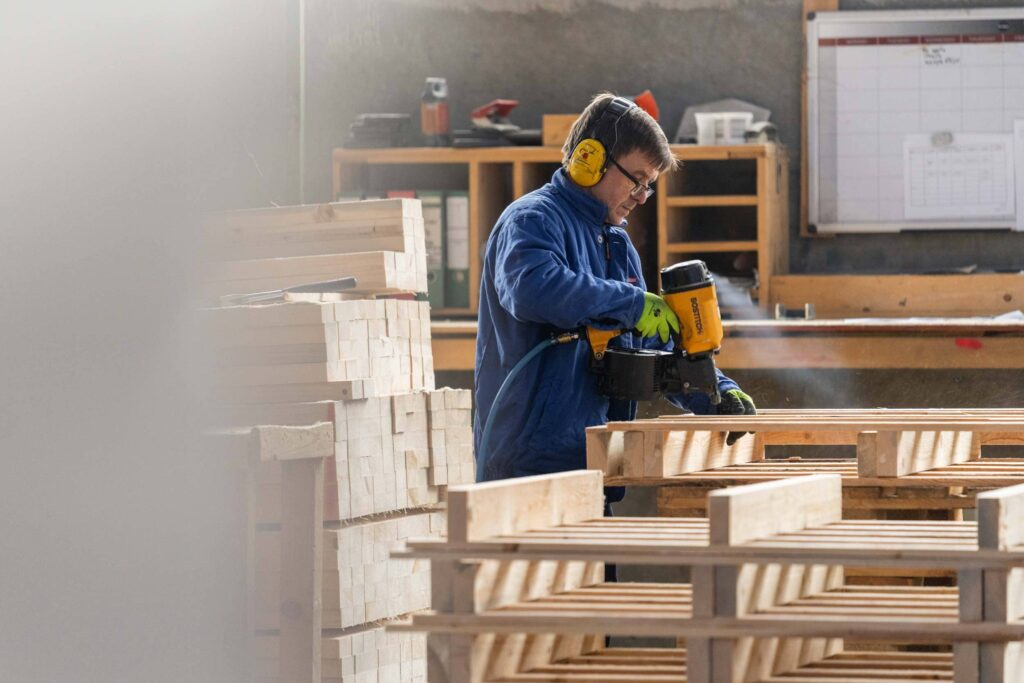
In Europe, Bautechnik Holliger AG has become a pioneer in passive house building. Their projects include residential and commercial spaces that meet stringent European energy standards. In Switzerland’s cold climate, their airtight designs and triple-glazed windows ensure efficiency without compromising comfort.
One of their housing projects showcased how passive houses can thrive even in alpine environments where winters are severe. This demonstrates the adaptability of passive design across different regions, reinforcing the importance of builders trained in these advanced methods.
4. Siga (Germany)
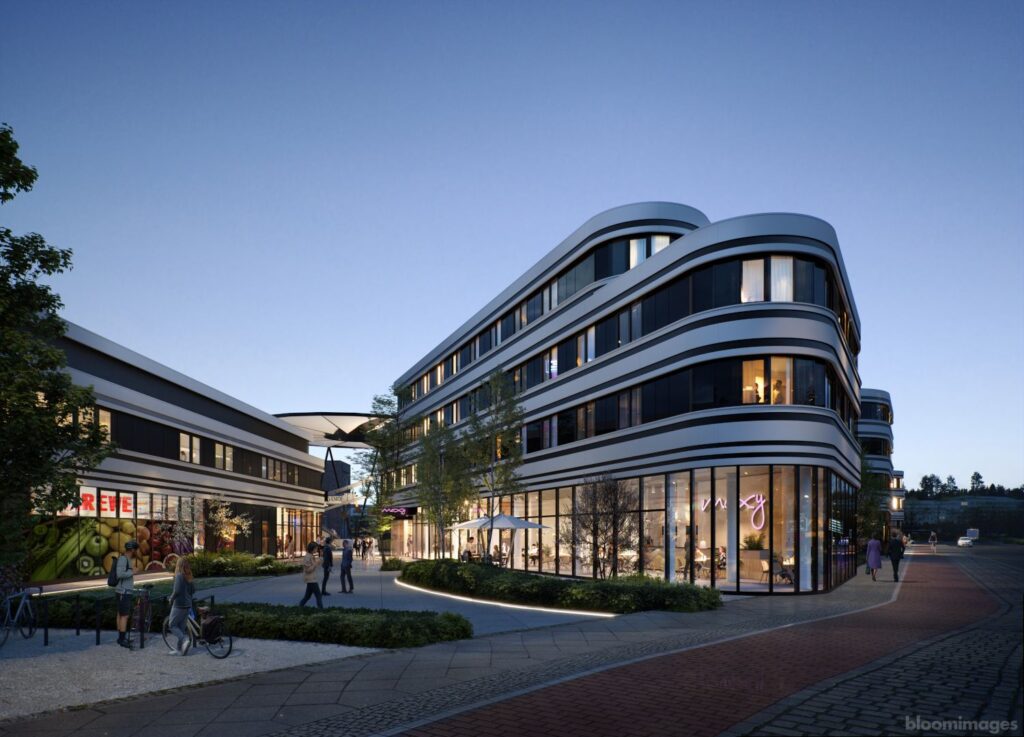
While Siga is primarily known as a materials innovator, their collaborations with passive house builders worldwide have helped redefine airtight construction. They provide membranes, adhesives, and sealing solutions essential for passive buildings.
Builders partnering with Siga use these materials to eliminate thermal bridges and achieve airtight envelopes, ensuring homes meet certification standards. Their influence extends globally, supporting passive house builders with cutting-edge materials to guarantee long-term performance.
The Role of Technology in Passive House Construction
Technology plays a critical role in enabling passive house builders to achieve such high standards of efficiency.
-
Building Information Modeling (BIM): Builders use BIM software to design every detail of a passive house, ensuring airtightness, insulation, and ventilation systems work seamlessly together.
-
Heat Recovery Ventilation (HRV) Systems: These advanced units recycle warmth from exhaust air while supplying fresh air, reducing heating needs dramatically.
-
Triple-Glazed Windows: Engineered with multiple layers of glass and insulated frames, they prevent heat loss and improve comfort.
-
Smart Energy Monitoring: Passive house builders increasingly integrate sensors and smart controls that track energy usage and optimize performance.
-
Prefabrication Technology: Factory-built panels ensure precision and reduce errors that could compromise airtightness or insulation.
These technologies not only make passive houses more effective but also push construction forward as a high-tech, sustainable industry.
Practical Use Cases of Passive House Builders
Urban Housing Developments
In cities where energy use is high, passive house builders deliver residential buildings that significantly cut energy demand. For example, multi-family passive house apartments reduce operational costs for tenants while providing superior comfort.
Educational Institutions
Schools designed with passive principles benefit from healthy indoor air and stable temperatures, which improve student performance and reduce absenteeism. Builders are increasingly applying these methods to classrooms and university campuses.
Healthcare Facilities
Hospitals and clinics benefit greatly from passive design. Builders can create facilities with high air quality and reduced energy costs, ensuring safer environments for patients while lowering operating expenses for healthcare providers.
Single-Family Homes
For families, passive house builders provide energy-efficient homes that remain comfortable throughout the year. These houses also future-proof households against rising energy prices, offering financial stability over time.
Challenges Faced by Passive House Builders
Passive house builders encounter several challenges in expanding their reach. The upfront cost of construction remains higher than traditional methods, primarily due to specialized materials and advanced systems. However, long-term savings often offset this investment.
Additionally, public awareness of passive house benefits remains limited. Many homeowners and developers are unfamiliar with the concept, making education a critical task for builders. Local building codes and regulations can also pose challenges, as not all jurisdictions are updated to accommodate advanced passive standards.
The Future of Passive House Builders
As the demand for sustainable housing grows, passive house builders are expected to play a leading role in shaping the future of construction. Advances in prefabrication, smart technologies, and renewable integration will make passive homes more accessible and cost-effective.
Governments worldwide are also implementing stricter building codes and offering incentives for energy-efficient construction, creating opportunities for passive house builders to expand their impact. With their ability to deliver homes that combine comfort, affordability, and sustainability, passive builders are at the forefront of the green building revolution.
Frequently Asked Questions
Q1. What makes passive house builders different from regular builders?
Passive house builders specialize in meeting the rigorous Passive House Standard, focusing on airtight construction, insulation, and energy recovery systems that drastically reduce energy use compared to conventional builders.
Q2. Do passive houses really save money in the long term?
Yes. While the initial cost may be higher, passive houses save significant amounts of money on heating, cooling, and maintenance over their lifetime, often offsetting the upfront investment within a decade.
Q3. Can passive house builders work in all climates?
Absolutely. Passive house principles are adaptable to different climates, from hot deserts to cold alpine regions. Builders adjust insulation, ventilation, and shading techniques to suit local conditions while maintaining efficiency.