Houses with Smart Security Systems Features, Benefits, and Real-World Insights
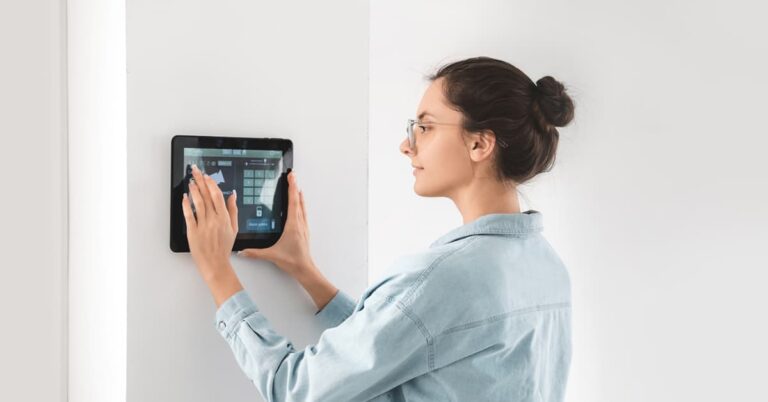
Houses with smart security systems represent the new standard in residential living. Unlike traditional homes, these properties integrate advanced technologies such as smart locks, video surveillance, motion sensors, and alarm systems-all connected to smartphones or central hubs. This integration allows homeowners to monitor and control their property remotely, ensuring better safety, convenience, and peace of mind.
The demand for such houses has grown significantly in recent years. As safety concerns rise and smart home technology becomes more affordable, many buyers actively seek properties equipped with built-in smart security. These homes not only offer an extra layer of protection but also add long-term value in the real estate market.
Why Smart Security Matters in Modern Homes
Smart security isn’t just about locking doors-it’s about creating a networked ecosystem that protects families and properties from potential threats. The biggest advantage lies in the combination of convenience and proactive defense. For example, smart doorbell cameras can alert homeowners to unusual activity before any real break-in attempt happens.
Moreover, houses with smart security systems often integrate with other home automation features. This includes voice-controlled assistants, lighting systems, and energy management tools. Together, they create a seamless environment that improves daily life while maintaining high security standards.
Key Features of Houses with Smart Security Systems
Smart Locks and Keyless Entry
Smart locks are among the most defining features of homes with built-in security systems. They eliminate the need for physical keys and instead use PIN codes, biometric access, or mobile apps for entry. This reduces the risk of lost keys and allows homeowners to grant temporary access to guests or service providers remotely.
Additionally, smart locks often record entry logs, showing exactly who entered the property and when. This creates a detailed activity trail, enhancing both accountability and peace of mind.
Video Doorbells and Outdoor Cameras
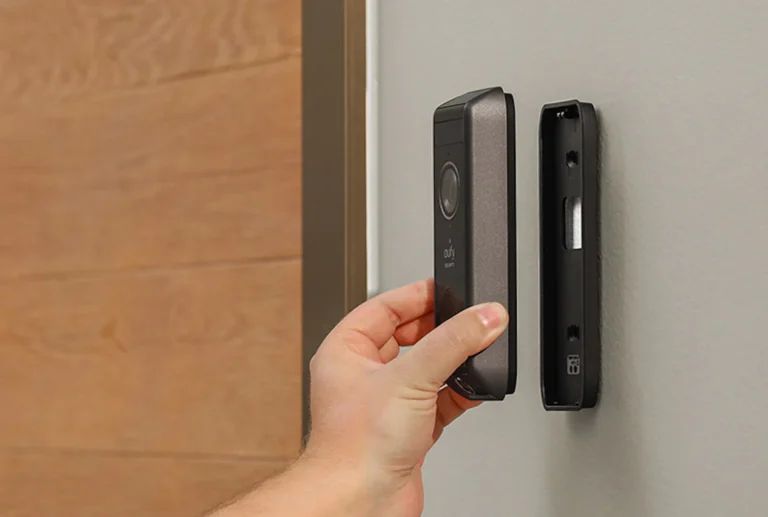
Video doorbells allow homeowners to see and speak with visitors even when they are not home. These devices often include motion detection, two-way audio, and night vision. By connecting directly to mobile devices, they provide instant alerts whenever someone approaches the entrance.
Outdoor smart cameras extend this security by covering driveways, backyards, and perimeters. High-definition video combined with cloud storage ensures that all activity is recorded and accessible at any time.
Real-World Examples of Smart Security Integration
1. Ring Video Doorbell
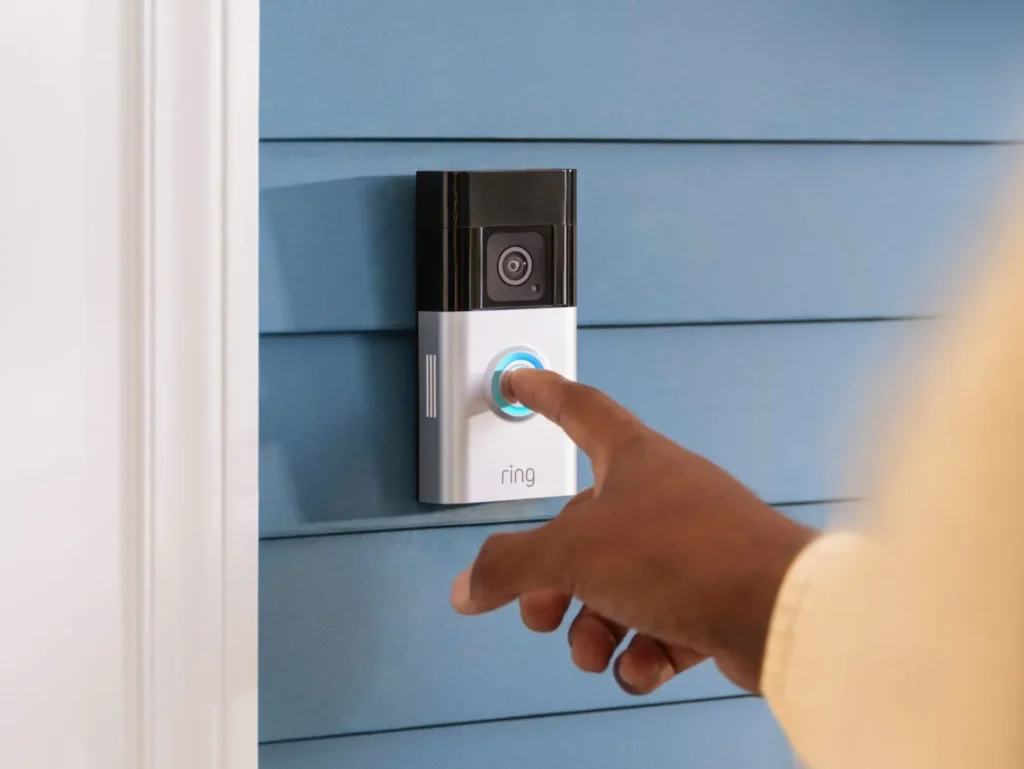
One of the most popular products found in houses with smart security systems is the Ring Video Doorbell. This device provides live video feeds, motion alerts, and the ability to communicate directly with visitors through a smartphone. Its simplicity and effectiveness make it a staple in modern smart homes.
The Ring ecosystem also integrates with other security products, allowing homeowners to build a complete security network around their property. Many houses on the market today already come equipped with this system as part of their smart security package.
2. August Smart Lock
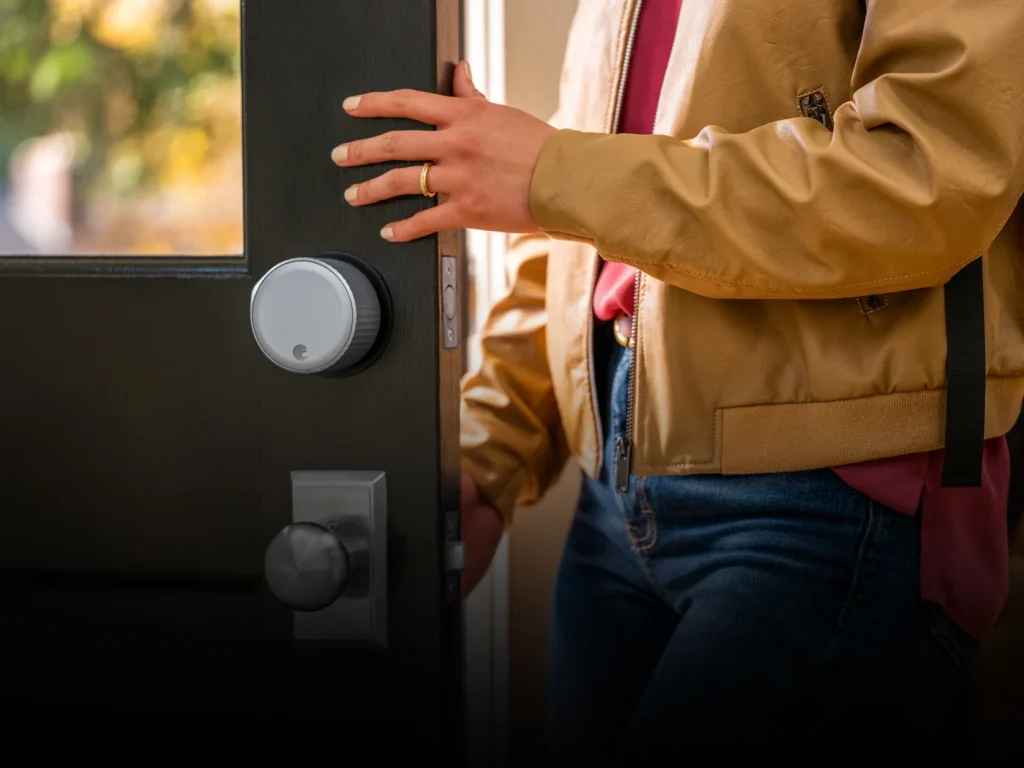
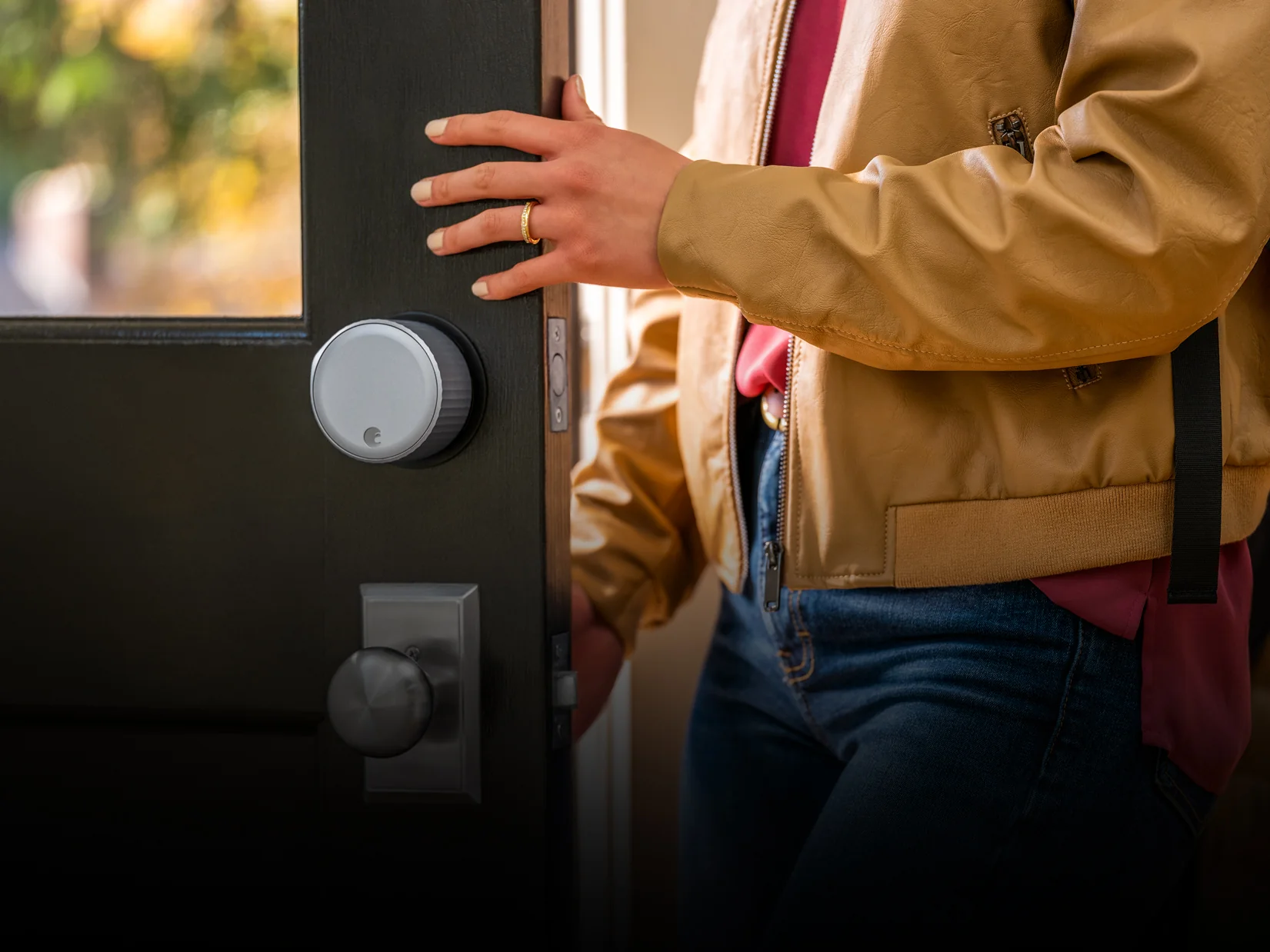
The August Smart Lock is another widely used product in real estate properties that emphasizes home automation. It replaces traditional deadbolts with a keyless system that homeowners can control via Bluetooth or Wi-Fi. With features such as auto-unlock, remote monitoring, and guest access codes, this product ensures both security and convenience.
In houses equipped with this lock, residents never worry about forgetting their keys. It also integrates with platforms like Alexa and Google Assistant, making it part of a larger connected home system.
3. Arlo Pro Security Cameras
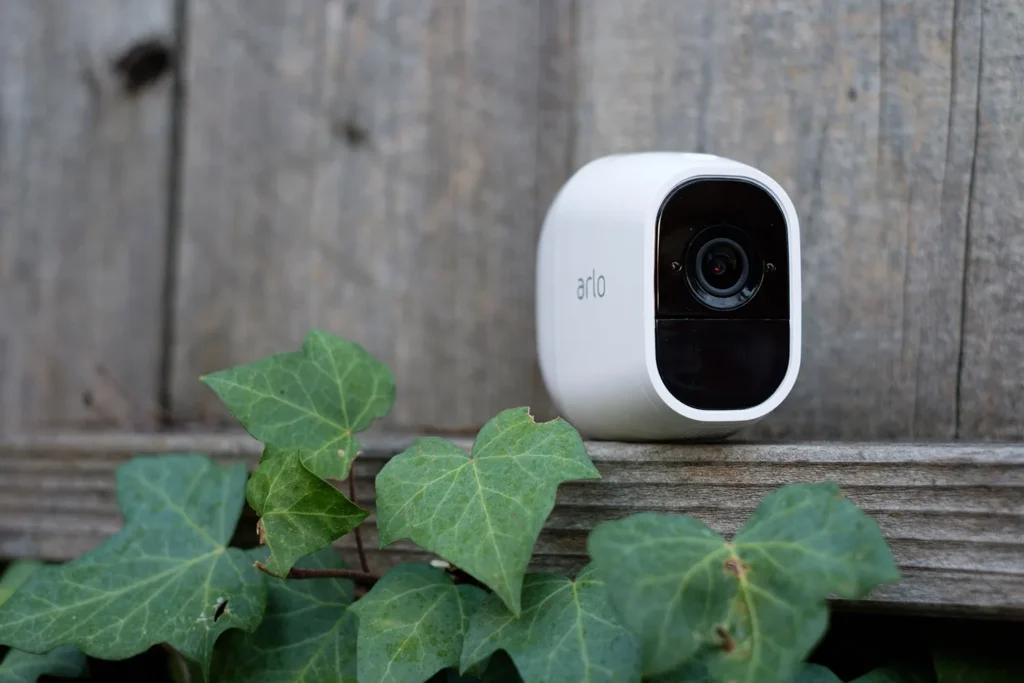
Arlo Pro cameras are often installed in houses that highlight advanced surveillance systems. These wireless cameras provide 2K or 4K resolution, weather resistance, night vision, and AI-powered motion detection. Their ability to distinguish between humans, animals, and vehicles reduces false alerts, ensuring homeowners only receive meaningful notifications.
Arlo systems are highly valued in real estate because they offer scalable protection, meaning additional cameras can be added as the property’s needs grow.
4. Yale Smart Safe
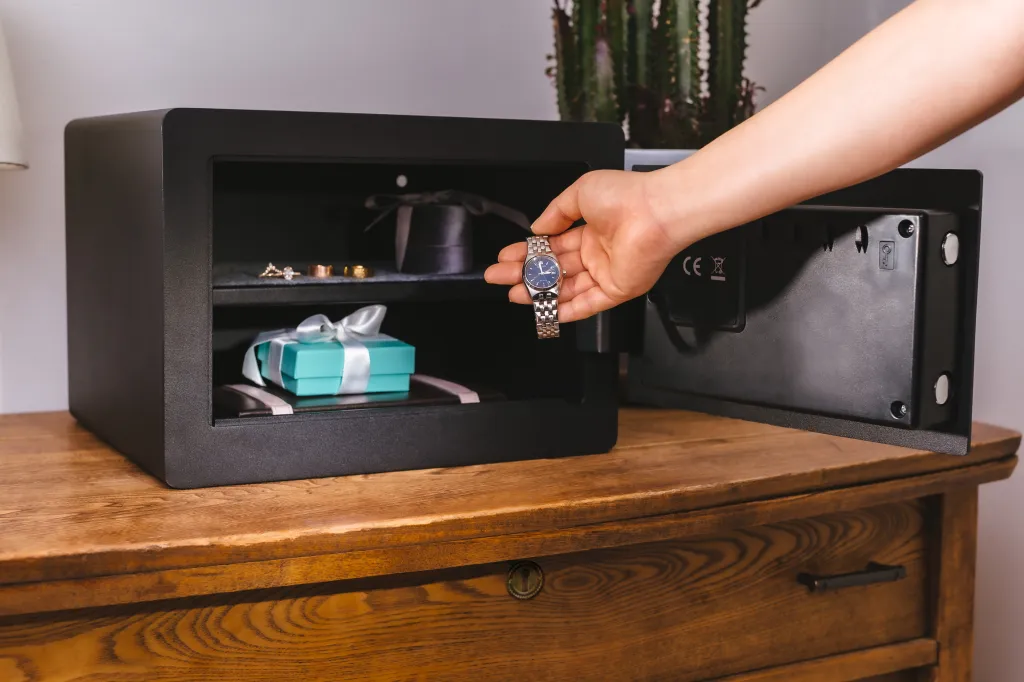
Beyond cameras and locks, houses with smart security often feature secure storage solutions like the Yale Smart Safe. This safe connects to mobile devices and ensures valuables are stored with biometric and digital security layers. It complements the rest of the security system by offering protection inside the home, not just at entry points.
Homes equipped with such safes provide buyers extra confidence, knowing that jewelry, documents, or sensitive items are protected.
Benefits of Houses with Smart Security Systems
Houses equipped with these technologies offer numerous benefits that go beyond traditional alarm systems.
First, enhanced safety is the most obvious advantage. Homeowners gain immediate awareness of potential threats, whether from intruders or suspicious activity. This level of control provides unmatched peace of mind.
Second, convenience and automation improve everyday living. Families can lock doors, check cameras, and control lights with a single app. This centralization reduces effort while maintaining strong layers of security.
Third, increased property value is a major benefit. Buyers actively look for homes that already include smart features. A house with a built-in smart security system is more attractive in competitive real estate markets, leading to higher resale potential.
Practical Use Cases in Real Life
Smart security systems are not just technological add-ons; they solve real-world problems.
For families, these systems provide reassurance when children arrive home from school. Parents can receive alerts when doors unlock and monitor the house remotely. This ensures children are safe even when adults are away.
For frequent travelers, smart security systems make it possible to monitor the property from anywhere in the world. Notifications about unusual activity, combined with recorded video, help prevent break-ins before they escalate.
For elderly residents, voice-controlled locks and cameras offer both convenience and safety. They no longer have to fumble with keys or worry about answering the door without knowing who is outside.
Frequently Asked Questions
Q1. Are houses with smart security systems more expensive than regular homes?
Yes, properties equipped with smart security systems may come at a premium compared to traditional houses. However, the long-term value, safety, and convenience often outweigh the initial investment.
Q2. Can smart security systems be hacked?
While no system is entirely immune, most reputable smart security products include encryption and security updates to minimize risks. Homeowners can further reduce vulnerabilities by using strong passwords and updating software regularly.
Q3. Do smart security systems require professional monitoring?
Not always. Many systems allow homeowners to self-monitor via mobile apps. However, some homeowners choose professional monitoring for added peace of mind and 24/7 response services.