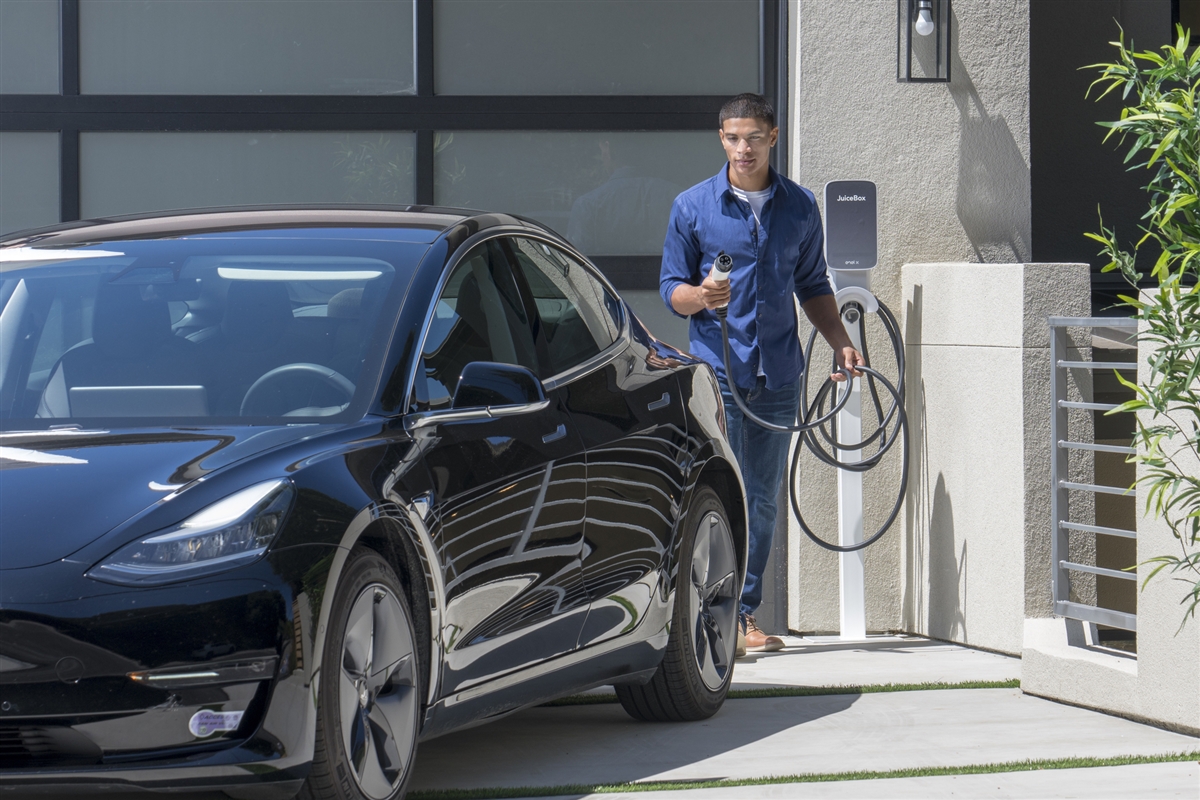
Homes with EV Charging Stations Benefits, Technology, and Real-World Examples
The global shift toward electric vehicles (EVs) is transforming not just how people drive but also how they live. As more households embrace sustainable transportation, homes with EV charging stations are becoming a defining feature of modern living. These properties combine convenience, energy efficiency, and environmental responsibility, making them highly attractive for homeowners and investors alike.
In this article, we’ll explore what makes EV-ready homes essential, the technology that powers them, the real-world examples setting the standard, and the long-term benefits of integrating EV charging into residential properties.
What Are Homes with EV Charging Stations?
Homes with EV charging stations are residential properties equipped with dedicated electric vehicle chargers. These chargers, typically Level 2 stations, allow residents to recharge their EVs faster and more efficiently than standard electrical outlets.
Such homes are designed to meet the needs of a new generation of environmentally conscious homeowners who want sustainable living integrated into their daily routines. Beyond convenience, these homes are also future-proof, catering to the growing demand for electric vehicles worldwide.
Why Homes with EV Charging Stations Are Increasing in Demand
The rise in demand for EV-ready homes is driven by the rapid growth of electric vehicle adoption. Governments worldwide are pushing for reduced carbon emissions, automakers are releasing more affordable EV models, and consumers are prioritizing sustainability.
For homeowners, an EV charging station represents both a lifestyle upgrade and an investment in property value. Prospective buyers often see charging infrastructure as a must-have amenity, similar to high-speed internet or smart home technology. For real estate investors, properties with EV chargers offer a competitive edge in markets where demand for sustainable housing is accelerating.
Key Features of Homes with EV Charging Stations
Level 2 Charging Stations
Most homes with EV charging are equipped with Level 2 chargers, which use a 240-volt outlet. These allow faster charging, typically adding 20–30 miles of range per hour, making them practical for daily use.
Smart Integration
Many modern chargers connect to smart home systems, enabling homeowners to monitor energy usage, schedule charging during off-peak hours, and even integrate renewable energy sources like rooftop solar panels.
Safety and Compliance
Residential charging stations are built to comply with safety standards, ensuring protection against overcurrent, overheating, and other electrical hazards. Proper installation also future-proofs the home against evolving EV technologies.
Real-World Examples of Homes with EV Charging Stations
1. Tesla Wall Connector in Modern Homes
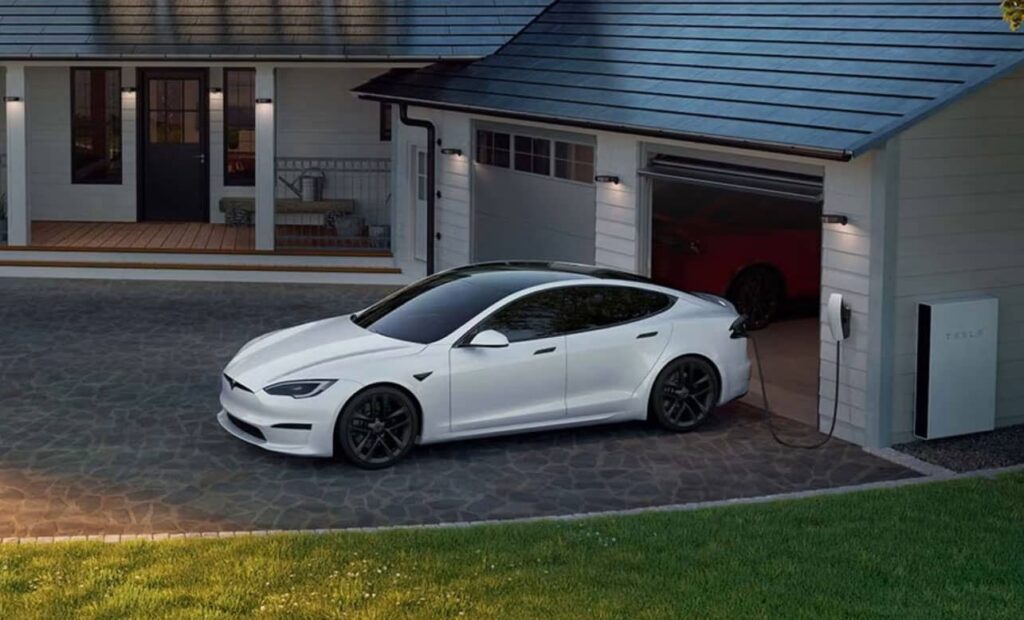
The Tesla Wall Connector has become a common feature in eco-friendly homes, offering up to 44 miles of range per hour of charge. Beyond Tesla vehicles, many units are adaptable for other EVs, making them versatile. For homeowners, having this integrated solution boosts convenience while aligning with Tesla’s renewable ecosystem, especially when combined with solar roofs.
2. ChargePoint Home Flex
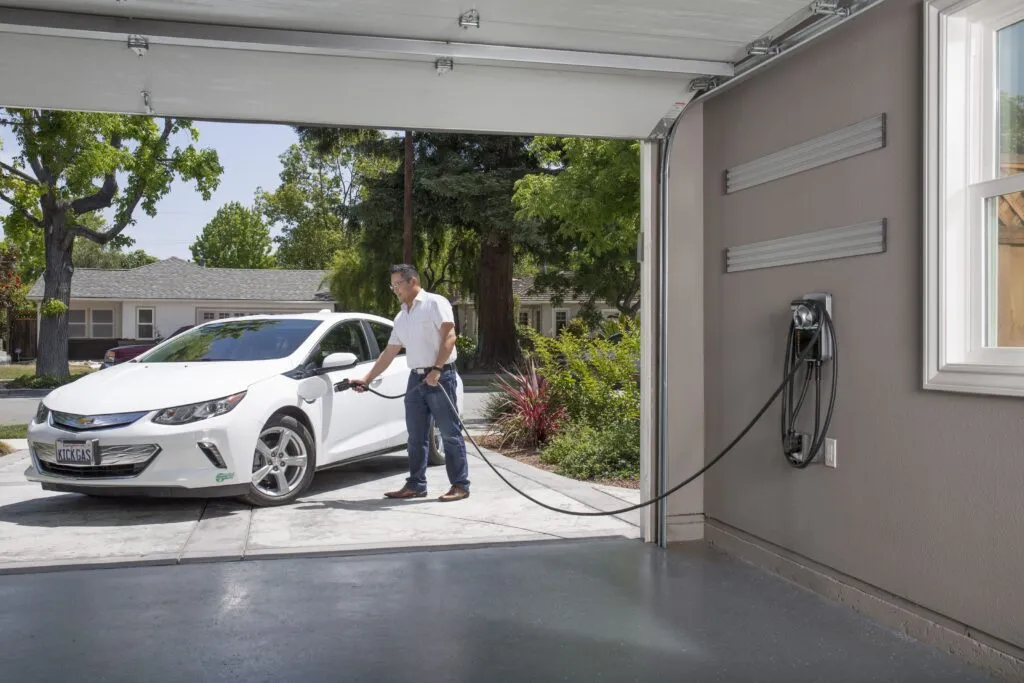
ChargePoint’s Home Flex charger is popular in smart homes due to its Wi-Fi connectivity and compatibility with mobile apps. It allows homeowners to track charging history, schedule sessions, and optimize energy costs. Its flexibility supports various EV models, making it a strong choice for multi-vehicle households.
3. Enel X JuiceBox Residential Charger
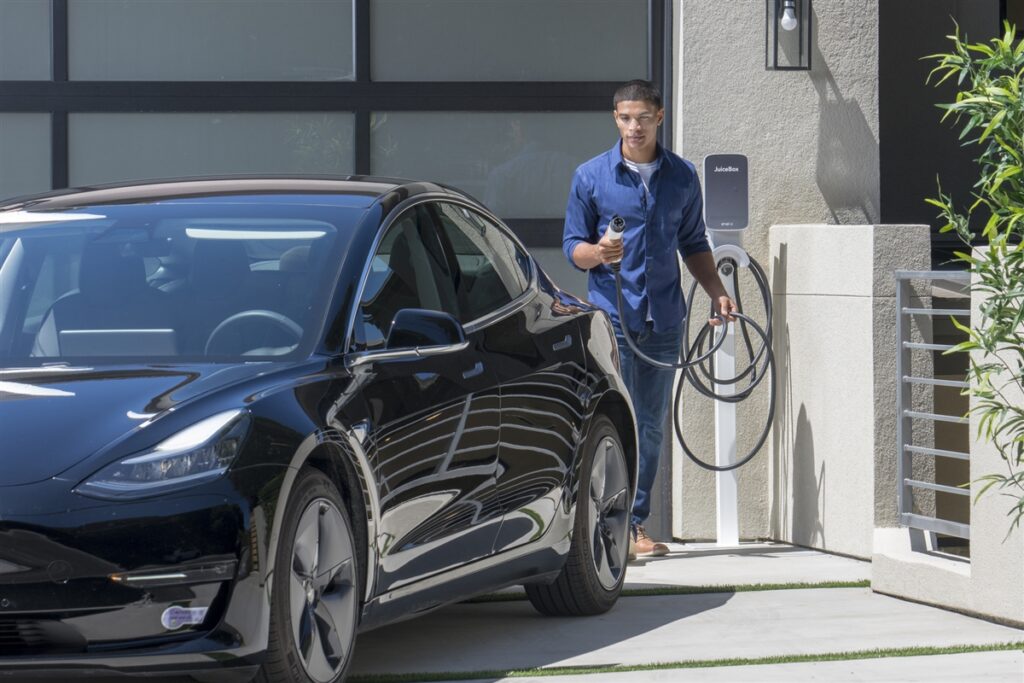
JuiceBox chargers are designed for energy efficiency and smart integration. Homeowners can pair them with renewable energy systems, such as rooftop solar, to maximize sustainability. With voice control compatibility, the JuiceBox charger represents how EV-ready homes merge mobility with smart living.
4. Solar-Powered EV Charging Homes
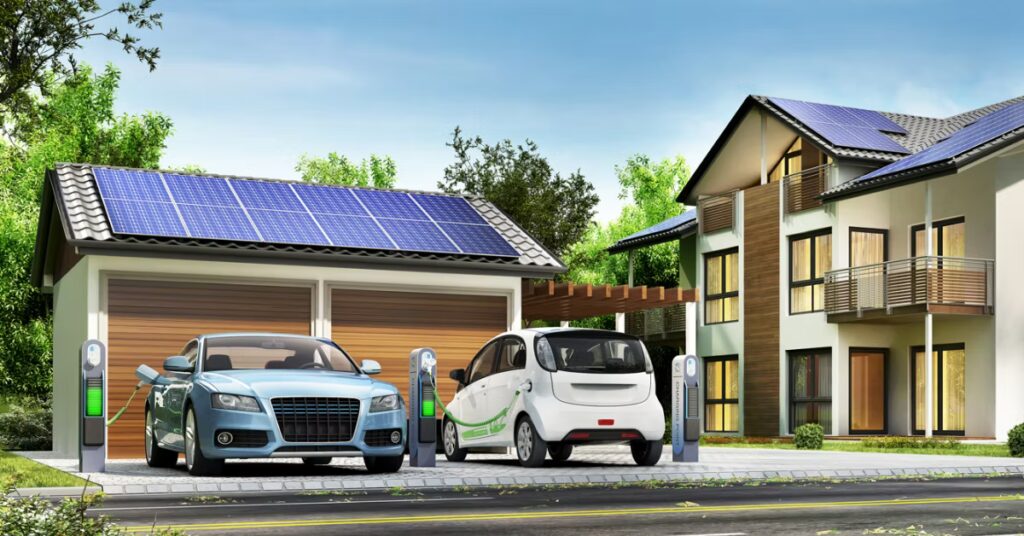
Some homeowners are taking sustainability further by powering EV chargers with solar panels. These homes not only reduce dependence on the grid but also achieve significant energy savings. By combining renewable energy and EV infrastructure, they set a benchmark for future-ready residential living.
Benefits of Technology in Homes with EV Charging Stations
Technology is at the heart of residential EV charging. Smart chargers provide homeowners with data-driven insights into energy use, enabling more efficient and cost-effective charging. For example, apps can send notifications when the car is fully charged or allow users to start and stop sessions remotely.
Integration with renewable energy is another significant benefit. A home equipped with solar panels and a smart EV charger can prioritize solar energy during peak production, lowering reliance on the grid. This creates a self-sustaining ecosystem that maximizes efficiency and reduces costs.
Furthermore, predictive software can analyze patterns in charging behavior, suggesting optimal schedules that minimize wear on batteries and reduce strain on the grid. This ensures not only convenience but also long-term sustainability.
Practical Benefits of Homes with EV Charging Stations
Convenience for Daily Life
Having an EV charging station at home eliminates the need to rely on public charging points. Homeowners can charge their cars overnight, ensuring a full battery every morning.
Increased Property Value
Real estate studies suggest that homes with EV chargers command higher prices and sell faster than those without. As EV adoption grows, this feature will likely become a standard expectation.
Environmental Impact
By combining renewable energy with residential EV charging, homeowners significantly reduce their carbon footprint. This helps combat climate change while supporting a cleaner transportation system.
Use Cases for Homes with EV Charging Stations
Urban Homeowners with Limited Public Charging
In cities where public EV charging infrastructure is limited, having a private home charger ensures consistent and hassle-free access to power. This solves the common problem of range anxiety.
Multi-Vehicle Families
Households with more than one EV benefit greatly from home charging setups. Having multiple charging points or smart chargers that balance the load ensures both vehicles are ready when needed.
Sustainable Communities
In eco-focused residential developments, EV charging stations are integrated into every home, creating communities that share the goal of sustainability. These neighborhoods showcase the potential of aligning housing with future mobility needs.
Remote or Suburban Homes
For residents in suburban or rural areas, public charging points may be sparse. Home charging ensures they can confidently travel longer distances without worrying about infrastructure availability.
Challenges in Implementing EV Charging at Home
While the advantages are significant, installing EV charging stations in homes comes with challenges. Upfront installation costs can be high, particularly if electrical upgrades are required. Older homes may need panel upgrades to handle the additional load safely.
In addition, energy demand spikes from widespread EV adoption may strain local grids, requiring smarter infrastructure and policies. However, these challenges are being addressed with innovations like vehicle-to-grid (V2G) technology and smart energy management systems.
The Future of Homes with EV Charging Stations
The future of residential properties will almost certainly include EV charging as a standard feature. As more governments set deadlines for phasing out internal combustion engines, EV adoption will surge, making charging infrastructure essential.
Emerging technologies like bi-directional charging will enable EVs to act as backup power sources for homes during outages, further enhancing their value. Combined with renewable energy and smart grids, homes with EV chargers will become central to sustainable living.
FAQs
Q1. Do EV charging stations increase home value?
Yes, homes with EV chargers are often more attractive to buyers. They not only provide convenience but also align with the growing demand for sustainable living, which boosts property value.
Q2. Can all homes install EV charging stations?
Most homes can install EV chargers, but older properties may require electrical upgrades. Professional installation ensures safety and compatibility with modern charging equipment.
Q3. How long does it take to charge an EV at home?
With a Level 2 charger, most EVs can be fully charged overnight, adding around 20–30 miles of range per hour. This makes it convenient for daily commuting and long-distance travel readiness.