Green Construction Companies Driving the Future of Sustainable Building
Green construction companies are revolutionizing the building industry by prioritizing sustainability, energy efficiency, and environmentally responsible practices. As the demand for eco-friendly solutions grows, these companies are leading the way in reshaping how buildings are designed, constructed, and maintained. This article explores the role of green construction companies, their technologies, benefits, real-world examples, and practical use cases.
What Are Green Construction Companies?
Green construction companies specialize in designing and building projects that minimize negative environmental impacts while maximizing efficiency and sustainability. Their work involves incorporating renewable energy, sustainable building materials, water conservation systems, and waste-reduction strategies. Unlike traditional construction firms, these companies emphasize long-term ecological responsibility and human health.
The movement toward green construction gained momentum in the early 2000s with certifications such as LEED (Leadership in Energy and Environmental Design) and BREEAM (Building Research Establishment Environmental Assessment Method). Today, green construction companies are essential partners in combating climate change, reducing carbon emissions, and supporting communities with healthier living and working environments.
Key Features of Green Construction Practices
Green construction companies integrate several core elements into their projects. These include:
-
Use of eco-friendly materials, such as recycled steel, bamboo, reclaimed wood, and low-VOC paints.
-
Energy efficiency solutions, including solar panels, smart thermostats, and high-efficiency insulation.
-
Water-saving technologies, like rainwater harvesting systems and greywater recycling.
-
Waste reduction strategies focus on recycling and reusing materials.
-
Sustainable design principles, such as natural ventilation, daylight optimization, and green roofs.
By blending these features, companies can deliver structures that not only meet modern building standards but also contribute to a sustainable future.
Benefits of Green Construction Companies
Green construction companies bring numerous benefits to both the environment and building occupants.
Environmental Benefits
Green construction reduces the carbon footprint of buildings by cutting down energy consumption and encouraging renewable energy use. Materials are sourced responsibly, ensuring forests, ecosystems, and natural resources are protected.
Economic Advantages
Though green construction can involve higher upfront costs, long-term savings on energy bills, water usage, and maintenance are substantial. Green-certified buildings also tend to have higher property values and attract eco-conscious buyers or tenants.
Health and Lifestyle Improvements
Buildings created by green construction companies prioritize indoor air quality, natural light, and reduced exposure to harmful chemicals. This results in healthier living and working conditions, improving well-being and productivity.
Real-World Examples of Green Construction Companies
1. Skanska USA
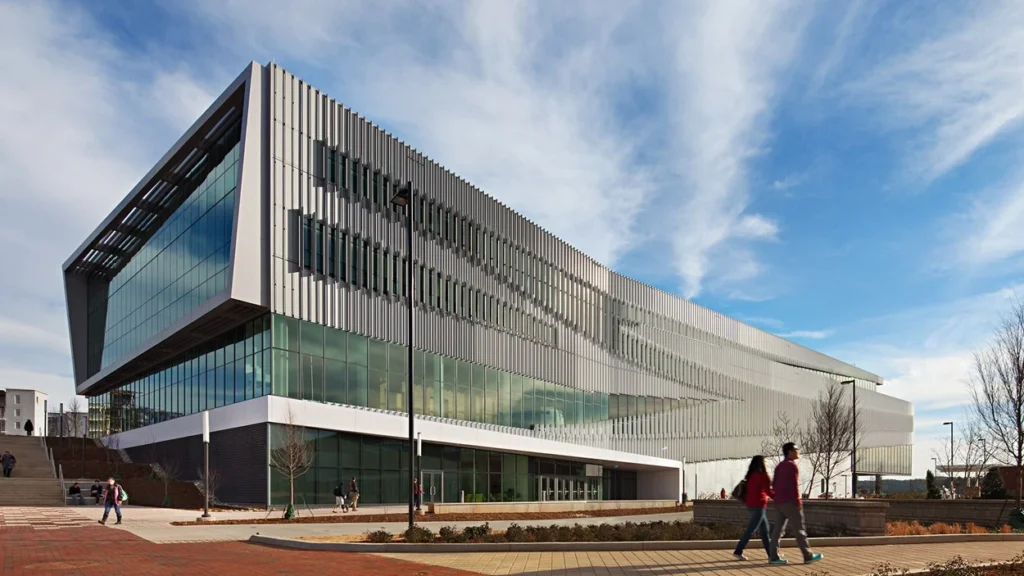
Skanska is one of the world’s largest construction and development companies with a strong focus on sustainability. They are known for delivering large-scale green projects, including LEED-certified office towers and infrastructure. Skanska integrates renewable energy systems, recycled materials, and smart energy management into its projects.
Their work on the Empire State Building retrofit is a key example, where they reduced energy consumption by 38% while maintaining the building’s historic design. This demonstrates how green construction practices can modernize iconic structures without compromising heritage.
2. Turner Construction Company
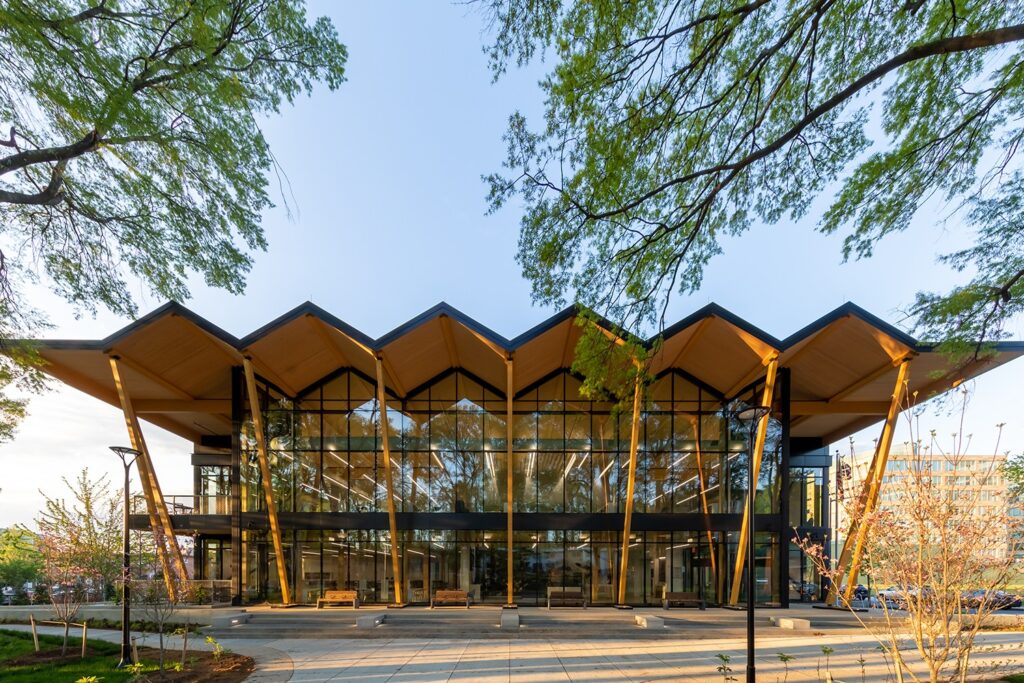
Turner is a leader in green building with hundreds of LEED-certified projects across the United States. They are committed to sustainability through waste management, indoor air quality standards, and eco-friendly designs.
One notable project is the National Renewable Energy Laboratory’s Research Support Facility (RSF) in Colorado. Turner’s work created a zero-energy building that generates as much energy as it consumes, setting new benchmarks for sustainable office spaces.
3. Clark Construction Group
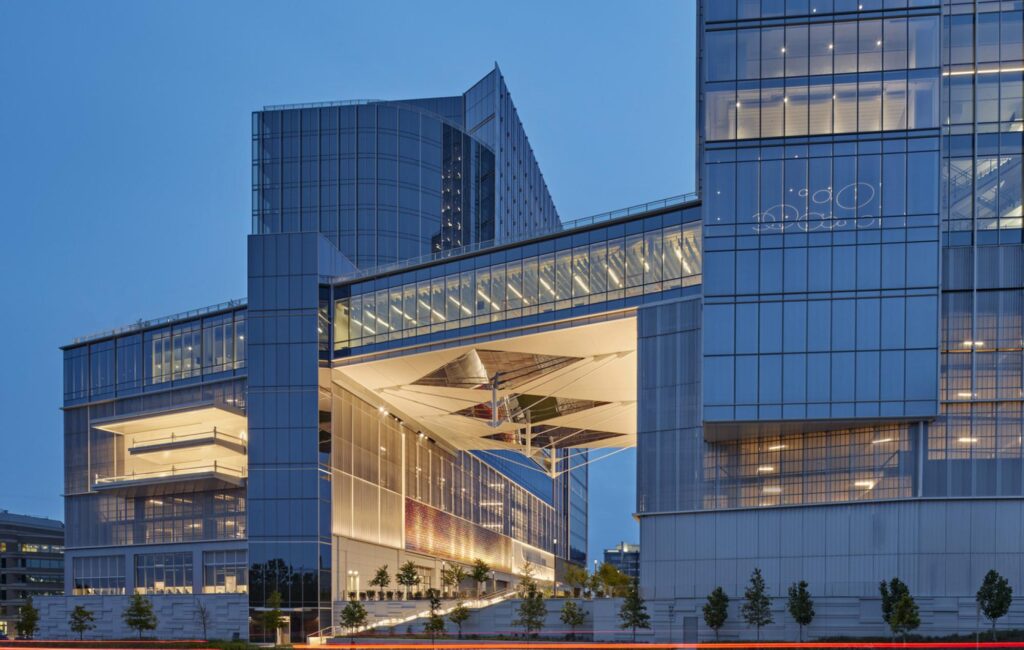
Clark Construction has built a reputation for integrating sustainability into high-profile projects. Their expertise includes sustainable hospitals, universities, and government facilities.
A standout project is the Smithsonian Institution’s National Museum of African American History and Culture in Washington, D.C., which achieved LEED Gold certification. Clark used energy-efficient systems, sustainable landscaping, and locally sourced materials to minimize environmental impact.
4. Gilbane Building Company
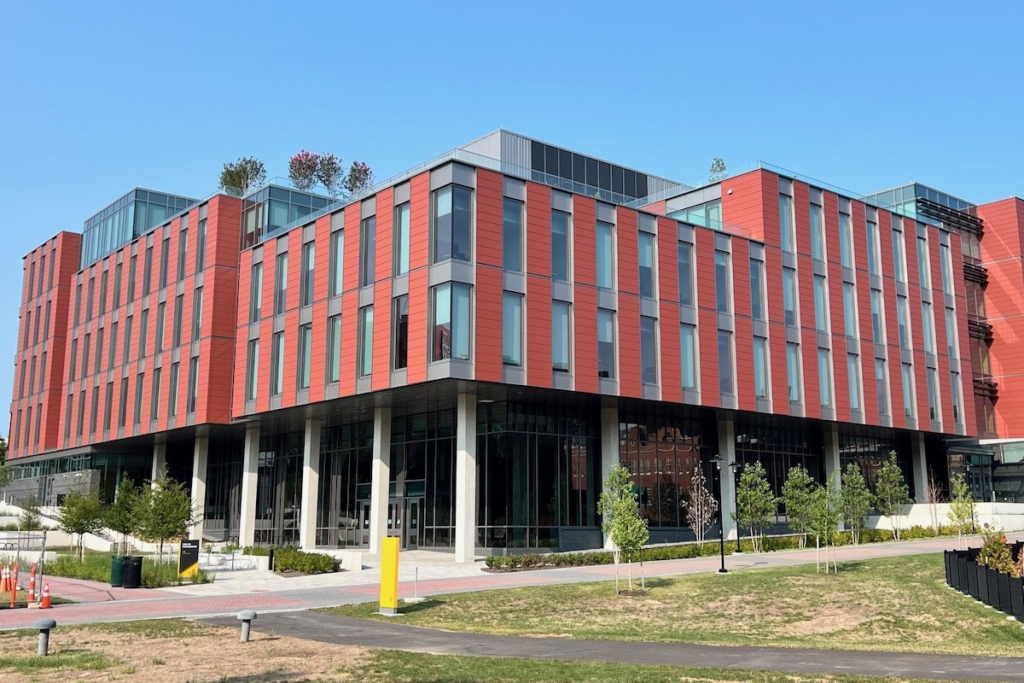
Gilbane emphasizes green construction through energy efficiency and waste reduction. They integrate green roofs, rainwater collection systems, and advanced recycling practices into their projects.
Their Brown University Building for Environmental Research and Teaching showcases how education facilities can embody sustainable design while serving as living laboratories for students and researchers.
How Technology Enhances Green Construction
Green construction companies rely heavily on advanced technologies to deliver sustainable outcomes.
-
Building Information Modeling (BIM): Enables precise planning to reduce material waste and optimize building performance.
-
Smart Building Systems: Automated controls for lighting, heating, and ventilation improve energy efficiency.
-
Renewable Energy Integration: Solar panels, geothermal systems, and wind turbines help reduce reliance on fossil fuels.
-
3D Printing of Sustainable Materials: Allows the creation of customized building components with minimal waste.
These technologies not only reduce costs and environmental impact but also enhance long-term performance, ensuring buildings remain sustainable for decades.
Use Cases of Green Construction Companies
Urban Office Buildings
Green construction is crucial in dense urban areas where energy use is high. Sustainable office towers reduce operational costs for businesses and offer healthier work environments for employees.
Educational Institutions
Schools and universities increasingly partner with green construction companies to create energy-efficient campuses. These facilities serve as models of sustainability for future generations.
Healthcare Facilities
Hospitals built with green principles reduce patient exposure to toxins, improve air quality, and lower energy bills. This creates healthier spaces for recovery and operational efficiency.
Residential Complexes
From single-family homes to large apartment buildings, green construction companies design living spaces that save energy and water while promoting comfort and well-being for residents.
Challenges Faced by Green Construction Companies
While the industry continues to grow, green construction companies face several challenges. High upfront costs often discourage investors, despite long-term savings. Additionally, sourcing sustainable materials can be complex and costly depending on location.
There is also the challenge of educating clients about the benefits of green construction. Many are still unfamiliar with certifications like LEED or underestimate the impact sustainable buildings can have on property value and environmental health.
The Future of Green Construction Companies
The future looks promising as governments, organizations, and communities increasingly prioritize sustainability. Incentives such as tax benefits, green building grants, and stricter environmental regulations are pushing the industry forward.
With innovations in smart technologies and renewable energy, green construction companies are poised to play a central role in shaping sustainable cities of the future. Their projects will continue to reduce emissions, conserve resources, and inspire new generations of eco-conscious builders and occupants.
Frequently Asked Questions
Q1. What is the main goal of green construction companies?
The main goal is to create environmentally responsible buildings that minimize resource use, reduce carbon emissions, and promote healthier living and working environments.
Q2. Are green buildings more expensive to construct?
Green buildings often have higher upfront costs due to advanced technologies and materials, but they deliver significant savings over time through lower energy and maintenance costs.
Q3. How can I identify a reliable green construction company?
Look for certifications such as LEED or BREEAM, review their portfolio of sustainable projects, and assess their integration of renewable energy, eco-friendly materials, and waste management practices.