Energy Efficient Apartments A Complete Guide to Sustainable Urban Living
Energy-efficient apartments are residential spaces designed with technologies, materials, and practices that minimize energy consumption while maximizing comfort and sustainability. They reduce utility costs, lower environmental impact, and create healthier living environments.
As cities grow and energy demands increase, the importance of sustainable housing solutions becomes critical. Energy-efficient apartments are no longer a niche concept but a mainstream trend reshaping urban housing. They integrate advanced insulation, smart systems, and renewable energy sources, helping residents embrace greener living without sacrificing convenience.
Why Energy Efficient Apartments Are Growing in Demand
The demand for energy-efficient apartments has risen due to rising energy costs, climate change awareness, and stricter environmental regulations. Renters and homeowners alike are seeking ways to reduce utility bills while living in modern, eco-conscious spaces.
Moreover, younger generations prioritize sustainable housing as part of their lifestyle choices. This shift has influenced developers to create apartments that combine modern design with energy-saving technologies. Energy efficiency is now seen as a key factor in property value and urban development strategies.
Core Features of Energy-Efficient Apartments
Advanced Insulation and Windows
One of the most essential features of energy-efficient apartments is proper insulation. High-performance windows, walls, and roofing reduce heat loss during winter and heat gain during summer. This ensures stable indoor temperatures, minimizing reliance on heating and cooling systems.
Smart Home Integration
Energy-efficient apartments often include smart thermostats, lighting systems, and appliances. These devices optimize energy consumption, allowing residents to monitor and control usage through mobile apps. The result is not only reduced energy bills but also more convenient living.
Renewable Energy Sources
Many energy-efficient apartments incorporate solar panels, wind turbines, or other renewable energy systems. These sources help power common areas or individual units, reducing dependency on traditional grids and lowering the building’s overall carbon footprint.
Real-World Examples of Energy-Efficient Apartments
1. The Edge in Amsterdam
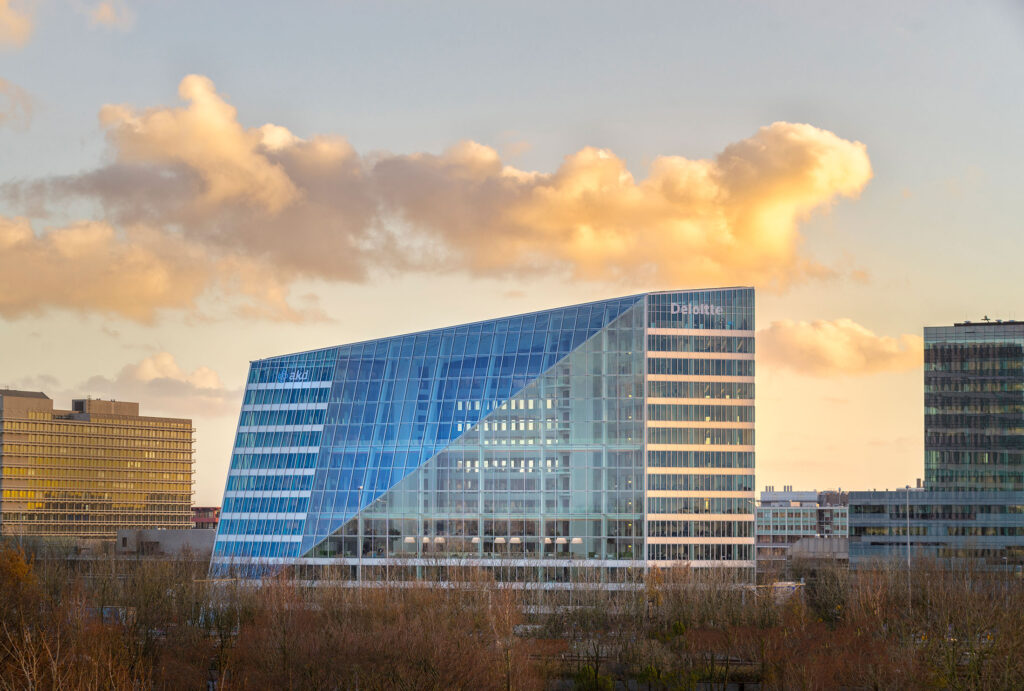
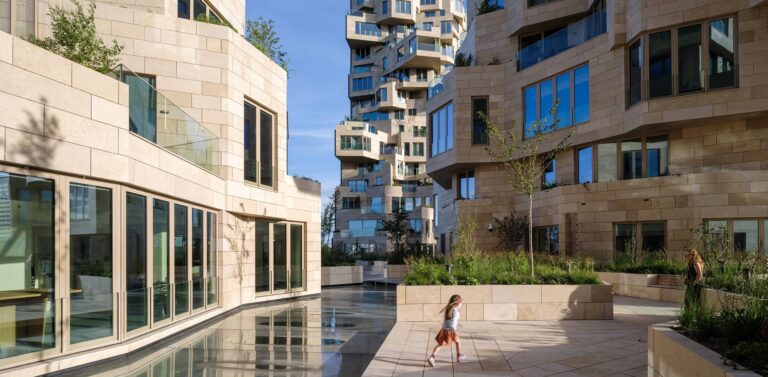
The Edge in Amsterdam is one of the most energy-efficient and sustainable residential and commercial buildings in the world. It uses advanced insulation, solar panels, and a smart energy management system that adjusts lighting and heating according to occupancy.
For residents, this creates a highly efficient living environment with minimal waste. The building showcases how combining cutting-edge technology with architectural design can produce one of the most sustainable apartment complexes globally.
2. Solstice on the Park in Chicago
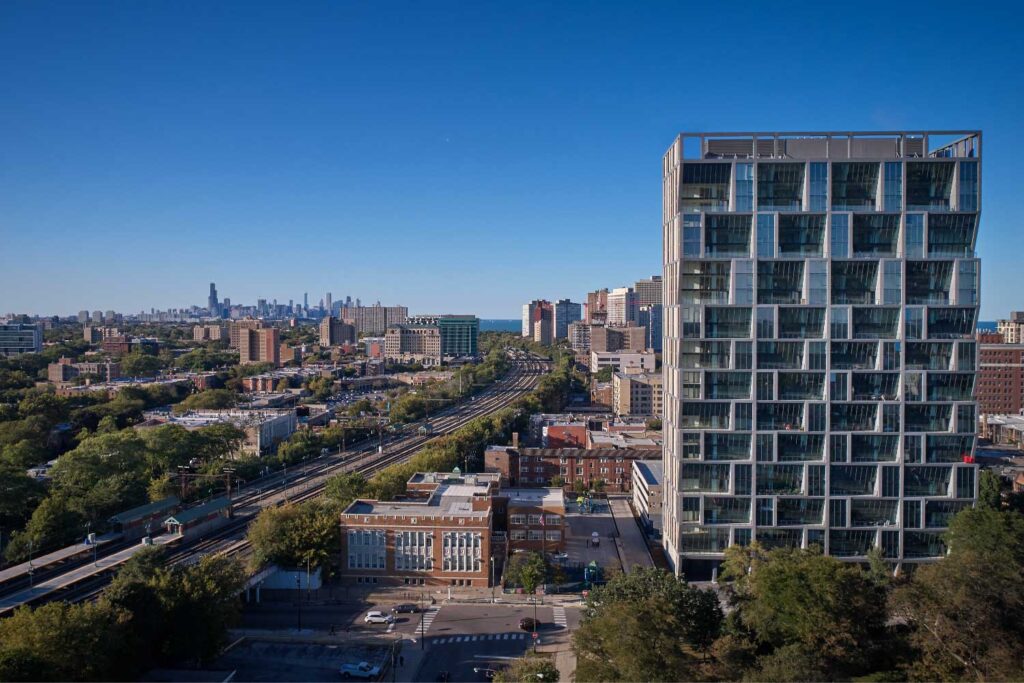
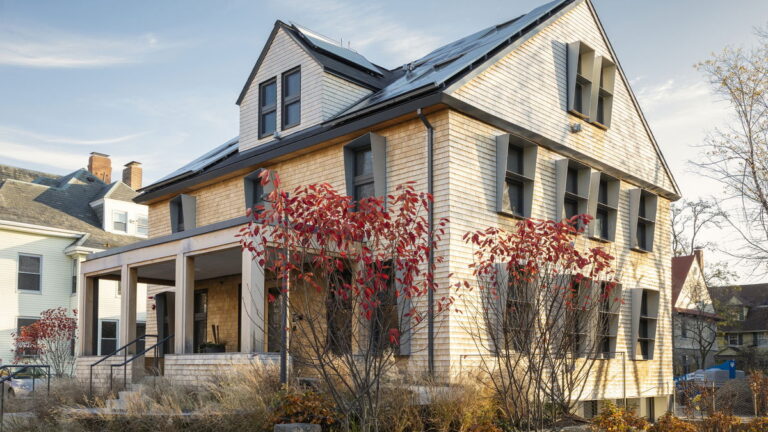
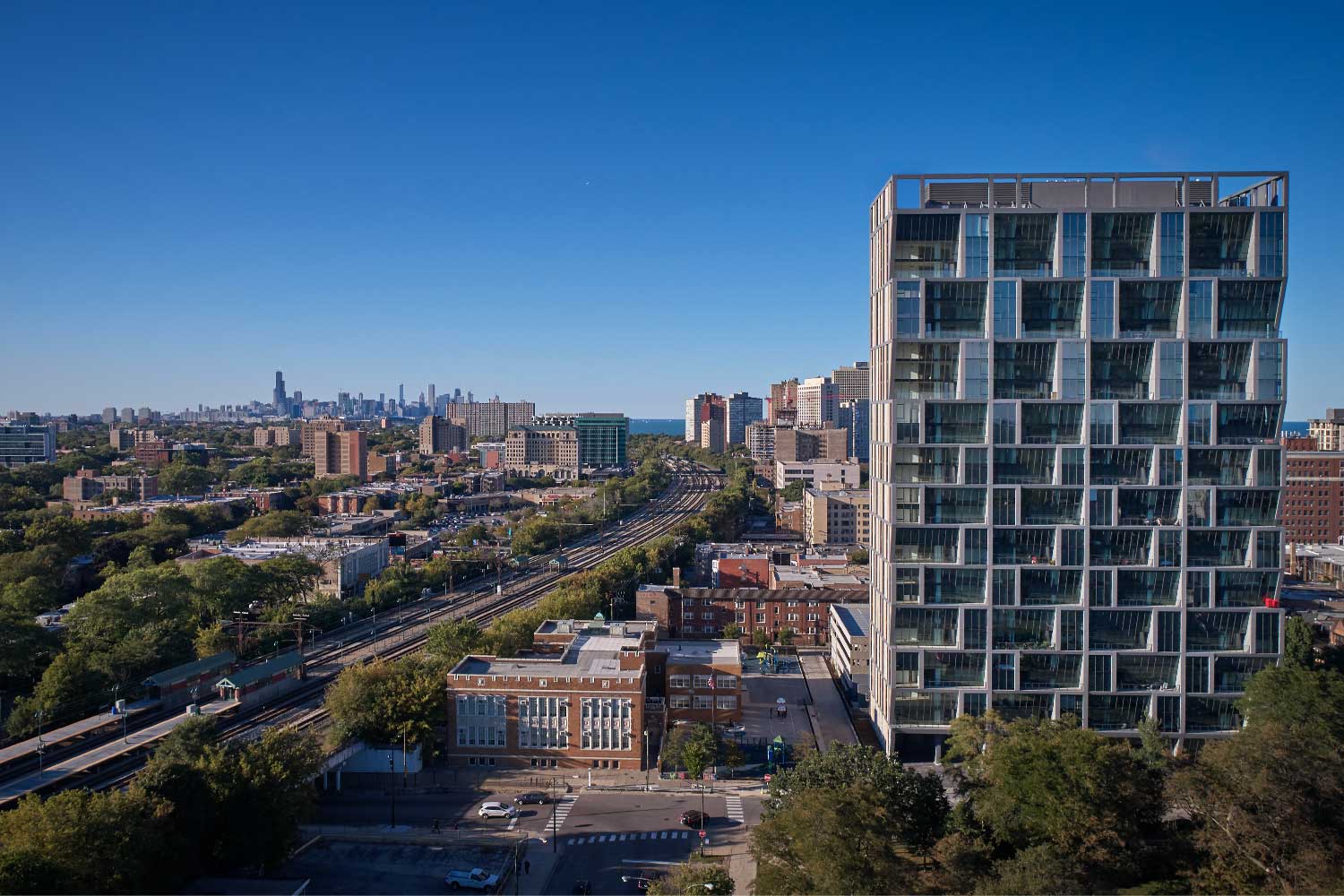
Located in Hyde Park, Chicago, Solstice on the Park is a residential complex designed with sustainability in mind. Its angled windows maximize natural sunlight in winter while reducing heat gain during summer. This passive solar design reduces the need for artificial heating and cooling.
The apartments also integrate smart technologies, ensuring that residents enjoy both comfort and lower utility bills. It highlights how architecture can blend with energy-efficient principles to create eco-friendly living spaces.
3. Bosco Verticale in Milan
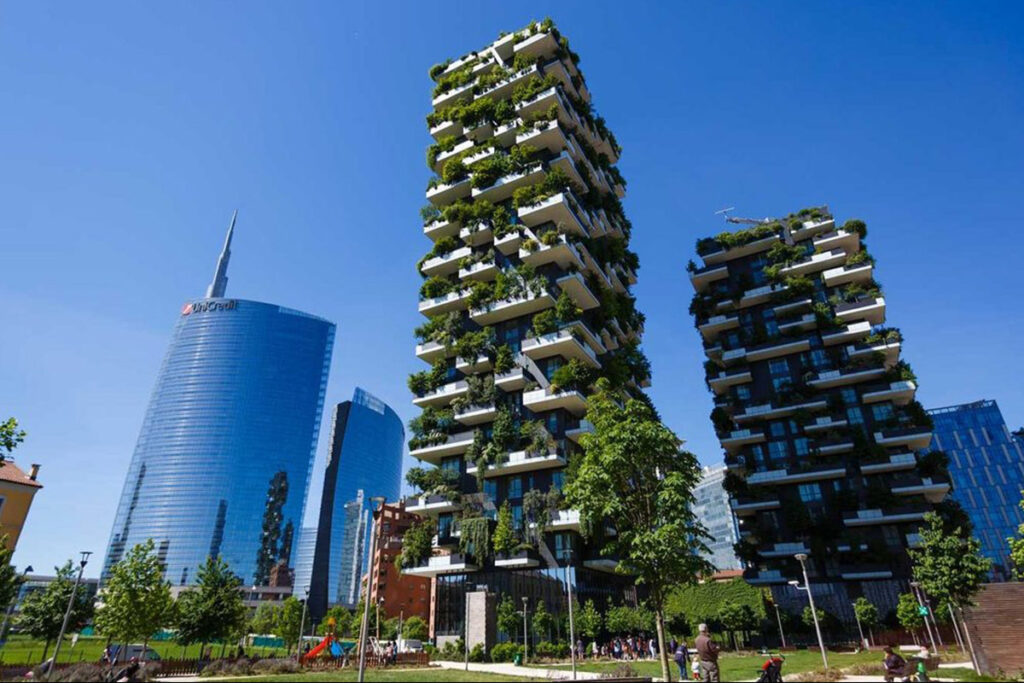
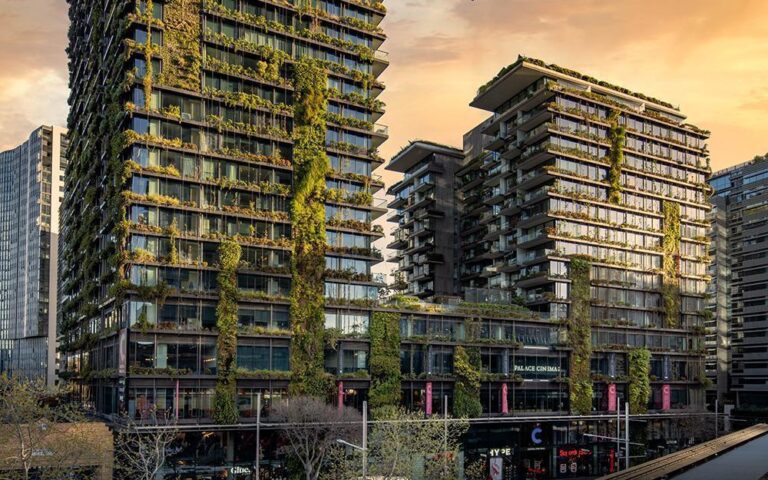
Bosco Verticale, also known as the “Vertical Forest,” is an iconic example of green urban living. The twin towers are covered with thousands of trees and plants that naturally regulate temperature, filter air, and provide insulation.
This approach significantly reduces energy needs for cooling and heating. Residents benefit from a unique living experience that combines luxury, sustainability, and a strong connection to nature—all while reducing their environmental footprint.
4. BedZED in London
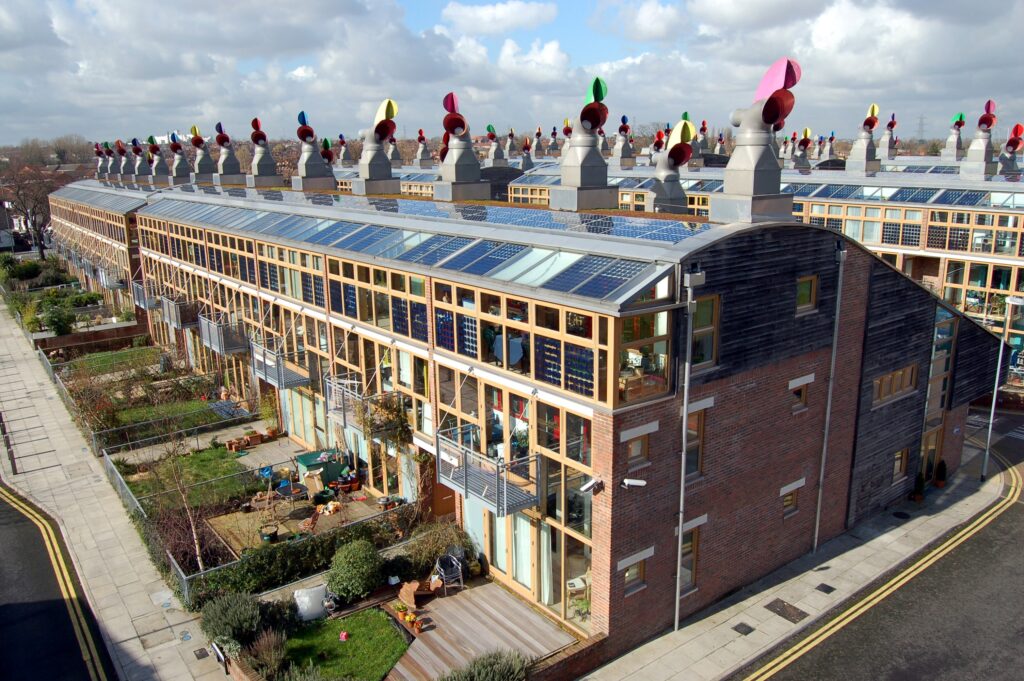
BedZED (Beddington Zero Energy Development) is the UK’s largest eco-village, designed to achieve near-zero energy consumption. Apartments in this community use renewable energy sources, natural ventilation, and high-performance insulation.
What makes BedZED unique is its integration of community-focused living with sustainable design. Residents experience reduced energy costs while contributing to a larger eco-conscious community model.
Benefits of Energy-Efficient Apartments
Lower Utility Costs
Energy-efficient apartments consume less electricity, heating, and cooling. Over time, this translates into significant cost savings for residents, making them attractive for both renters and buyers.
Reduced Environmental Impact
By lowering energy consumption and integrating renewable sources, these apartments reduce greenhouse gas emissions. Living in such spaces contributes directly to the fight against climate change.
Improved Comfort and Health
Better insulation, air quality control, and natural lighting contribute to healthier indoor environments. Residents enjoy consistent temperatures, reduced allergens, and more comfortable living conditions.
Role of Technology in Energy-Efficient Apartments
Technology is at the core of energy-efficient apartment design. Smart thermostats, like those integrated into modern apartments, allow precise control of heating and cooling, minimizing waste. Intelligent lighting systems automatically adjust based on occupancy and daylight, ensuring energy is not wasted unnecessarily.
Additionally, energy monitoring apps provide residents with insights into their usage patterns. This empowers individuals to make adjustments, encouraging more responsible consumption. Combined with renewable energy systems, these technologies transform apartments into smart, sustainable ecosystems.
Practical Use Cases of Energy-Efficient Apartments
Urban Professionals
For young professionals in busy cities, energy-efficient apartments offer lower living costs and modern smart home features. This combination appeals to those who value both sustainability and convenience.
Families
Families living in energy-efficient apartments benefit from healthier indoor air quality, reduced noise pollution due to insulation, and lower long-term expenses. This makes such homes ideal for raising children in safe, eco-friendly environments.
Seniors
Energy-efficient apartments also benefit seniors by ensuring consistent indoor temperatures and lower utility costs. The reduced financial burden and enhanced comfort make them a sustainable choice for retirement living.
FAQs about Energy Efficient Apartments
Q1. What makes an apartment energy efficient? Energy-efficientt apartments include features like advanced insulation, renewable energy systems, smart home technologies, and sustainable building materials. These reduce energy consumption while improving comfort.
Q2. Do energy-efficient apartments cost more?
They may have higher initial construction or rental costs, but long-term savings on utility bills and maintenance often outweigh the upfront expenses.
Q3. How do energy-efficient apartments impact the environment?
By reducing energy use and emissions, energy-efficient apartments significantly lower carbon footprints, contributing to sustainable urban development and environmental preservation.