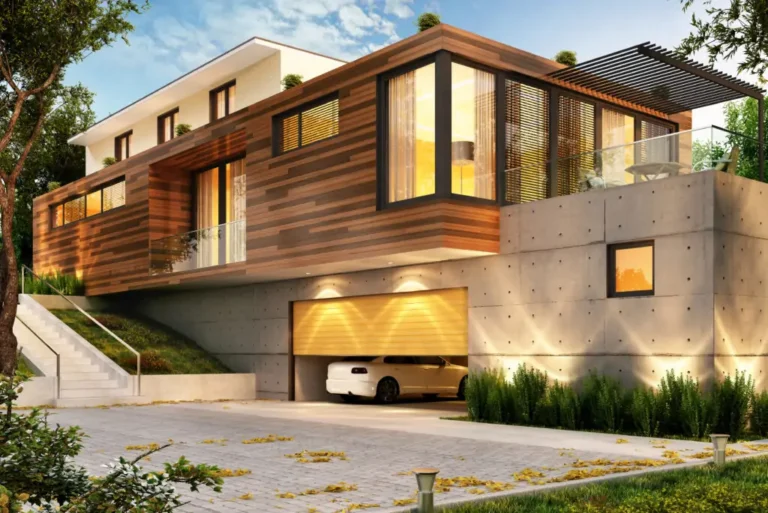
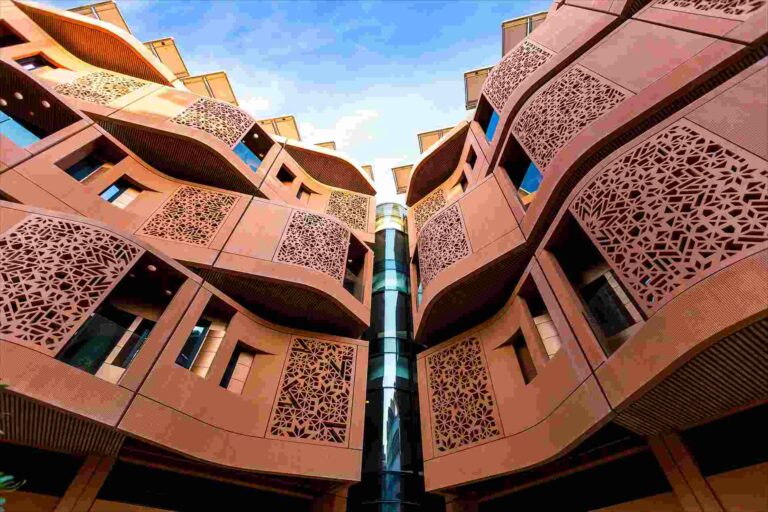
Eco-Friendly Homes for Sale A Complete Guide to Sustainable Living Spaces
Eco-friendly homes for sale are becoming increasingly popular as homebuyers prioritize sustainability, energy efficiency, and healthier living environments. These homes are designed with green building principles in mind, using materials, technologies, and designs that reduce environmental impact while enhancing comfort and efficiency.
Unlike traditional properties, eco-friendly homes often integrate solar power, sustainable construction materials, rainwater harvesting systems, energy-efficient appliances, and smart technologies. This growing demand reflects a global shift toward conscious living and investment in properties that support long-term environmental goals.
Why Eco-Friendly Homes are in High Demand
The demand for eco-friendly homes has risen dramatically due to both environmental concerns and financial incentives. Climate change awareness has driven more buyers to consider properties that minimize carbon emissions and reduce energy consumption.
Additionally, eco-homes often provide long-term financial savings by lowering utility bills and maintenance costs. Governments in many regions also encourage green housing by offering tax benefits and regulatory support. Together, these factors make eco-friendly homes a smart choice for modern buyers.
The Role of Technology in Eco-Friendly Homes
Technology is central to the effectiveness of eco-friendly homes. Smart systems monitor and manage energy use, ensuring maximum efficiency while reducing waste. For example, smart thermostats adjust heating and cooling based on occupancy patterns, while smart lighting systems minimize unnecessary electricity usage.
Another key technology is renewable energy integration. Homes equipped with solar panels and energy storage systems reduce dependency on fossil fuels, making households more resilient and sustainable. Additionally, water-saving technologies such as greywater recycling and low-flow fixtures further enhance eco-friendly living.
By combining intelligent systems with green infrastructure, eco-friendly homes deliver not only lower environmental impact but also measurable improvements in quality of life.
Real-World Examples of Eco-Friendly Homes
1. Passive House Design
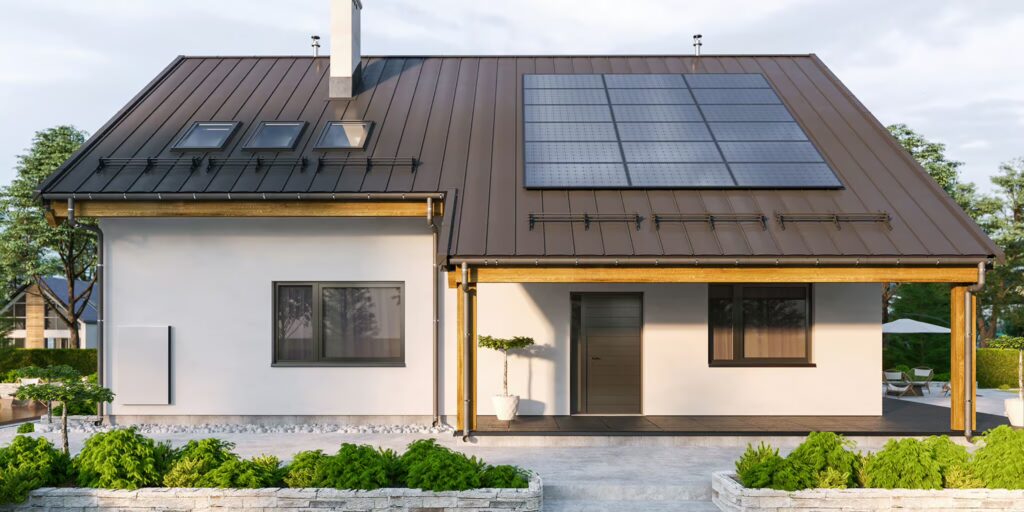
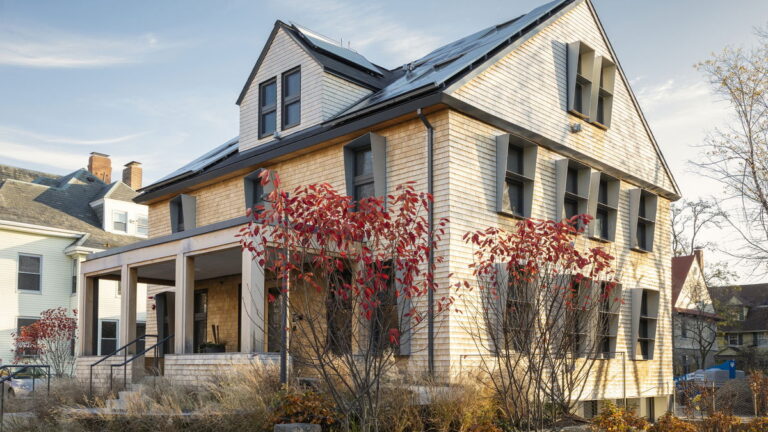
Passive houses are among the most energy-efficient, eco-friendly homes available. These properties use advanced insulation, airtight construction, and high-performance windows to minimize energy loss. Instead of relying heavily on heating or cooling systems, passive houses maintain a stable indoor temperature through natural ventilation and thermal efficiency.
This design not only cuts down on utility bills but also creates a healthier indoor environment with consistent air quality. For homeowners, the benefit lies in both sustainability and long-term cost efficiency.
2. Earthship Homes
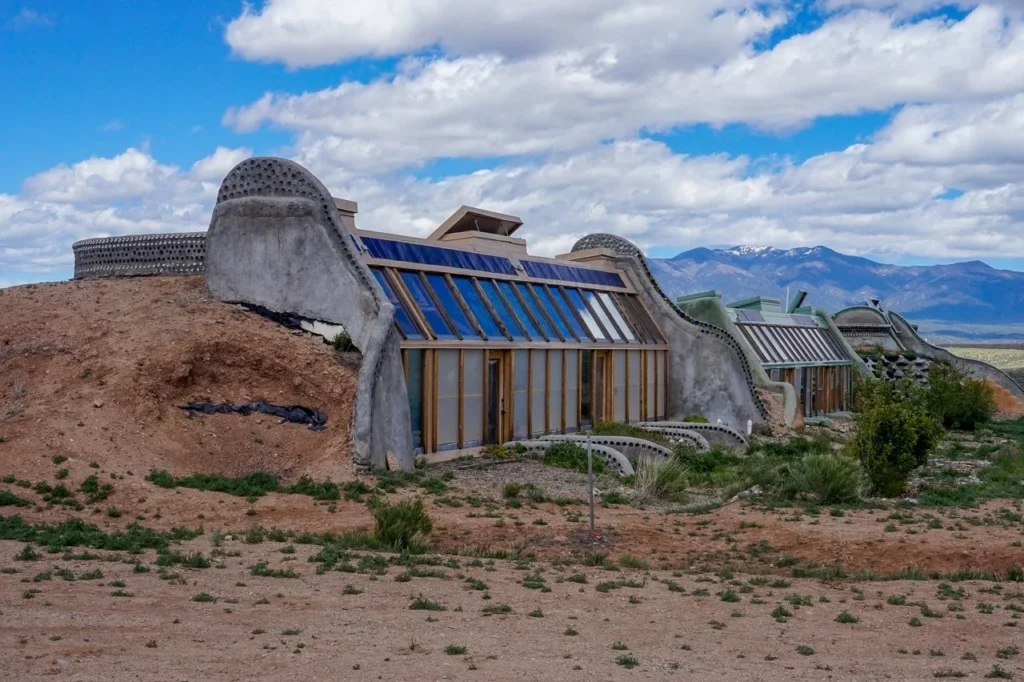
Earthship homes are unique, eco-friendly properties constructed using natural and recycled materials, such as tires, glass bottles, and adobe. These homes are often off-grid, relying on solar energy, rainwater collection, and indoor food-growing systems.
They represent a self-sufficient approach to sustainable living, allowing homeowners to live independently from traditional utilities. Beyond reducing environmental impact, Earthships promote resilience, making them a strong option in regions prone to resource shortages.
3. Net-Zero Energy Homes
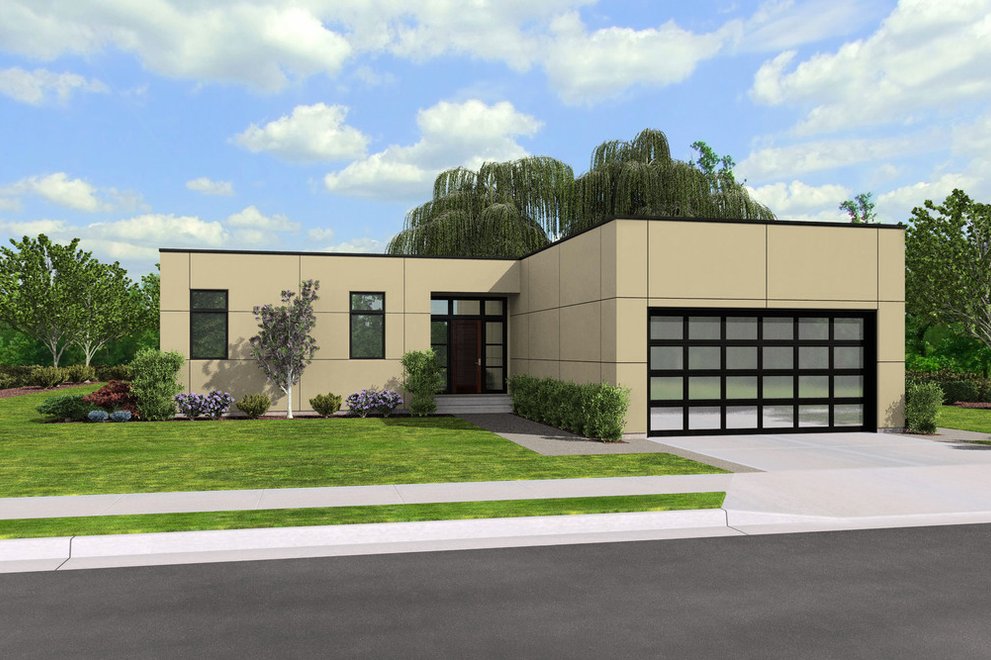
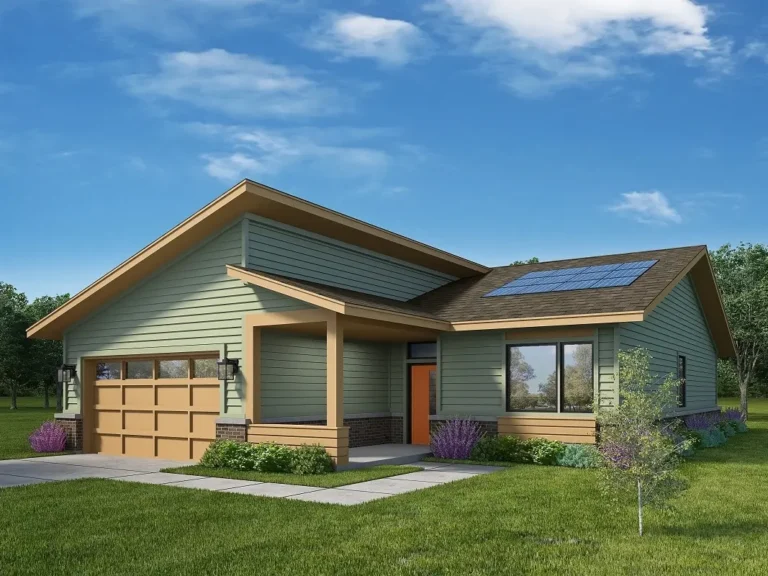
Net-zero energy homes are designed to produce as much energy as they consume over a year. They achieve this balance through renewable energy systems like solar panels combined with ultra-efficient appliances and insulation.
For buyers, net-zero homes offer the dual benefit of eliminating energy bills and significantly reducing carbon footprints. These properties showcase how advanced design and renewable technologies can come together to create homes that are both eco-conscious and financially practical.
4. Modular Eco Homes
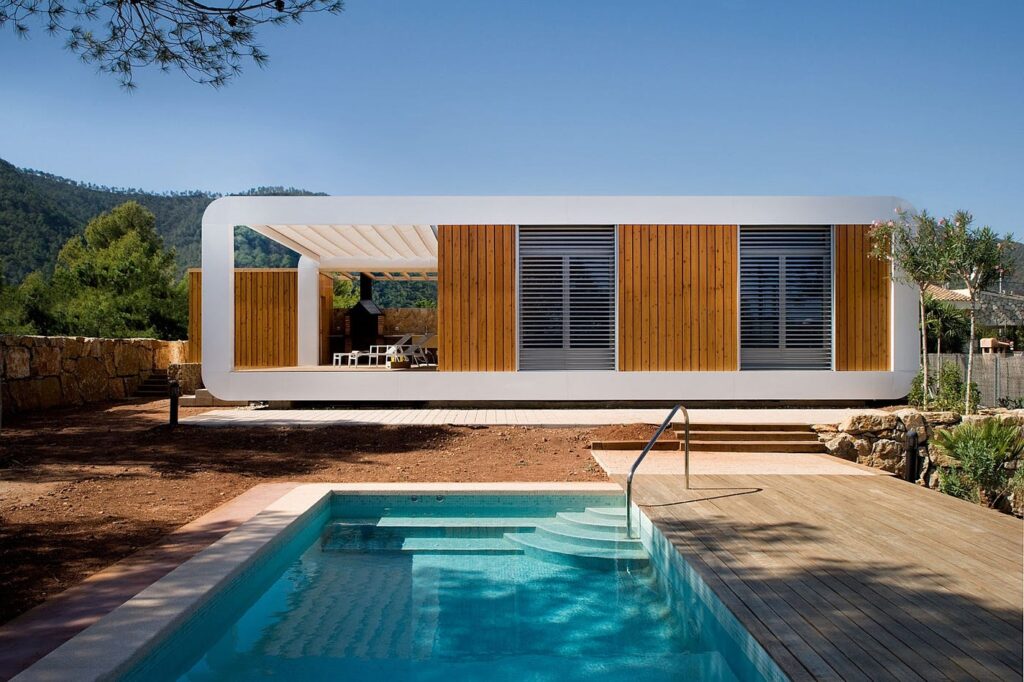
Modular eco homes are prefabricated, sustainable houses built in sections and assembled on-site. They often use eco-friendly building materials, low-energy appliances, and renewable energy systems.
These homes are cost-effective to build and can be customized to meet high sustainability standards. They also minimize construction waste due to their efficient building process. Eco-Friendly Homes for Sale. Modular eco homes highlight how innovation in construction methods can make eco-friendly housing more accessible.
Benefits of Eco-Friendly Homes
Eco-friendly homes offer several advantages that make them highly attractive to modern buyers:
-
Environmental Benefits: Reduced carbon emissions, energy use, and water waste.
-
Financial Benefits: Lower monthly utility bills, increased property value, and potential tax incentives.
-
Health Benefits: Improved indoor air quality through non-toxic materials and better ventilation systems.
-
Lifestyle Benefits: Enhanced comfort, access to smart technologies, and alignment with sustainable living values.
These benefits ensure that eco-homes are not only better for the planet but also improve the quality of life for residents.
Use Cases of Eco-Friendly Homes in Real Life
Reducing Long-Term Costs for Families
Families often face high utility bills. Eco-friendly homes equipped with solar panels, smart systems, and efficient insulation help lower these costs significantly, making household budgets more manageable over time.
Supporting Sustainable Communities
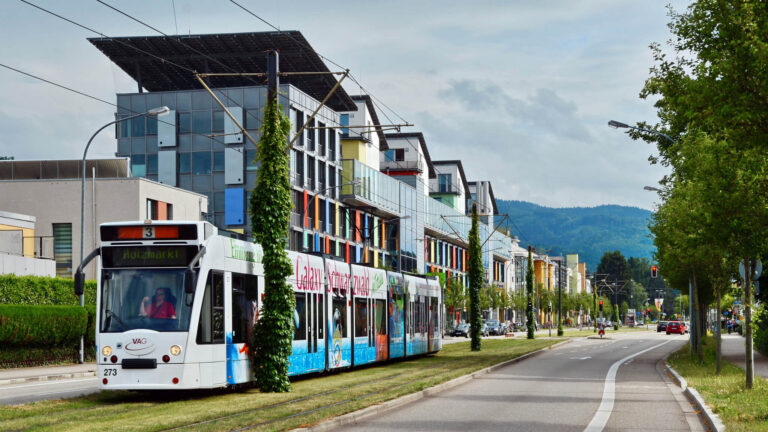
Entire neighborhoods are being designed around sustainability principles, with eco-friendly homes forming the foundation. These communities encourage green transportation, shared resources, and eco-conscious lifestyles.
Enhancing Resilience in Remote Areas
Eco-friendly homes that rely on renewable energy and water recycling can thrive in remote locations where utilities are limited. This makes them valuable solutions for off-grid living or areas vulnerable to natural disasters.
Frequently Asked Questions
Q1. What makes a home eco-friendly?
A home is considered eco-friendly if it integrates sustainable materials, energy-efficient technologies, renewable energy sources, and water-saving systems that reduce environmental impact while improving efficiency.
Q2. Are eco-friendly homes more expensive?
While eco-friendly homes may have higher upfront costs due to specialized materials and technologies, they often save money in the long run through lower utility bills, reduced maintenance, and higher property value.
Q3. What are the main types of eco-friendly homes for sale?
Common types include passive houses, Earthship homes, net-zero energy homes, and modular eco homes. Each type incorporates different sustainability principles but shares the goal of reducing environmental impact.