Real Estate and Sustainability Building a Greener Future in Property Development
The intersection of real estate and sustainability has become one of the most important conversations in property development today. With growing concerns about climate change, urbanization, and resource depletion, the real estate sector plays a pivotal role in shaping how cities evolve responsibly.
Sustainability in real estate goes beyond energy-efficient buildings. It encompasses eco-friendly construction methods, renewable energy adoption, waste reduction, water conservation, and social responsibility. From residential homes to commercial towers, sustainable practices are redefining what it means to create value in real estate.
Why Sustainability Matters in Real Estate
The real estate industry is responsible for a significant share of global carbon emissions and energy consumption. Traditional construction methods and inefficient buildings contribute to pollution, excessive resource use, and long-term operating costs.
By integrating sustainability, the industry addresses these issues head-on. Sustainable real estate focuses on reducing environmental impact, creating healthier spaces, and ensuring long-term economic value. This not only helps meet global climate goals but also makes properties more appealing to investors, tenants, and buyers who prioritize eco-conscious living.
The Role of Technology in Sustainable Real Estate
Technology has become the backbone of sustainable real estate. Through smart building systems, renewable energy integration, and digital monitoring tools, developers and property managers can make real-time improvements to building efficiency.
For example, IoT-enabled sensors track water and energy use, enabling quick adjustments that reduce waste. Smart HVAC systems optimize heating and cooling based on occupancy patterns, lowering costs while reducing carbon emissions. Renewable energy technologies, such as solar panels and wind turbines, provide buildings with cleaner energy sources.
These technological solutions also make sustainability measurable. By analyzing data, property managers and investors can quantify energy savings, carbon reduction, and return on investment, turning sustainability into a clear financial advantage.
Real-World Examples of Sustainability in Real Estate
1. The Edge Building in Amsterdam
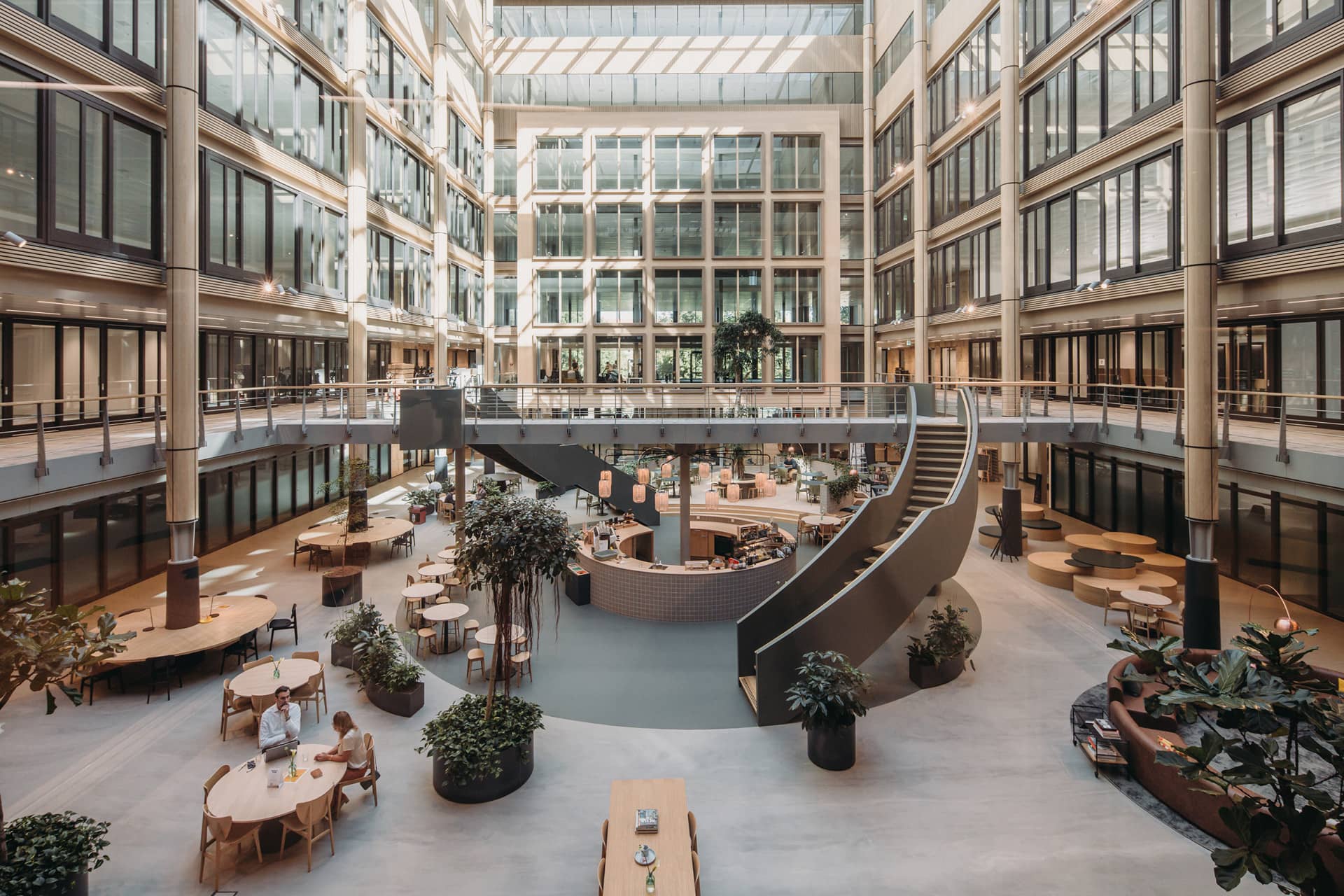
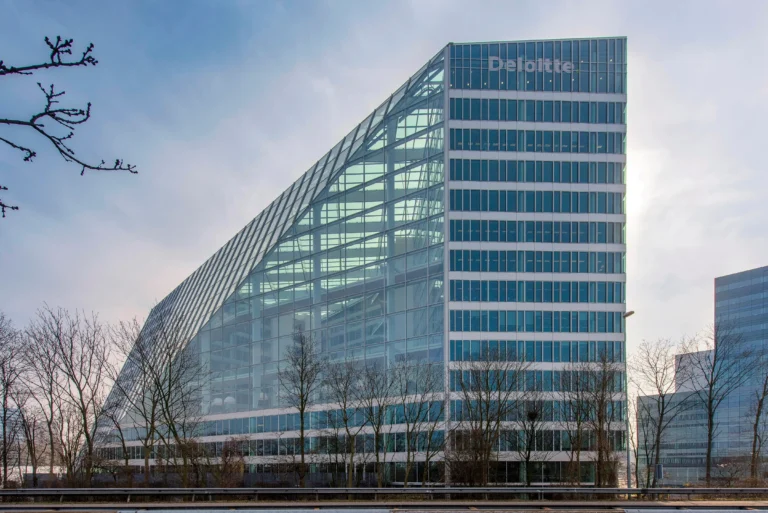
The Edge in Amsterdam is often called the world’s greenest office building. Designed with advanced sustainability features, it uses solar energy, rainwater harvesting, and an intelligent lighting system powered by IoT technology.
This project demonstrates how sustainable design can transform the workplace. Tenants benefit from lower utility costs, healthier indoor environments, and cutting-edge technology integration. The Edge has set a benchmark for how eco-friendly real estate can be both functional and futuristic.
2. Bosco Verticale in Milan
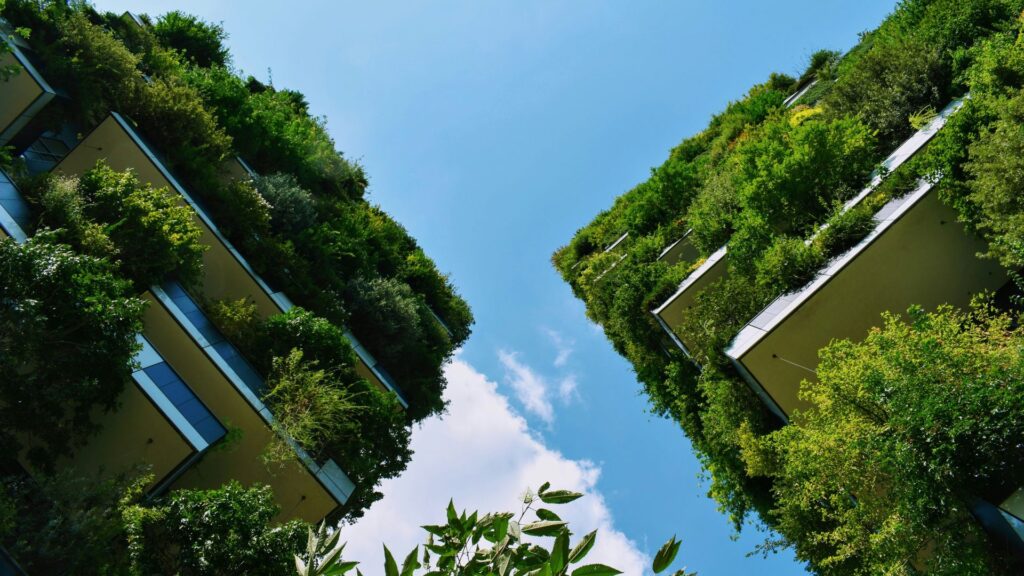
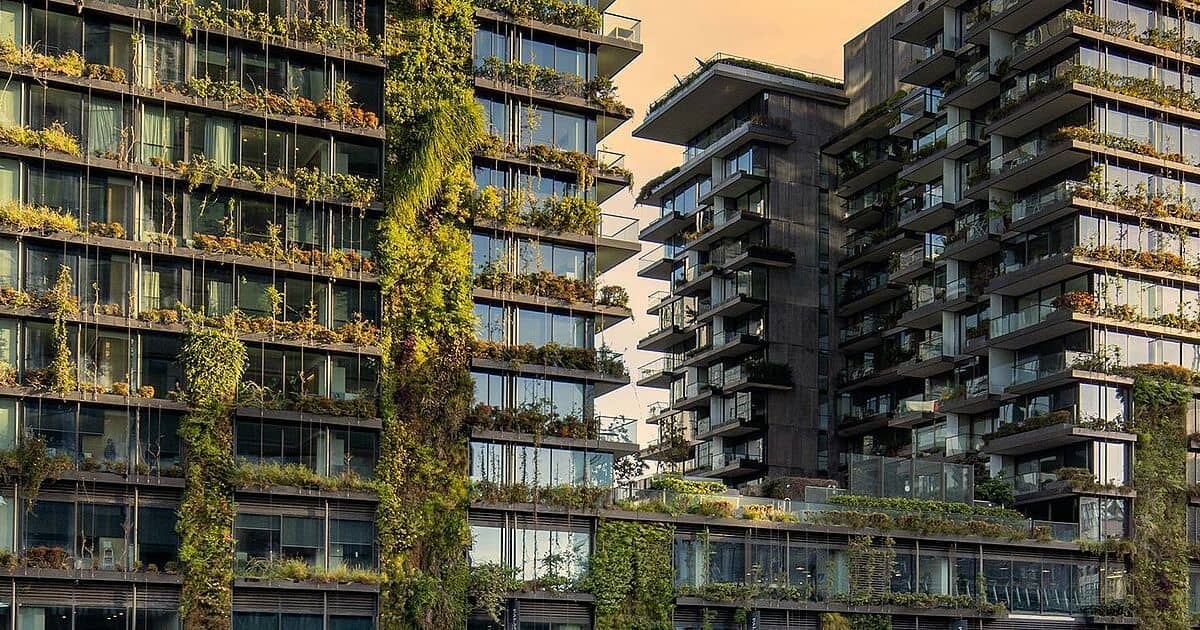
Bosco Verticale, or “Vertical Forest,” is a pair of residential towers in Milan that incorporate more than 900 trees and thousands of plants directly into the building’s architecture. This project reimagines sustainability by merging nature with urban living.
The greenery absorbs CO₂, reduces air pollution, and regulates building temperatures. Residents enjoy improved air quality, reduced noise pollution, and a unique connection to nature in the heart of a bustling city. Bosco Verticale is a prime example of how real estate and sustainability can create living ecosystems within urban landscapes.
3. One Central Park in Sydney
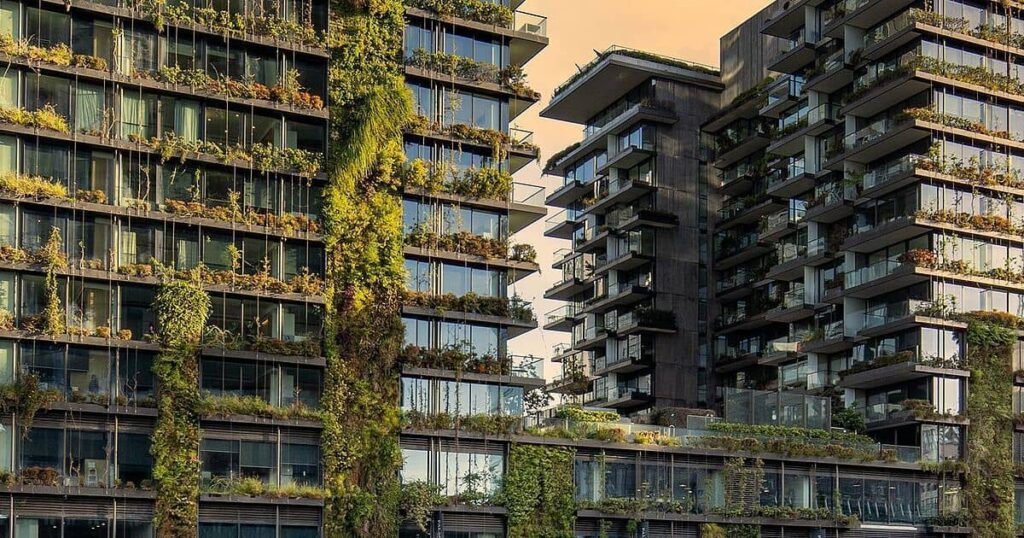
One Central Park in Sydney is another landmark sustainable project. The building incorporates vertical gardens, solar power, and a heliostat that reflects natural sunlight into shaded areas of the complex.
Beyond aesthetics, the project reduces energy use and supports biodiversity in an urban environment. The design also improves the well-being of residents by blending natural elements with cutting-edge architecture. It proves that sustainability can enhance both urban quality of life and property value.
4. Bullitt Center in Seattle
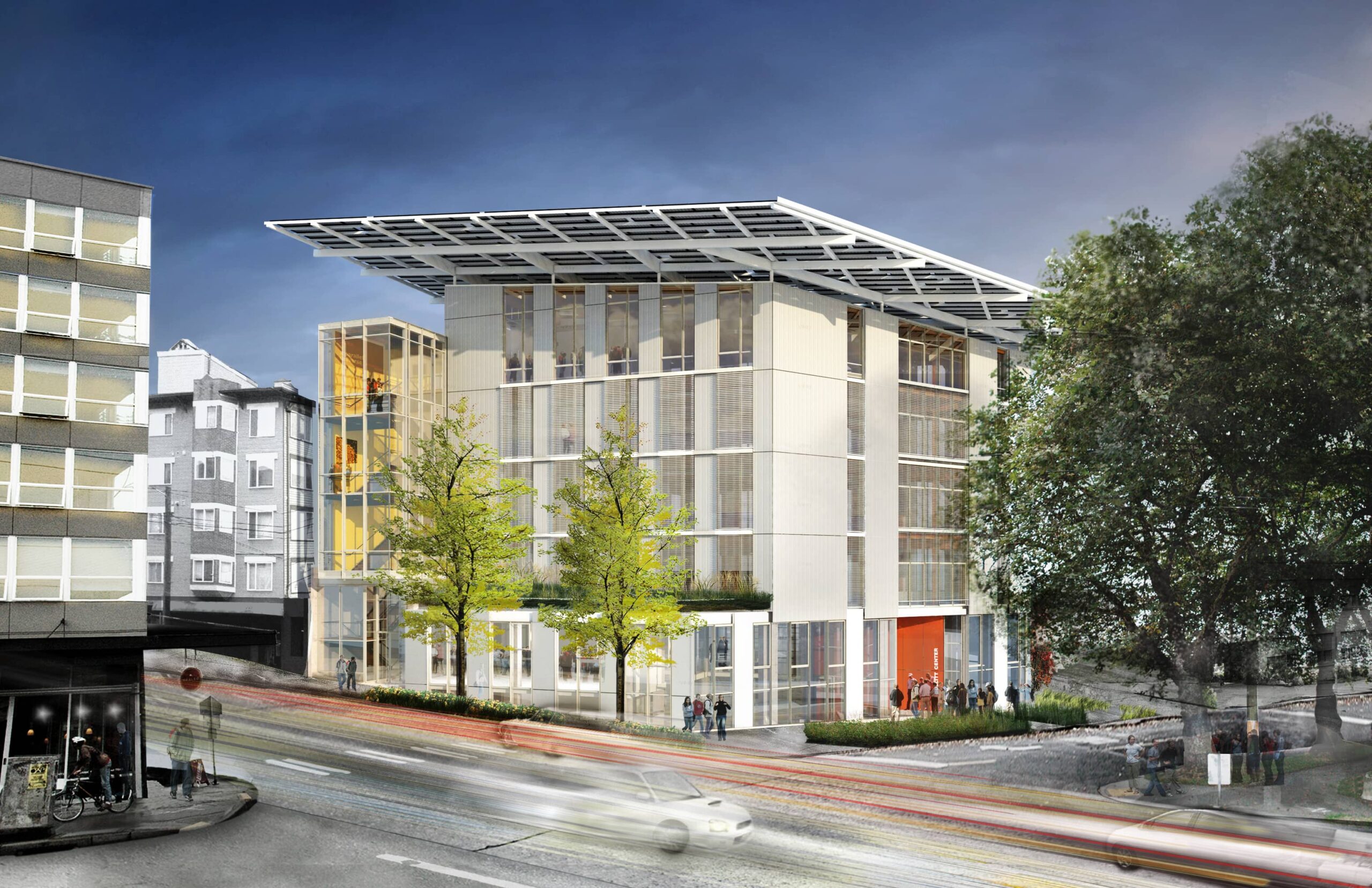
Often referred to as the “greenest commercial building in the world,” the Bullitt Center in Seattle is built to last 250 years. It generates its own energy through solar panels, collects rainwater for use, and uses composting toilets to minimize waste.
This project pushes the boundaries of sustainable real estate, showing that buildings can operate as self-sufficient systems. By prioritizing durability and efficiency, the Bullitt Center highlights how sustainability can align with long-term resilience.
Benefits of Sustainability in Real Estate
Sustainability in real estate offers wide-reaching benefits that extend far beyond reducing emissions:
-
Environmental Benefits: Lower carbon footprint, reduced energy and water consumption, and better waste management.
-
Economic Benefits: Energy-efficient buildings reduce operating costs, increase property values, and attract green-conscious investors.
-
Health Benefits: Sustainable designs improve indoor air quality, natural lighting, and access to green spaces, enhancing occupant well-being.
-
Social Benefits: Sustainable real estate promotes community resilience, supports green jobs, and contributes to global climate goals.
These combined benefits illustrate why sustainability is no longer optional but essential for the future of real estate.
Practical Use Cases of Sustainable Real Estate
Meeting Climate Goals
Cities worldwide have pledged to cut carbon emissions. Real estate sustainability initiatives-such as solar panels, green roofs, and water recycling-help urban areas meet these commitments while improving livability.
Improving Affordability and Long-Term Value
While sustainable buildings may require higher initial investment, they deliver significant savings through lower operating costs and maintenance. This makes them more affordable in the long run for both owners and tenants.
Attracting Tenants and Buyers
Eco-conscious consumers increasingly prefer sustainable properties. Developers who invest in green features often see faster leasing, higher occupancy rates, and greater resale value.
Frequently Asked Questions
Q1. What does sustainability mean in real estate?
Sustainability in real estate refers to designing, constructing, and managing properties in ways that minimize environmental impact, conserve resources, and promote long-term value. This includes energy efficiency, renewable energy adoption, and eco-friendly materials.
Q2. Why is sustainable real estate important?
Sustainable real estate reduces the industry’s contribution to climate change while delivering financial, environmental, and social benefits. It creates healthier living spaces, lowers operating costs, and helps cities achieve climate commitments.
Q3. What are examples of sustainable real estate projects?
Examples include The Edge in Amsterdam, Bosco Verticale in Milan, One Central Park in Sydney, and the Bullitt Center in Seattle. Each project demonstrates how innovative design and technology can merge sustainability with modern real estate development.