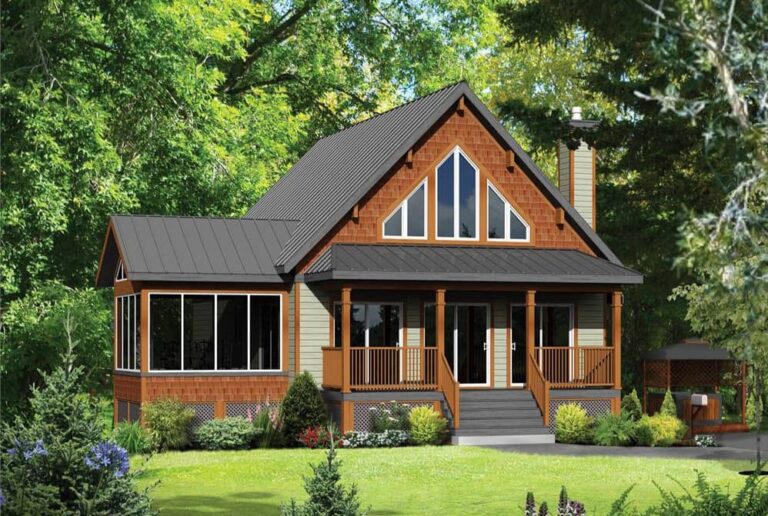
Residential Rental Properties A Complete Guide to Smart Renting and Investment
Residential rental properties are a cornerstone of modern real estate, serving as homes for millions of tenants while offering stable income streams for property owners. With growing urbanization, increasing demand for flexible living arrangements, and advancements in technology, rental properties have become more important than ever in today’s housing market.
This guide explores the concept of residential rental properties in depth, covering what they are, why they matter, how technology is reshaping the sector, real-world examples, key benefits, and practical use cases.
Understanding Residential Rental Properties
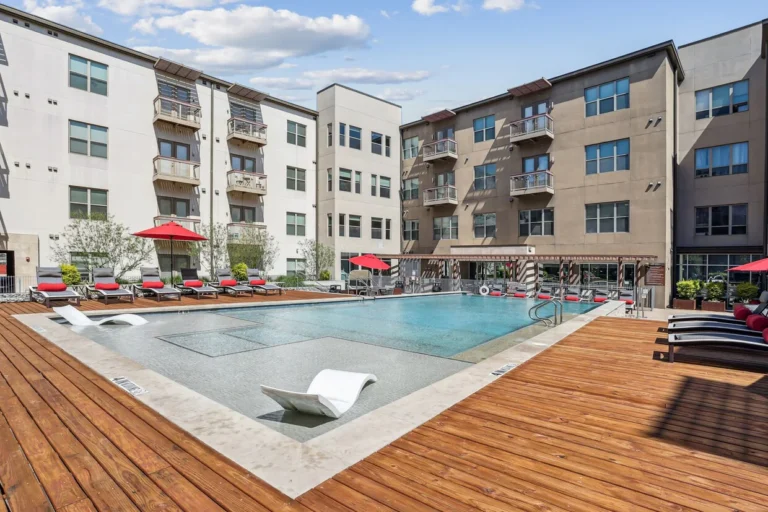
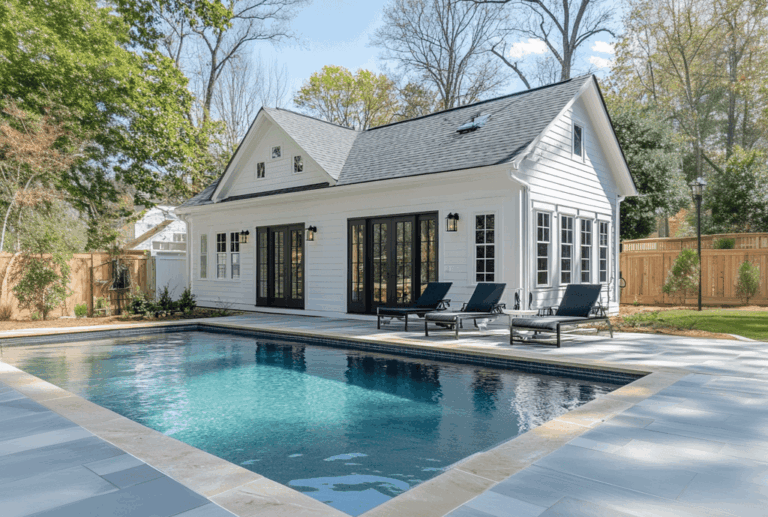
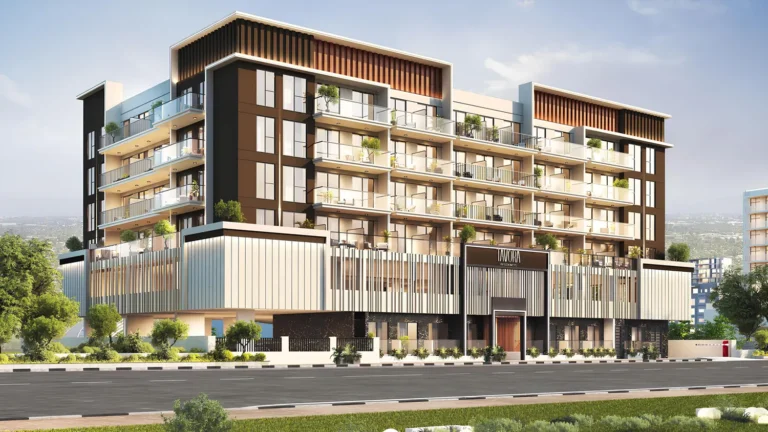
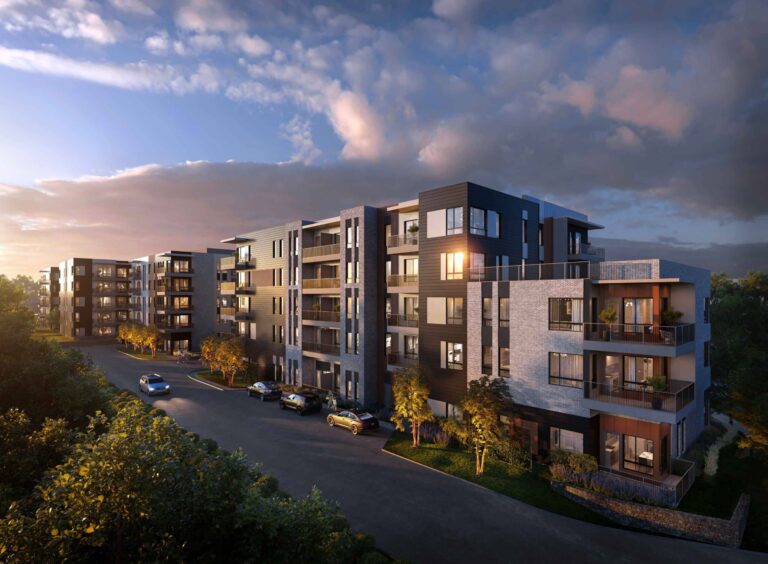
Residential rental properties refer to housing units leased by tenants in exchange for regular rent payments. These properties can include apartments, condominiums, townhouses, or single-family homes. Unlike commercial properties, which are designed for businesses, residential rental units focus on providing comfortable living spaces.
The appeal of rental properties lies in their flexibility. Tenants are not tied down to long-term ownership, and property owners can generate recurring income without selling their assets. For many, renting provides access to desirable locations, modern amenities, and community living without the significant financial burden of buying a home.
Residential rental properties also play a critical role in urban development. They support mobility by allowing people to live near workplaces, schools, and transportation hubs. This balance makes them essential for individuals who prioritize convenience and affordability.
Why Residential Rental Properties Are in High Demand
The demand for residential rental properties continues to grow globally, and there are several reasons for this trend.
Firstly, affordability is a major factor. With rising real estate prices, many individuals and families cannot afford to purchase a home outright. Renting provides a cost-effective alternative that requires lower upfront costs.
Secondly, lifestyle flexibility appeals to modern renters. People who frequently relocate for work or education benefit from rental properties that do not lock them into permanent commitments.
Finally, residential rental properties meet the needs of diverse demographics—from students and young professionals to retirees seeking low-maintenance living. This versatility ensures that rental housing remains relevant across generations.
The Role of Technology in Residential Rental Properties
Technology has revolutionized the way residential rental properties are built, managed, and experienced.
For tenants, property search platforms and apps have simplified the rental process. Prospective renters can now view high-quality images, virtual tours, and detailed listings online, reducing the time spent on physical visits.
For landlords and property managers, digital solutions streamline operations. Online rent payment portals, automated maintenance requests, and tenant communication platforms improve efficiency and reduce administrative tasks.
Smart home technologies are also becoming more common in rental units. Features like smart locks, app-controlled thermostats, and energy-efficient systems add convenience while lowering utility costs. This not only benefits tenants but also makes properties more attractive and competitive in the rental market.
Real-World Examples of Residential Rental Properties
1. Urban Heights Apartments
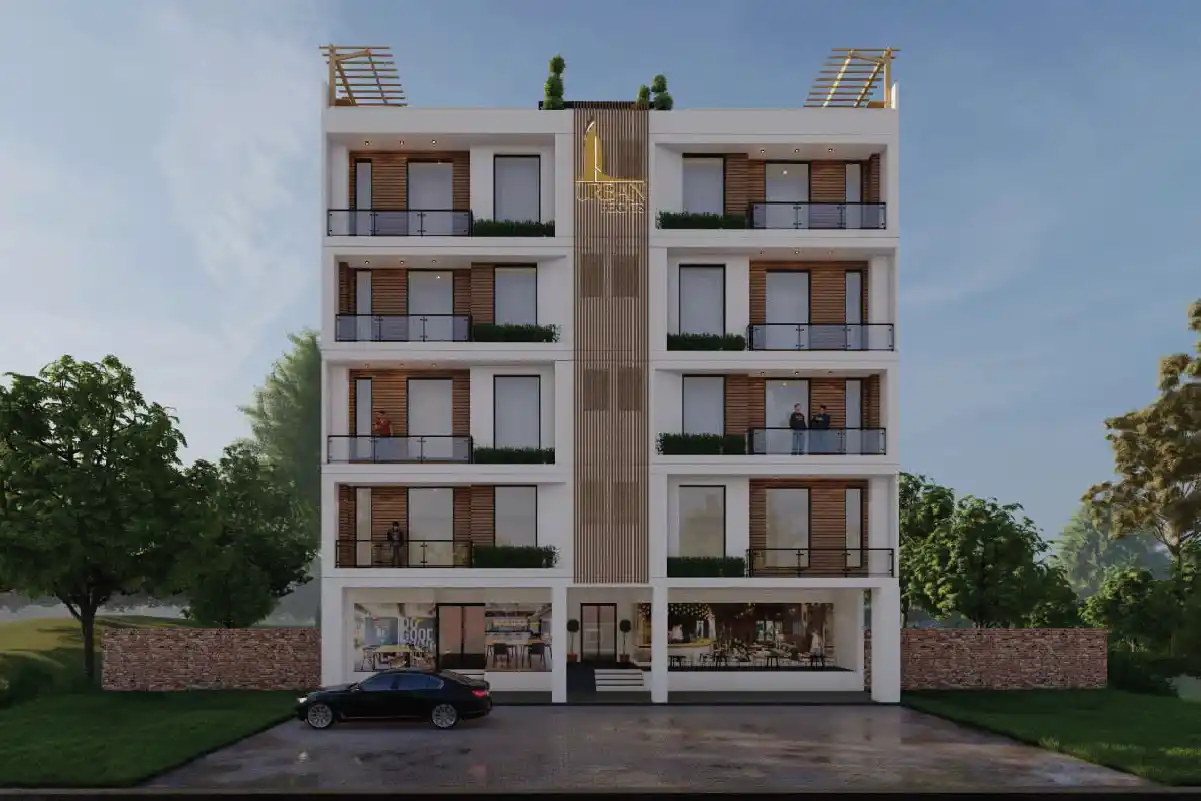
Urban Heights is a high-rise apartment complex located in a metropolitan city center. The development offers modern interiors, coworking lounges, and rooftop amenities. Its proximity to business districts makes it popular among young professionals seeking work-life balance.
The relevance of Urban Heights lies in how it addresses the needs of the urban workforce. By combining convenience, lifestyle perks, and flexible rental options, it showcases the value of well-designed residential rental properties in city environments.
2. Lakeside Townhomes
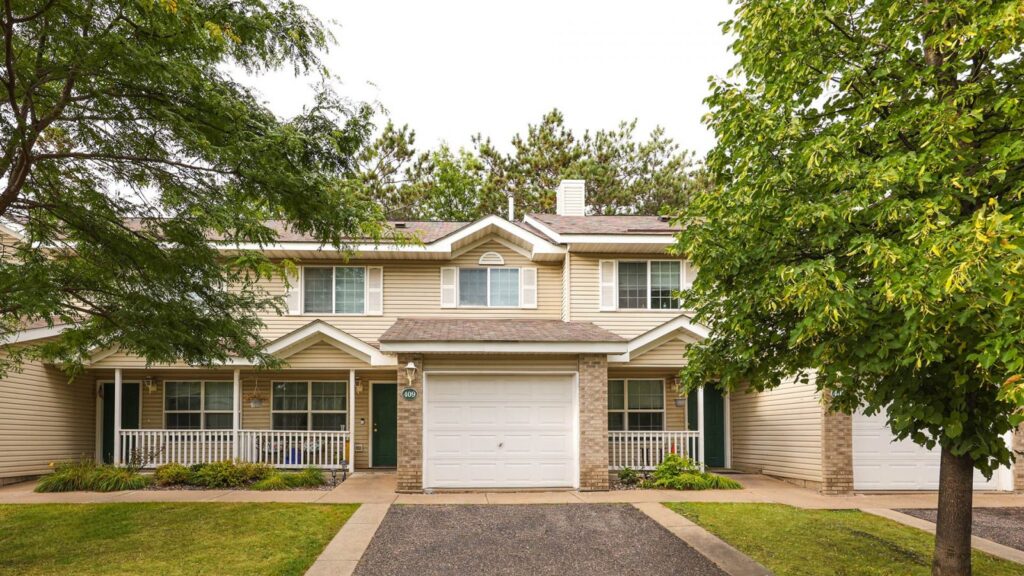
Lakeside Townhomes cater to families seeking larger living spaces within rental communities. Each unit features multiple bedrooms, private outdoor areas, and shared community facilities like playgrounds and fitness centers.
This example highlights how it can serve family-oriented needs. By offering spacious layouts and safe environments, developments like Lakeside Townhomes bridge the gap between renting and traditional homeownership.
3. Student Living Residences
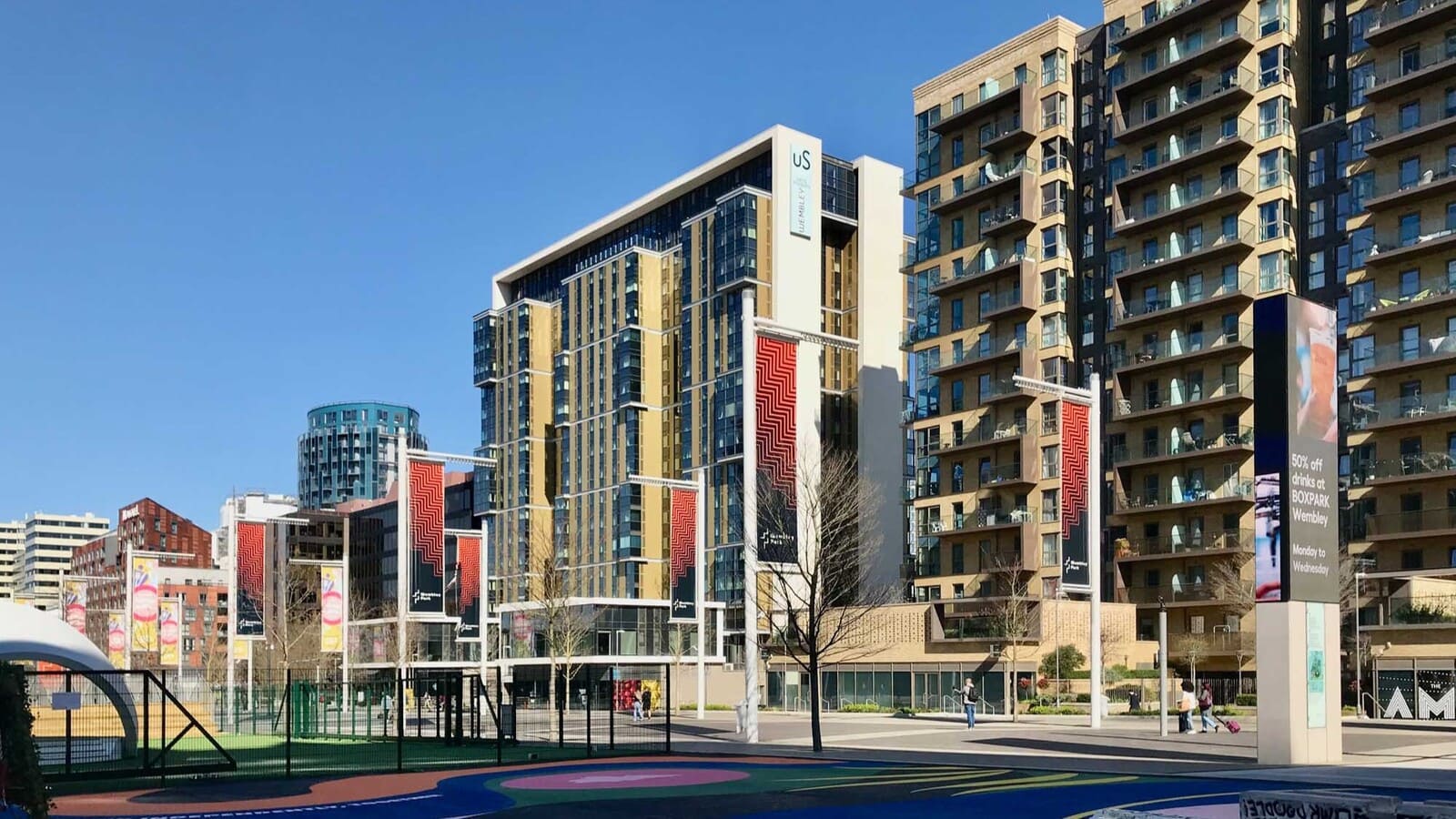
Student Living Residences are designed for university students. Units are compact, furnished, and strategically located near campuses. Amenities such as study lounges, high-speed internet, and laundry facilities support student lifestyles.
The significance of this example is how rental properties adapt to niche markets. By focusing on affordability, convenience, and academic support, student housing illustrates the versatility of residential rental developments.
4. Retirement Villas Community
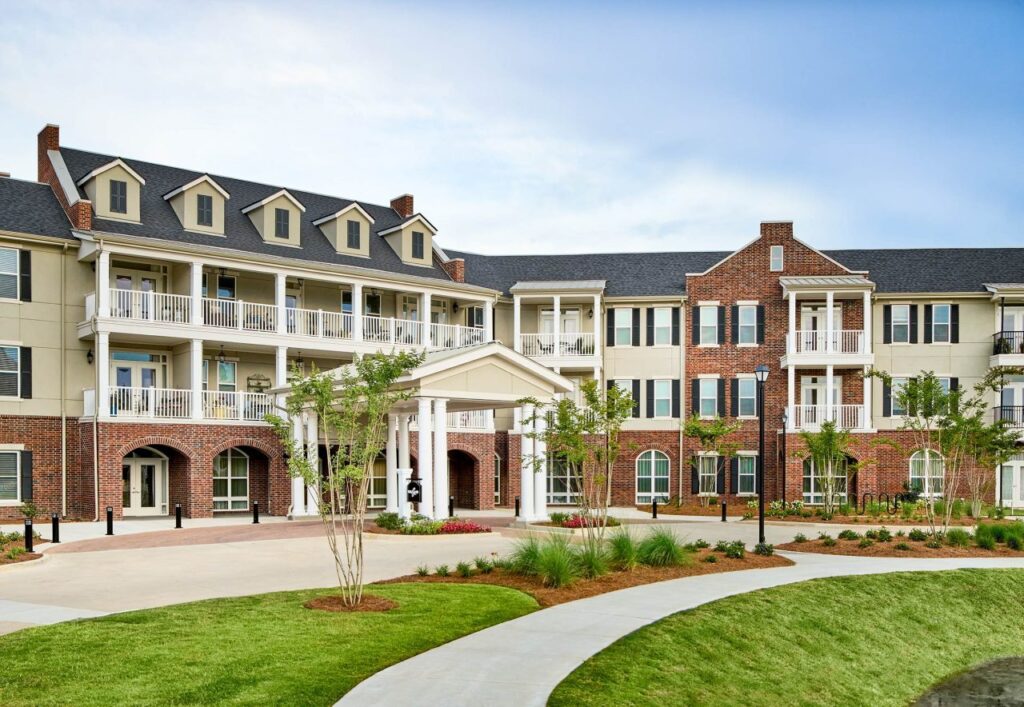
Retirement Villas provide rental options tailored for retirees. These communities include single-story homes with accessible designs, healthcare access points, and social activity centers. Security and maintenance support are also prioritized.
This example demonstrates how rental properties can meet the unique needs of aging populations. By offering independence alongside safety and community, retirement-focused rentals play an important role in long-term housing solutions.
Benefits of Residential Rental Properties
Residential rental properties offer benefits to both tenants and property owners.
For tenants, renting provides financial flexibility, reduced maintenance responsibilities, and access to prime locations. Rental agreements also allow individuals to adjust their housing as their circumstances change, whether due to work relocation, family growth, or lifestyle shifts.
For property owners, rental properties represent a steady income stream and a long-term investment opportunity. Owners benefit from appreciating property values while generating rental revenue. With proper management, rental properties can deliver consistent returns while maintaining asset value.
Additionally, community-based rental developments promote social interaction, shared amenities, and enhanced security, enriching the tenant experience.
Use Cases of Residential Rental Properties in Real Life
For Students
Students benefit from affordable rentals close to campuses, reducing commuting times and providing supportive environments with shared study spaces and facilities.
For Young Professionals
Rental properties near urban centers allow professionals to minimize commuting and enjoy modern amenities that support their busy lifestyles.
For Families
Family-oriented rentals provide larger spaces, community facilities, and safe environments, making them suitable alternatives to homeownership.
For Retirees
Retirees on fixed incomes often prefer rental properties with low-maintenance living, healthcare proximity, and community engagement opportunities.
For Investors
Investors gain steady income streams and long-term value appreciation through well-located properties, making them a resilient real estate asset.
Frequently Asked Questions
Q1. What types of properties fall under residential rental properties?
Include apartments, condominiums, townhouses, and single-family homes that are leased to tenants for residential use.
Q2. How does technology improve the rental experience?
Technology enhances the rental experience by providing online platforms for property searches, enabling digital rent payments, and offering smart home features that increase comfort and efficiency.
Q3. Are residential rental properties a good investment?
Yes, they are generally considered strong investments. They provide consistent rental income, long-term appreciation, and resilience in changing market conditions.