Smart Home Installation Complete Guide to Modern Home Automation in 2025
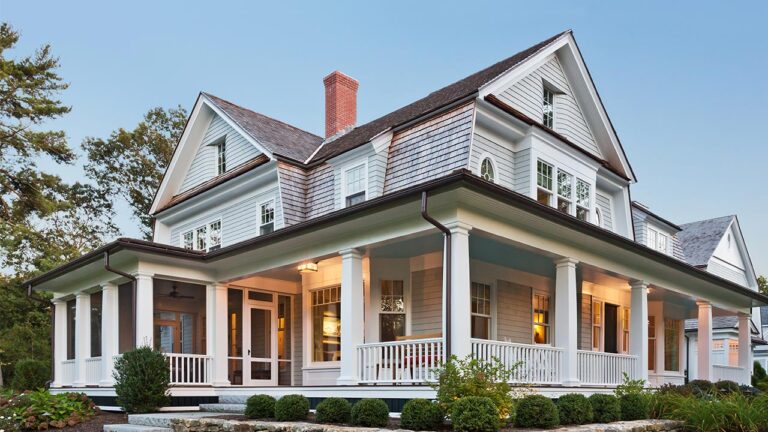
Smart home installation refers to the process of integrating advanced technologies such as smart lighting, security systems, thermostats, and voice-controlled devices into a residential property. Unlike simple DIY devices, full installations involve connecting multiple systems into a single ecosystem that can be managed through smartphones, tablets, or voice assistants.
This trend has grown rapidly as homeowners seek convenience, security, and energy efficiency. With the rise of the Internet of Things (IoT), homes are no longer static living spaces but dynamic environments that adapt to user needs. A professionally planned smart home installation ensures devices communicate seamlessly, offering a holistic experience.
Why Smart Home Installation Matters Today
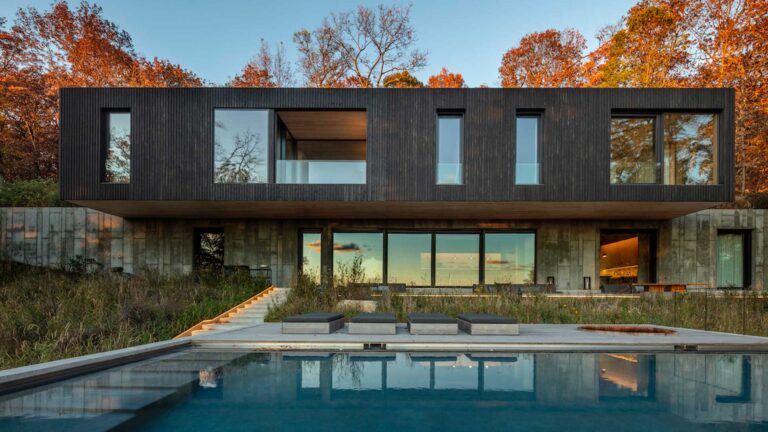
The modern home is no longer just about aesthetics or location-it’s about functionality and intelligence. A smart home installation brings together multiple devices that can improve quality of life while also enhancing property value. Many buyers now consider smart features as essentials, not luxuries.
Additionally, with energy costs and security concerns on the rise, installing smart systems helps homeowners save money and feel safer. This dual advantage makes smart installations an important factor for future-proofing homes.
Core Components of Smart Home Installation
Smart Lighting Systems
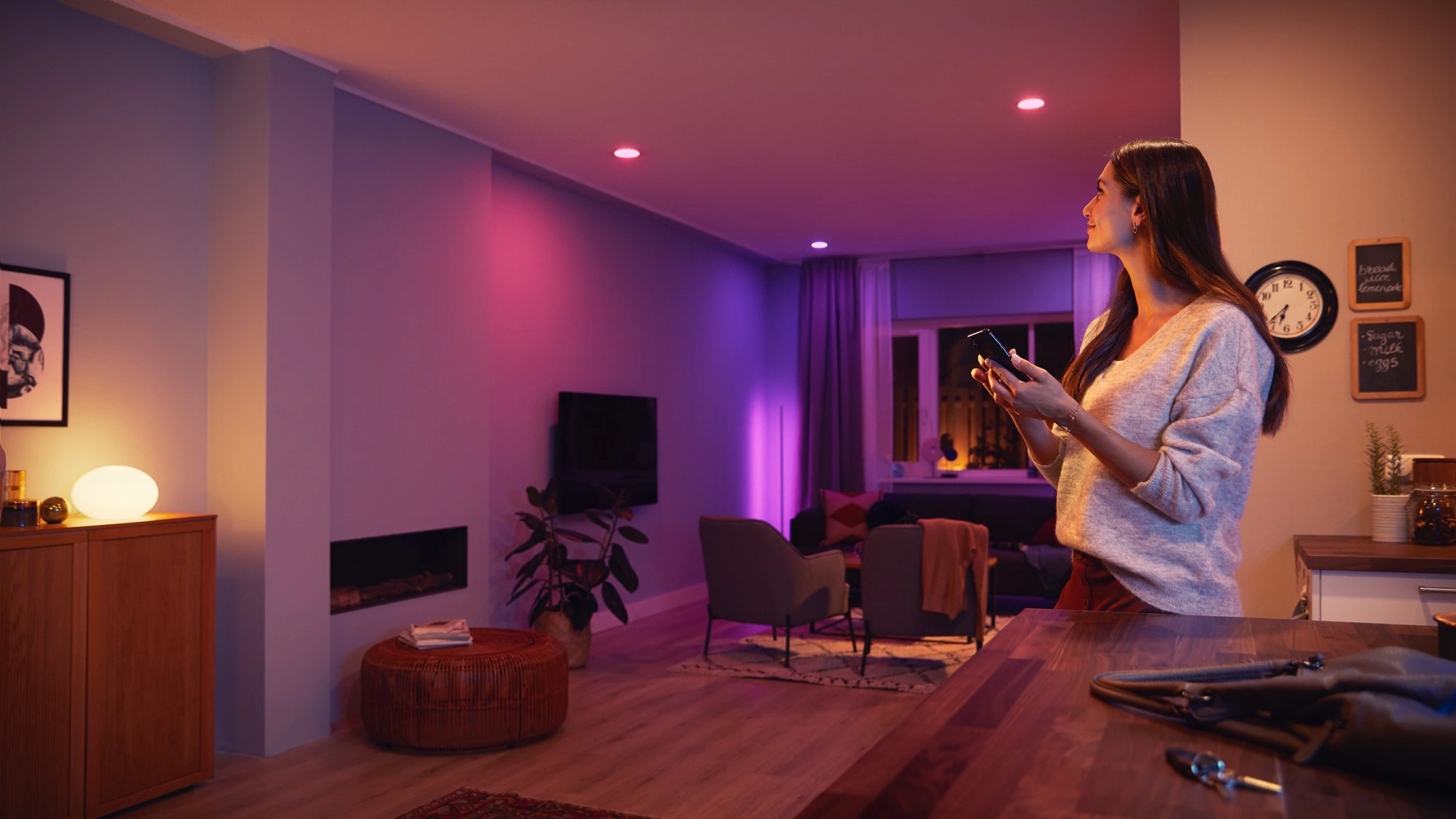
Smart lighting allows homeowners to automate when and how lights turn on, adjust brightness, and even change colors to set the mood. These systems can be managed remotely, reducing energy waste while adding convenience.
When integrated with motion sensors, smart lighting ensures rooms are illuminated only when needed, further enhancing efficiency. This is particularly valuable in large homes or commercial-style residences.
Smart Security Systems
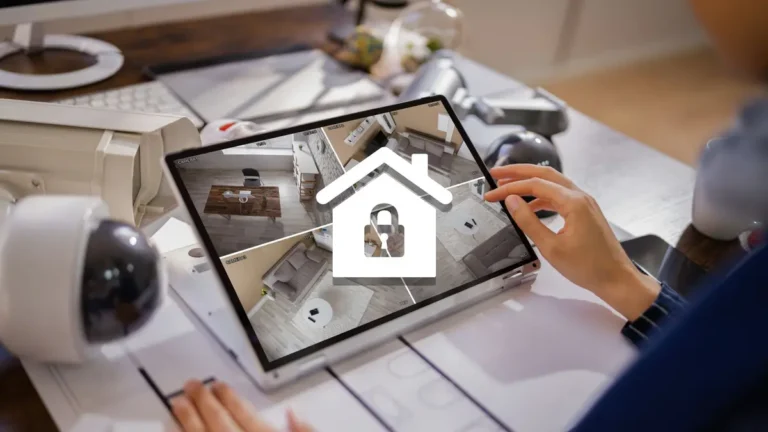
Modern installations often include security cameras, smart door locks, and alarm systems. These tools provide real-time alerts to homeowners’ phones, ensuring quick responses to any suspicious activity.
The ability to remotely check camera feeds or grant access through digital locks adds both peace of mind and practical convenience. Security has become one of the top reasons homeowners invest in smart home installations.
Smart Thermostats and Climate Control
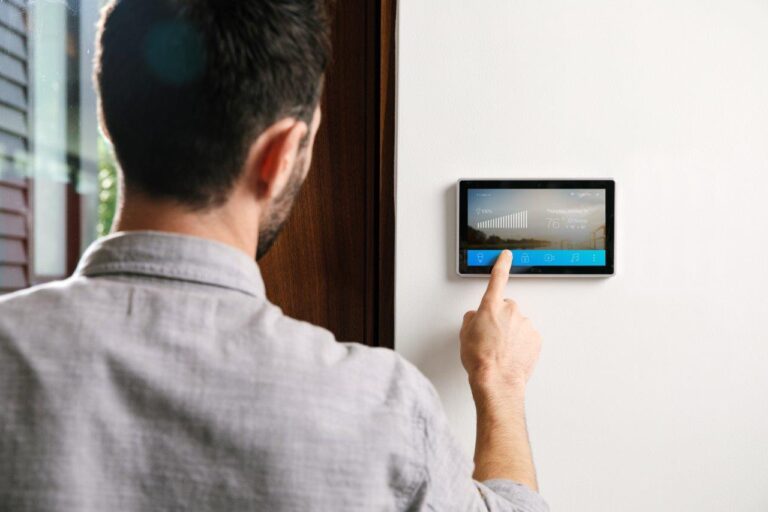
Climate control is one of the biggest energy expenses in any household. Smart thermostats learn household patterns and automatically adjust temperatures to maintain comfort while reducing unnecessary energy use.
When paired with weather forecasts and occupancy sensors, smart thermostats can lower bills significantly. They also contribute to environmental sustainability by minimizing energy waste.
Real-World Examples of Smart Home Installation Products
1. Nest Learning Thermostat
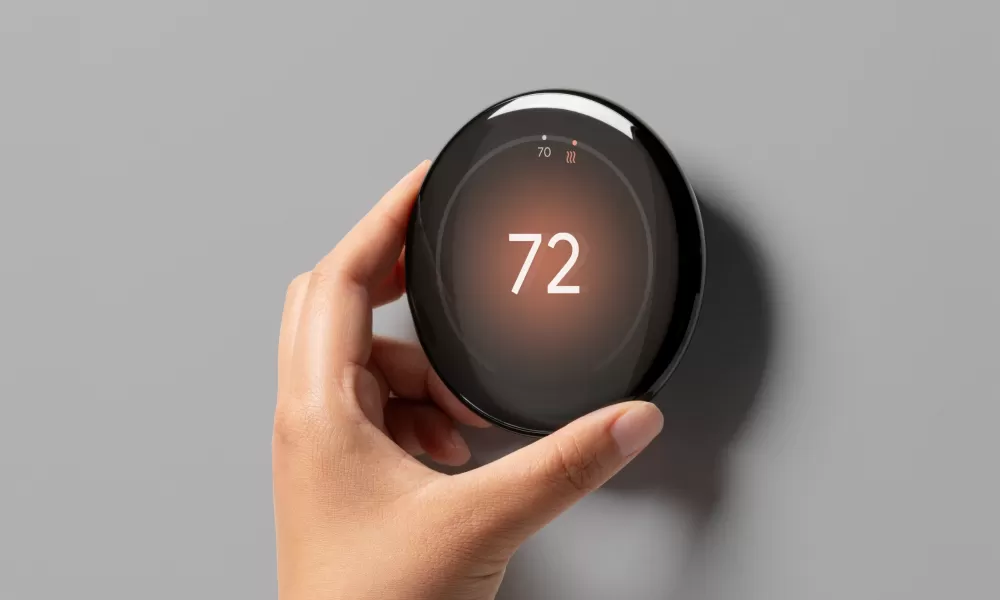
The Nest Learning Thermostat is one of the most recognized smart devices for home installations. It learns homeowners’ routines and automatically creates heating and cooling schedules, maximizing efficiency.
Its integration with other smart systems, such as Google Home, makes it part of a larger ecosystem that includes lighting, security, and entertainment. This type of device demonstrates how one installation can influence the entire household’s energy footprint.
2. Ring Video Doorbell Pro
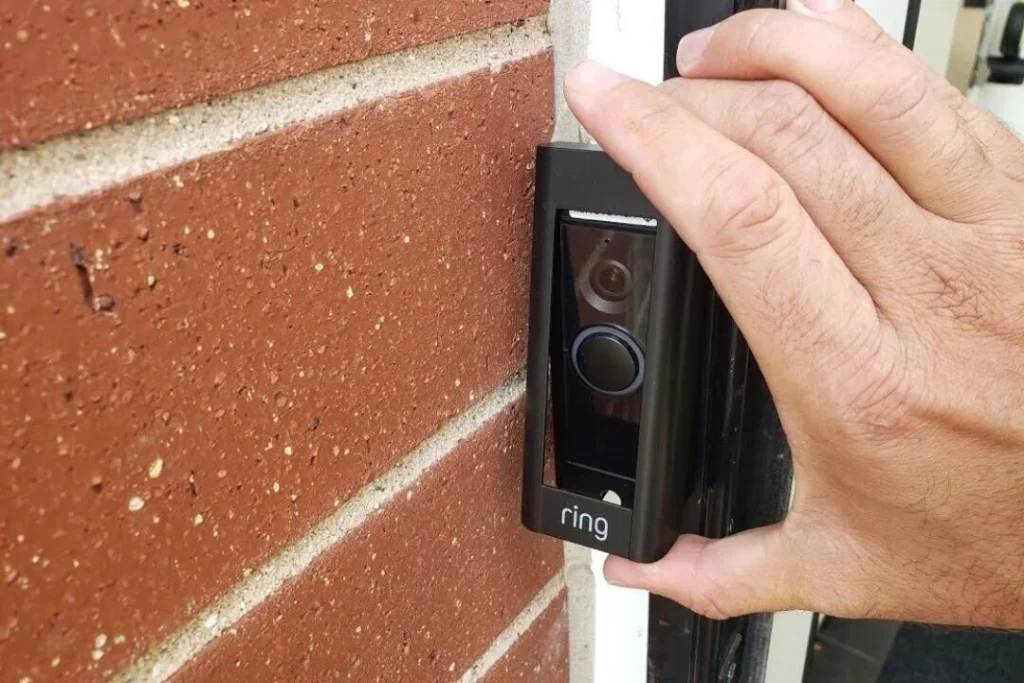
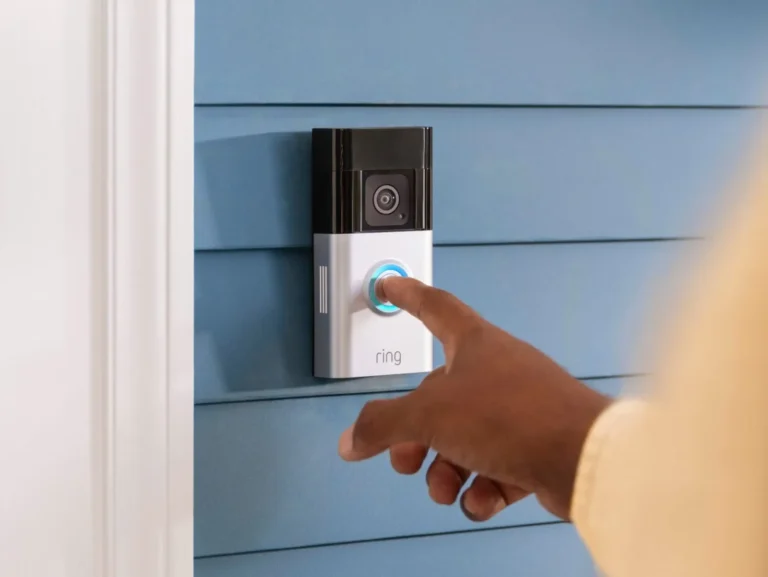
This product has transformed how homeowners interact with visitors. By combining video, two-way audio, and motion detection, the Ring Video Doorbell Pro adds an extra layer of security to a smart home installation.
The relevance lies in its ability to deter intruders while also providing convenience. Whether you’re home or away, you can answer the door from your phone, ensuring constant control over your property.
3. Philips Hue Smart Lighting
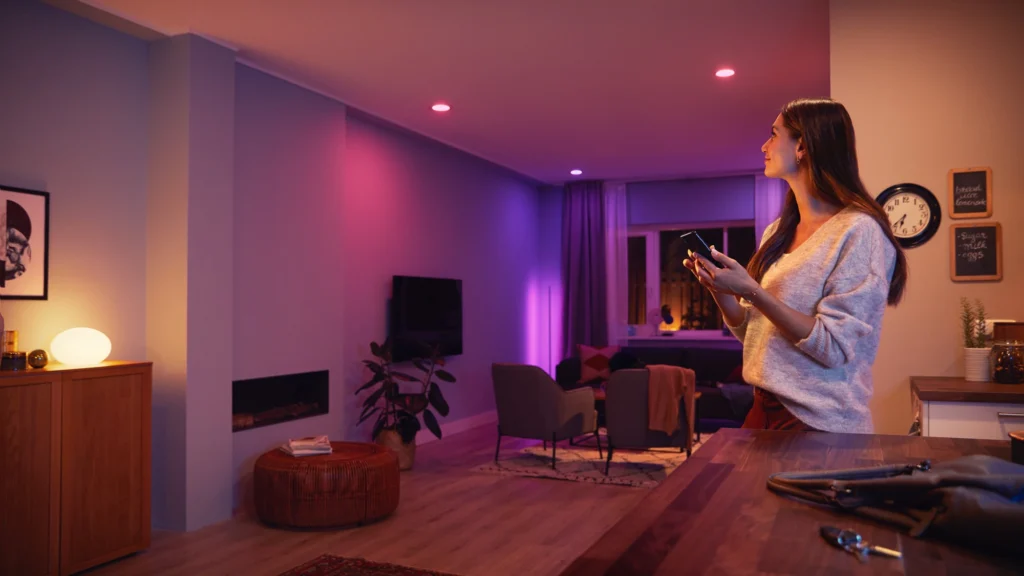
Philips Hue lighting systems are versatile and easily integrated into larger smart ecosystems. They allow homeowners to schedule lighting, create ambiance, and even sync with music or movies for entertainment.
The practical relevance of Philips Hue lies in its dual focus on energy savings and lifestyle enhancement, making it a staple in many smart home installations.
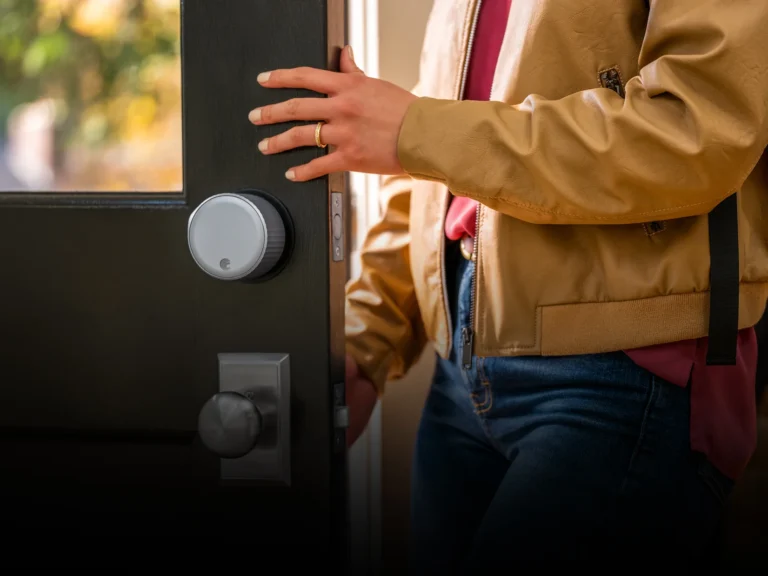
4. August Smart Lock
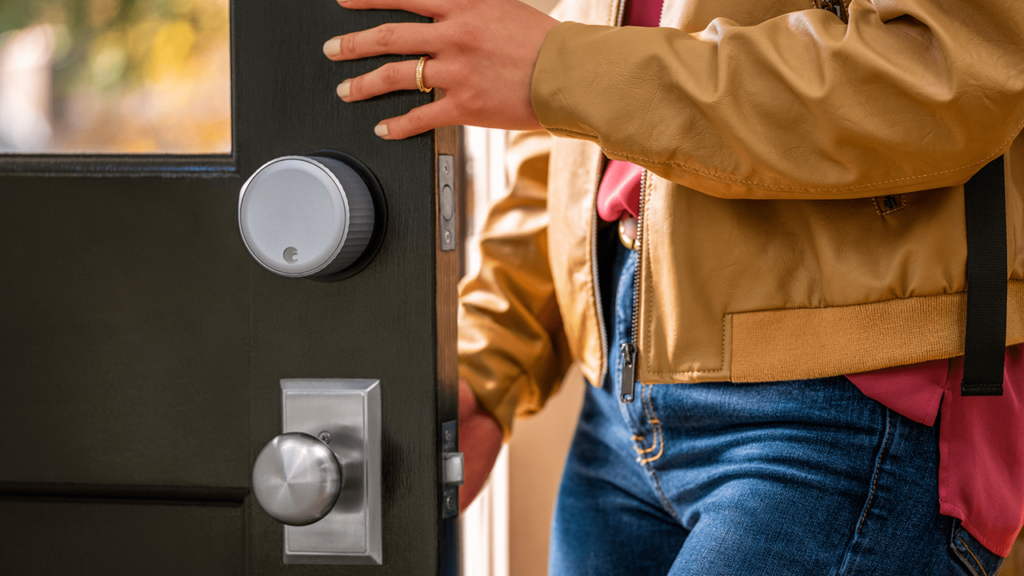
The August Smart Lock provides keyless entry that can be managed through smartphones or voice assistants. It integrates with home security systems and can automatically lock or unlock doors based on proximity.
Its real-world relevance is clear in enhancing both security and convenience, allowing homeowners to grant digital access to family or trusted visitors without physical keys.
Benefits of Smart Home Installation
Smart home installations go beyond luxury-they deliver practical advantages that impact daily life.
Enhanced Security
With interconnected devices like smart locks, motion sensors, and surveillance cameras, homeowners enjoy stronger protection. Alerts can be sent instantly to a phone, reducing response time in emergencies.
Energy Efficiency
Automated climate control, lighting schedules, and smart appliances significantly reduce unnecessary power usage. Over time, this translates to lower bills and a reduced carbon footprint.
Convenience and Lifestyle Improvement
From adjusting lights with your voice to scheduling appliances, convenience is one of the greatest benefits. Smart installations free up time and reduce everyday hassles.
Property Value Increase
As buyers increasingly demand smart features, installing these systems can make a property more attractive in the market. Homes equipped with automation often sell faster and at higher prices.
Use Cases of Smart Home Installation
Problem: Rising Energy Bills
A smart home installation with intelligent thermostats and lighting systems helps reduce waste. Over months, the accumulated savings can be significant for families with high consumption.
Problem: Security Concerns
For neighborhoods with frequent break-ins, installing smart cameras, door locks, and alarms provides reassurance. Homeowners can monitor their property remotely, increasing safety.
Problem: Lifestyle and Accessibility
For elderly individuals or people with mobility challenges, smart home installations offer independence. Voice commands and automated controls simplify daily tasks, improving quality of life.
Frequently Asked Questions
Q1. What is the difference between DIY smart devices and professional smart home installation?
DIY devices usually work individually, while professional installations create a connected system where all devices communicate seamlessly. This results in a more reliable and comprehensive setup.
Q2. Do smart home installations work with all devices?
Not all devices are compatible. However, major platforms like Google Home, Amazon Alexa, and Apple HomeKit ensure broad integration. It’s best to choose devices that align with one ecosystem.
Q3. Is smart home installation worth the cost?
Yes, because it provides long-term savings, improved security, and convenience. The return on investment often includes lower bills and higher property value, making it financially beneficial over time.