Carbon Neutral Homes A Complete Guide to Sustainable Living and Green Housing Solutions
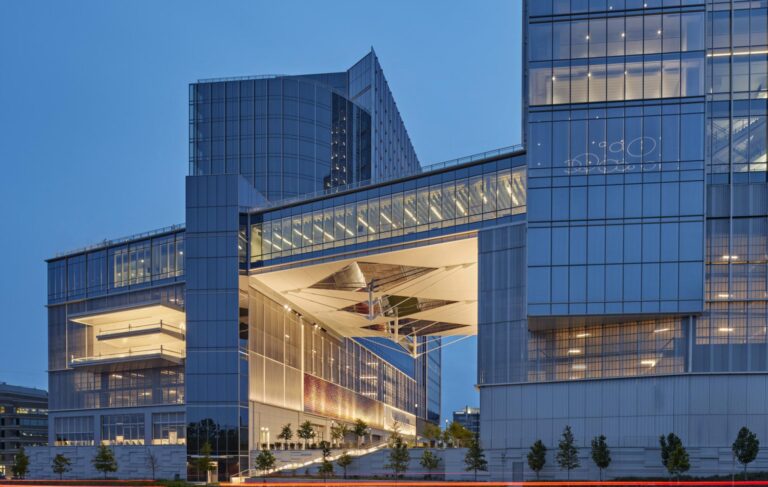
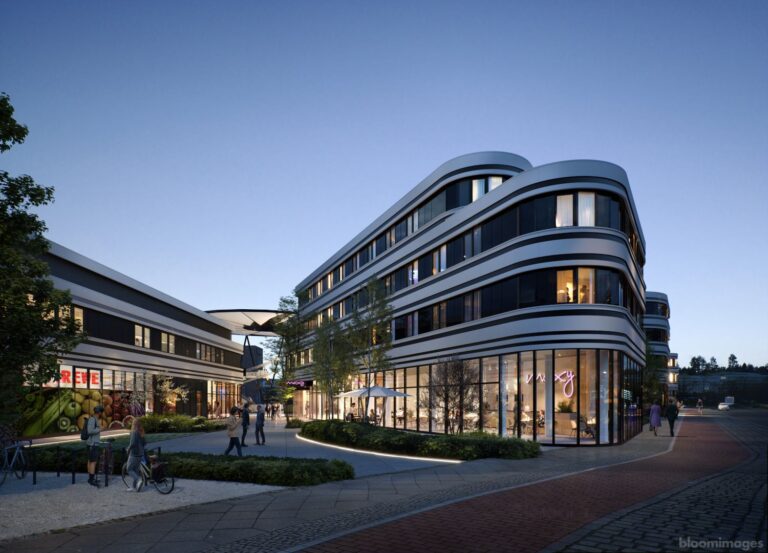
The urgency of climate change has transformed the way homes are built, designed, and lived in. Carbon-neutral homes are at the forefront of this transformation, aiming to reduce or offset greenhouse gas emissions to achieve a balance between energy consumed and energy generated. These homes combine sustainable design, renewable energy, and innovative construction techniques to ensure that they have a minimal impact on the environment.
Carbon-neutral housing is not just an environmental trend; it is a global necessity. With rising concerns over resource depletion, energy costs, and pollution, families and communities are embracing homes that prioritize energy efficiency and long-term sustainability.
What Defines a Carbon Neutral Home?
A carbon-neutral home achieves net-zero carbon emissions over a given period. This is done by reducing the energy demand of the home through efficient design, using renewable energy sources, and offsetting any remaining emissions.
Unlike traditional homes, which are often reliant on fossil fuels, carbon-neutral homes prioritize clean energy and resource conservation. They are built with materials that have low embodied carbon, use smart technology to monitor consumption, and integrate with sustainable systems like solar and wind power.
Key Features of Carbon Neutral Homes
Energy-Efficient Design
This often includes passive solar heating, airtight construction, high-performance insulation, and advanced glazing to maintain indoor temperature without relying heavily on mechanical systems.
Renewable Energy Integration
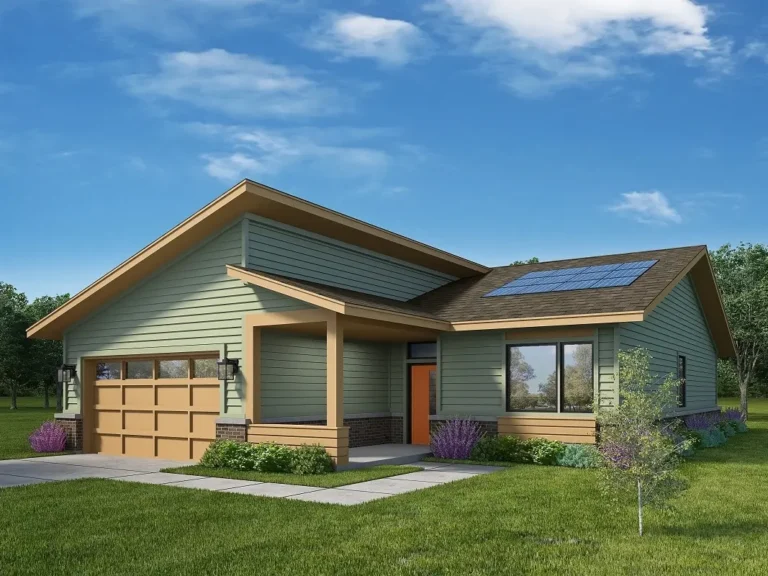
One of the cornerstones of carbon-neutral housing is renewable energy. Solar panels, small-scale wind turbines, and geothermal systems are common solutions used to generate clean energy onsite. Battery storage systems are often included to maximize energy reliability.
Sustainable Building Materials
The construction of carbon-neutral homes relies on sustainable materials such as reclaimed wood, recycled steel, bamboo, and non-toxic finishes. This ensures that even the building process contributes to reducing carbon emissions.
Smart Technology
Smart meters, automated lighting, and intelligent heating/cooling systems play a key role in managing energy efficiently. These technologies allow residents to monitor and adjust their energy usage in real time.
Real-World Examples of Carbon Neutral Homes
1. The Zero Carbon House, Birmingham, UK
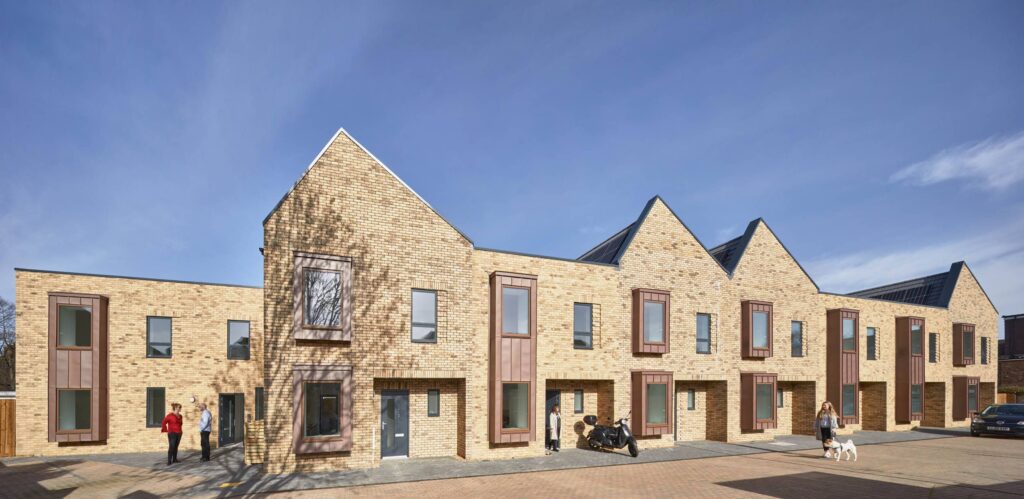
This award-winning home retrofit demonstrates how older properties can be transformed into carbon-neutral dwellings. By upgrading insulation, installing solar panels, and integrating rainwater harvesting systems, the home achieves net-zero emissions.
2. Honda Smart Home, California, USA
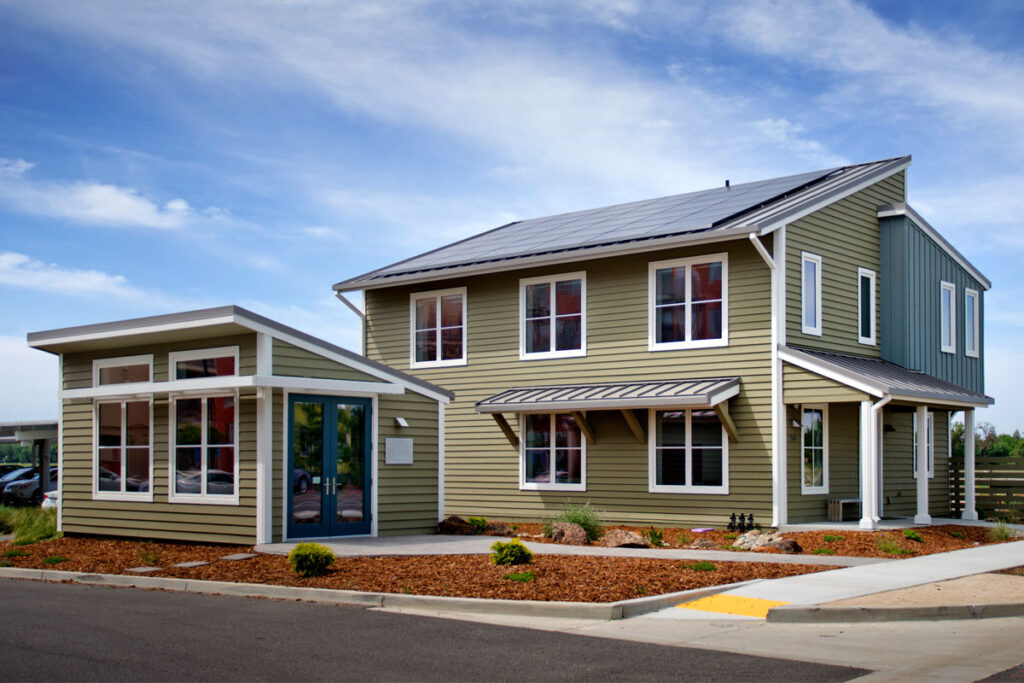
Developed by Honda, this home integrates renewable energy, energy storage, and smart technology to achieve carbon neutrality. The house uses geothermal heating, efficient insulation, and rooftop solar panels to generate more energy than it consumes.
It serves as a model for future smart homes by combining carbon neutrality with cutting-edge automation and comfort for residents.
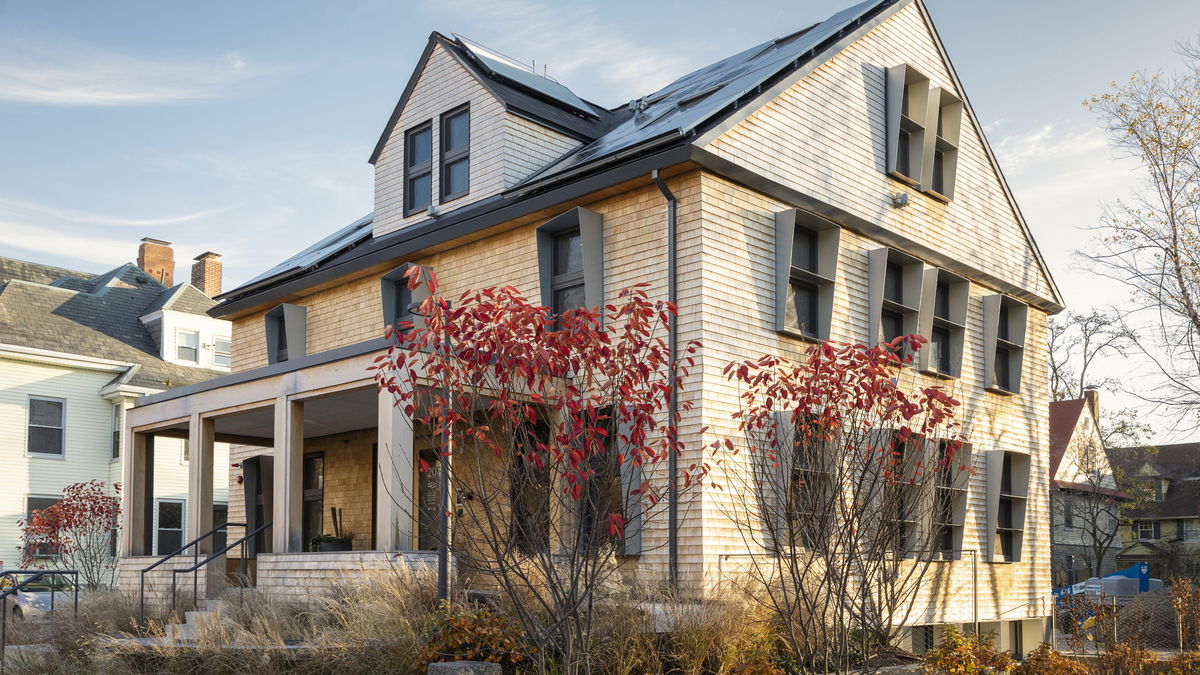
3. HouseZero, Cambridge, USA
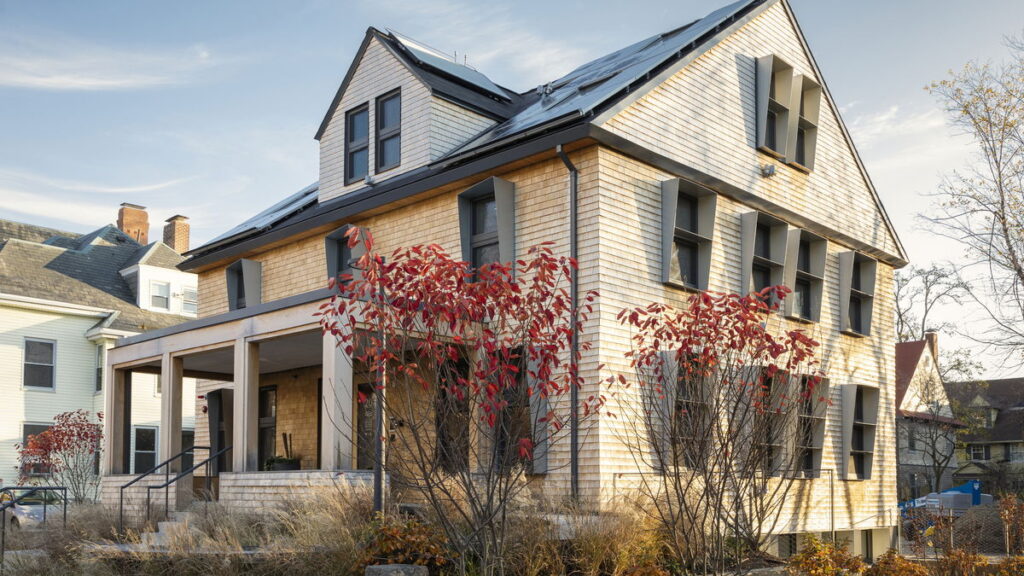
It features natural ventilation, ultra-low energy use, and solar energy generation. This project highlights the potential of adapting traditional architecture into carbon-neutral models while retaining original character.
4. The Desert Rain House, Oregon, USA
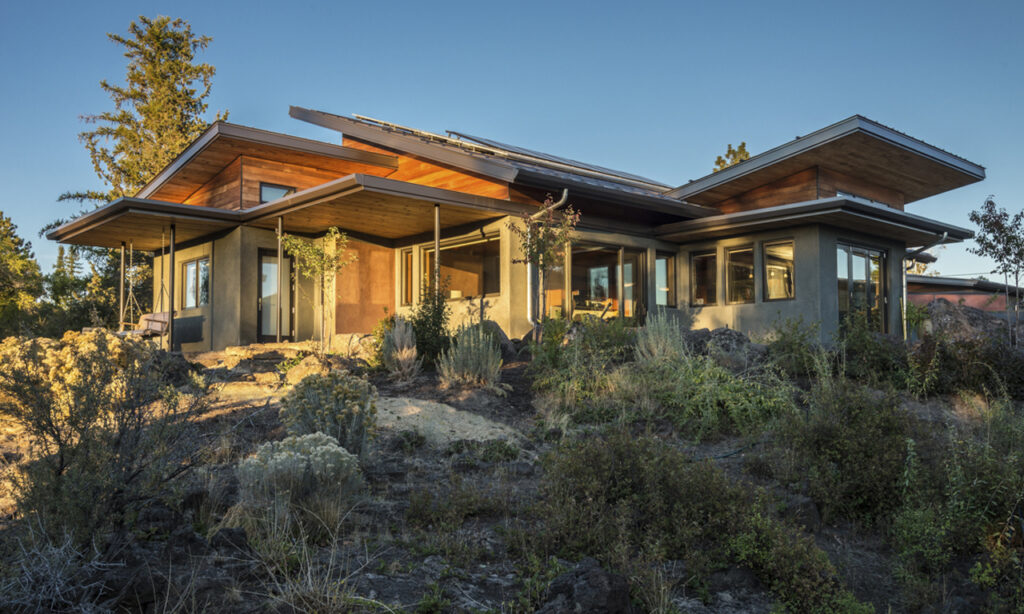
This home is one of the first to meet the rigorous Living Building Challenge, making it not only carbon neutral but also regenerative. It features rainwater harvesting, composting systems, and on-site renewable energy generation.
The project demonstrates how homes can move beyond neutrality to actively contribute to environmental restoration.
Benefits of Carbon Neutral Homes
Environmental Impact
Carbon-neutral homes drastically reduce greenhouse gas emissions, helping combat climate change. They also use fewer natural resources, making them a sustainable option for future generations.
Financial Savings
Although the upfront cost may be higher, homeowners benefit from reduced utility bills and lower maintenance expenses over time. Renewable energy integration often results in long-term financial stability.
Health and Comfort
These homes improve indoor air quality through non-toxic building materials and better ventilation. Access to natural light and consistent indoor temperatures further enhances comfort and well-being.
Long-Term Value
As demand for sustainable living increases, carbon-neutral homes tend to retain and even increase their value, offering future-proof real estate investments.
Role of Technology in Carbon Neutral Homes
Modern technology is a crucial enabler of carbon-neutral housing. Smart thermostats, AI-driven energy management systems, and advanced monitoring tools provide precise control over energy consumption.
Additionally, innovations in renewable energy storage, such as lithium-ion and solid-state batteries, allow homes to operate independently from traditional energy grids. Technologies like Building Information Modeling (BIM) also ensure that construction processes are efficient and environmentally friendly.
Use Cases of Carbon Neutral Homes
Urban Sustainability
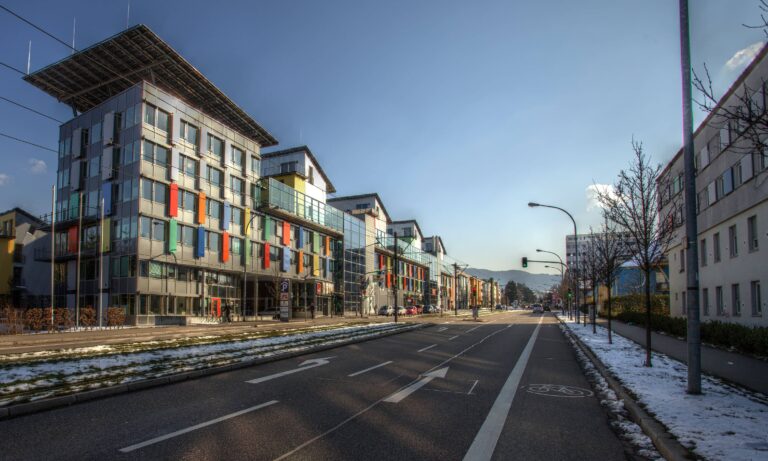
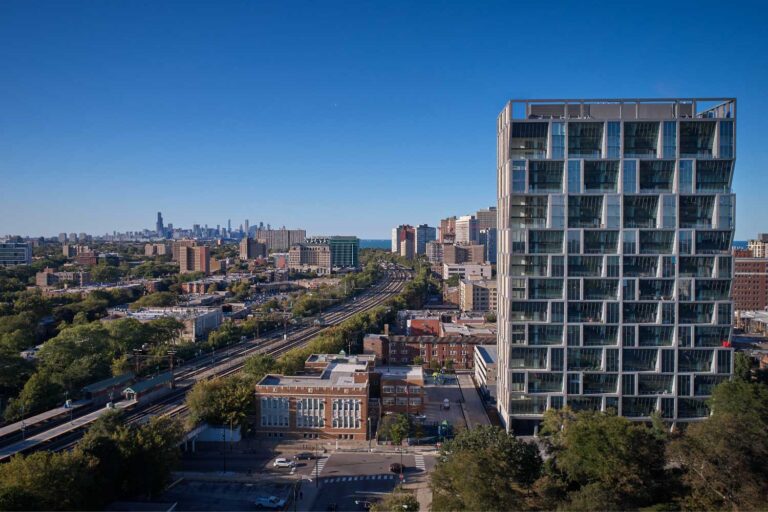
In crowded cities, carbon-neutral homes reduce reliance on strained energy grids while cutting down pollution. They can serve as sustainable blueprints for entire communities.
Retrofitting Old Homes
This provides a practical path toward sustainability without requiring new construction.
Climate Resilience
Carbon-neutral homes are designed to withstand extreme weather events. Their reliance on renewable energy ensures continued operation during power outages caused by storms or heatwaves.
Affordable Sustainable Living
By lowering long-term operational costs, carbon-neutral homes provide affordable living solutions for families, especially in regions where energy costs are high.
Frequently Asked Questions
Q1. How do carbon-neutral homes differ from energy-efficient homes?
Energy-efficient homes reduce energy use, while carbon-neutral homes go a step further by offsetting or eliminating all carbon emissions. Carbon neutrality requires renewable energy integration and often offsets through carbon credits or regenerative design.
Q2. Are carbon-neutral homes realistic for average homeowners?
Yes. While costs may be higher initially, government incentives, technological advancements, and retrofitting options make it increasingly accessible for average households.
Q3. Can carbon-neutral homes be built in all climates?
Yes. The design strategies may differ-solar power may dominate in sunny regions, while geothermal or wind systems may be more effective in others. The principle of balancing energy consumption with renewable generation applies universally.