Housing Apartments for Rent 2025 Complete Guide, Benefits, and Real-World Examples
Finding the right apartment to rent has become one of the most important decisions for individuals and families in urban and suburban areas. Housing apartments for rent are more than just living spaces; they are gateways to convenience, modern living, and community experiences. With demand rising and lifestyles evolving, the rental market has expanded to include flexible leasing, smart technology, and diverse housing options to meet different needs.
This article explores housing apartments for rent in depth, covering their importance, benefits, technology adoption, and real-world examples. It also provides detailed use cases and answers frequently asked questions to guide renters in understanding the modern apartment rental landscape.
Understanding Housing Apartments for Rent
Housing apartments for rent are residential units available for individuals, students, families, or professionals who prefer renting rather than purchasing property. Unlike ownership, renting provides flexibility, affordability, and less long-term commitment.
Apartments for rent vary widely, from studio apartments in busy city centers to multi-bedroom units in suburban communities. They often come with amenities such as gyms, parking facilities, shared lounges, and secure entry systems. The rise of professionally managed apartment complexes has made renting a more attractive option for those seeking convenience and lifestyle benefits.
Types of Housing Apartments for Rent
Studio Apartments
Studio apartments are compact, single-room units that combine living, sleeping, and kitchen spaces. They are ideal for students, single professionals, or individuals who value affordability and minimalism.
Though small in size, many modern studios maximize efficiency through smart layouts and multipurpose furniture. They are especially popular in city centers where space is limited but accessibility is a top priority.
One-Bedroom and Two-Bedroom Units
One-bedroom and two-bedroom apartments are among the most common rental options. These units provide a balance between affordability and comfort, making them suitable for young couples, small families, or roommates.
Many one- and two-bedroom apartments include upgraded amenities such as in-unit laundry, modern kitchens, and private balconies. They offer more privacy than studios while still being accessible and budget-friendly.
Luxury Apartments
Luxury apartments cater to tenants who prioritize premium amenities and upscale living. These apartments often feature rooftop lounges, fitness centers, high-end appliances, concierge services, and smart home technology.
Although more expensive, luxury apartments appeal to professionals and families who want convenience, security, and a high-quality lifestyle in desirable neighborhoods.
Family-Oriented Apartments
Larger multi-bedroom apartments are designed with families in mind. These units are often located in residential areas with access to schools, playgrounds, and community centers.
Family-oriented apartments typically emphasize spacious layouts, green spaces, and family-friendly amenities, making them an excellent alternative to owning a single-family home.
Benefits of Housing Apartments for Rent
Flexibility and Affordability
Renting an apartment provides flexibility for individuals who may relocate for work, education, or lifestyle reasons. Unlike owning a home, renting does not require long-term mortgage commitments or significant upfront costs.
Affordability is another major advantage. Renters avoid expenses related to property taxes, large down payments, and most maintenance costs. This makes renting an appealing choice, especially in competitive real estate markets.
Community and Shared Amenities
Modern apartment complexes provide access to shared facilities such as fitness centers, pools, coworking spaces, and lounges. These amenities not only enhance convenience but also create a sense of community among residents.
Shared amenities often represent cost savings compared to maintaining similar features in a private home. For example, access to a gym in an apartment complex eliminates the need for an external gym membership.
Low Maintenance Living
One of the greatest benefits of renting is reduced responsibility for maintenance. Tenants can rely on landlords or property management companies to handle repairs, landscaping, and upkeep.
This makes renting especially appealing to students, busy professionals, and retirees who prefer a hassle-free lifestyle.
Technology Integration
Technology has transformed apartment living. From digital payment portals and online maintenance requests to smart locks and energy-efficient appliances, technology improves both convenience and sustainability.
Virtual tours, AI-powered leasing platforms, and smart security systems have also made the process of renting more transparent and accessible for tenants.
Real-World Examples of Housing Apartments for Rent
1. Greystar Apartment Communities
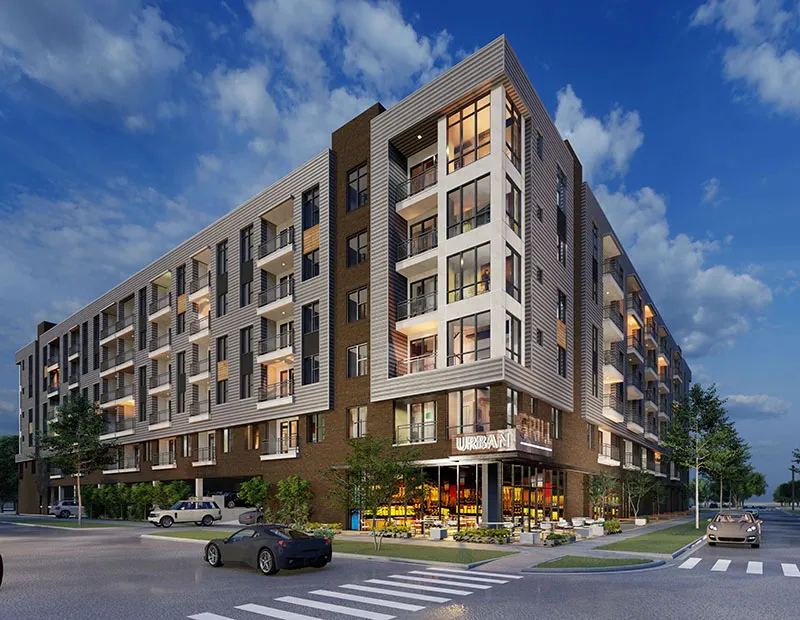
Greystar is a global leader in rental housing management, offering diverse apartment communities across major cities. Their properties often feature luxury amenities, professional management, and tech-integrated living spaces.
Tenants benefit from Greystar’s focus on customer service, with online portals for rent payments, maintenance scheduling, and community engagement. This model demonstrates how rental apartments can combine convenience, comfort, and professionalism.
2. AvalonBay Communities
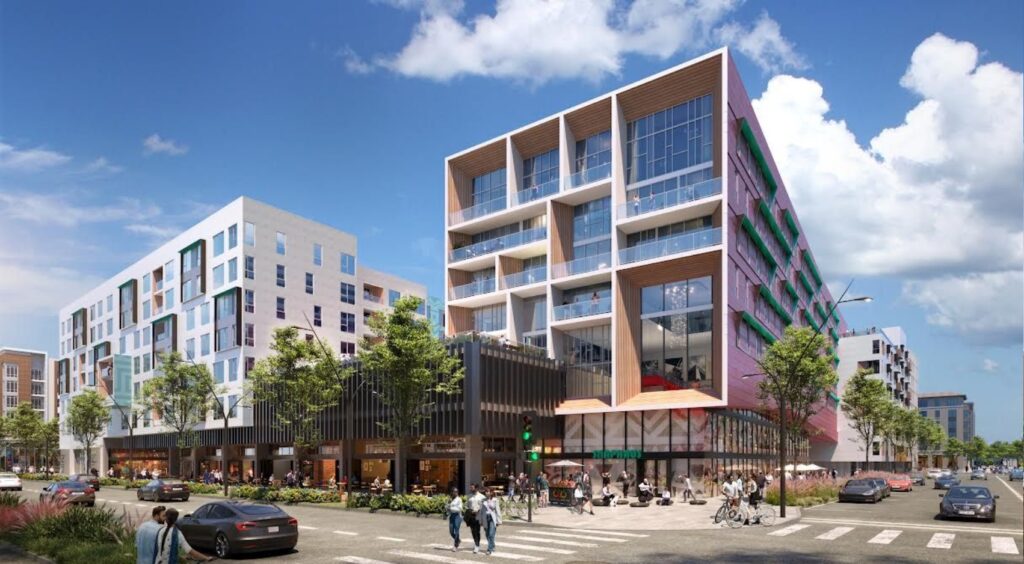
AvalonBay manages thousands of apartment units across the United States, offering options from budget-friendly housing to upscale apartments. Their communities emphasize modern design, sustainability, and premium amenities.
AvalonBay’s focus on eco-friendly construction and green living makes it stand out in today’s environmentally conscious housing market. Tenants gain access to energy-efficient living while enjoying modern convenience.
3. Equity Residential Apartments
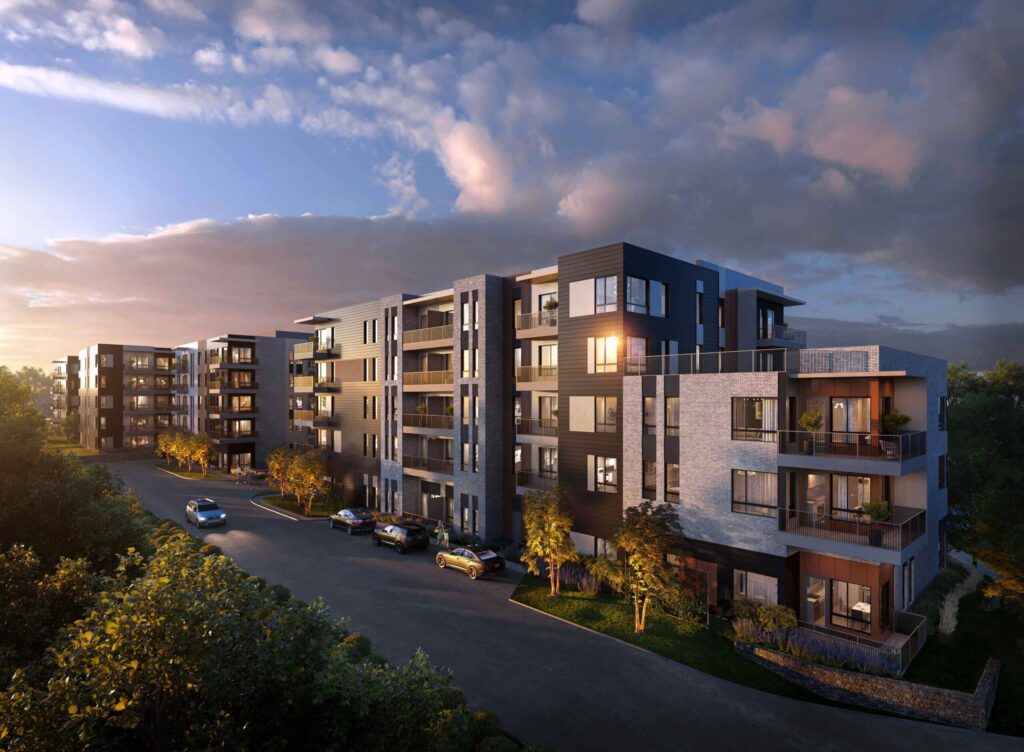
Equity Residential operates high-quality apartment communities in urban and suburban areas. Their focus is on tenant satisfaction, with features such as secure living environments, smart technology, and pet-friendly options.
This example highlights how residential rental companies cater to diverse tenant needs, whether for families, professionals, or students. Their properties illustrate how managed apartments enhance comfort and security.
4. Invitation Homes (Rental Homes Alternative)
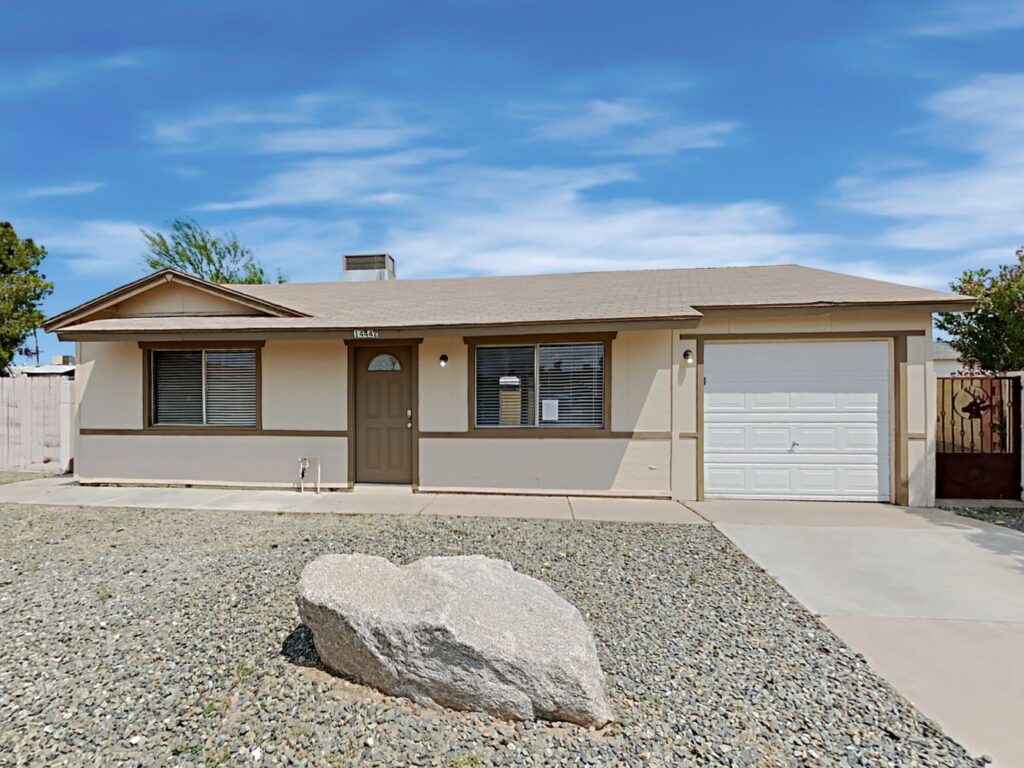
Although primarily focused on single-family homes, Invitation Homes is a relevant example as it shows how the rental market is diversifying. Many families now choose large rental homes or apartments as alternatives to homeownership.
By offering spacious rentals in desirable neighborhoods, Invitation Homes provides an option for families who want stability without the financial burden of ownership.
Use Cases of Housing Apartments for Rent
Supporting Urban Professionals
Young professionals often choose apartments for rent in city centers to reduce commute times and access career opportunities. Apartments offer flexible leases, modern amenities, and proximity to workspaces, making them ideal for fast-paced lifestyles.
Housing Solutions for Students
Students benefit from affordable and well-located apartments near universities. Shared apartments reduce costs while fostering a social environment. Professionally managed properties also provide security and maintenance services.
Flexible Options for Families
Families who are not ready to buy homes often opt for multi-bedroom apartments. These rentals provide space, access to schools, and community features such as playgrounds. Families enjoy the flexibility of renting without the long-term financial obligations of owning.
Lifestyle-Oriented Living
For those who value luxury and convenience, premium apartments with concierge services, fitness centers, and smart home features provide lifestyle-driven housing solutions. These appeal to individuals and couples who prioritize comfort and modern design.
Frequently Asked Questions
Q1. What is the main difference between renting an apartment and owning a home?
Renting provides flexibility and lower upfront costs, while owning offers long-term equity. Renters avoid property taxes and most maintenance responsibilities, whereas homeowners build value through property appreciation over time.
Q2. Are luxury apartments worth the higher rent?
Luxury apartments provide premium amenities such as fitness centers, rooftop lounges, and concierge services. For individuals who prioritize convenience, security, and lifestyle, the higher rent can be justified by the added value.
Q3. How has technology changed the rental apartment experience?
Technology has introduced online leasing, virtual tours, automated rent payments, and smart home features. These tools make renting more efficient, secure, and accessible, improving the overall tenant experience.