Real Estate with IoT Technology Transforming Modern Property Development
The integration of the Internet of Things (IoT) into real estate is revolutionizing the way properties are built, managed, and experienced. By connecting devices, sensors, and systems into one network, IoT enables real estate developers, property managers, and tenants to benefit from smarter, more efficient environments.
IoT technology in real estate is no longer a futuristic concept. From intelligent heating and cooling systems to predictive maintenance in commercial properties, IoT is transforming both residential and commercial real estate markets. This transformation ensures cost savings, sustainability, and convenience for property stakeholders.
Core Concept of Real Estate with IoT Technology
IoT in real estate involves embedding sensors and smart devices into property infrastructure. These devices gather data on energy consumption, air quality, occupancy, and security, which can then be analyzed to improve decision-making.
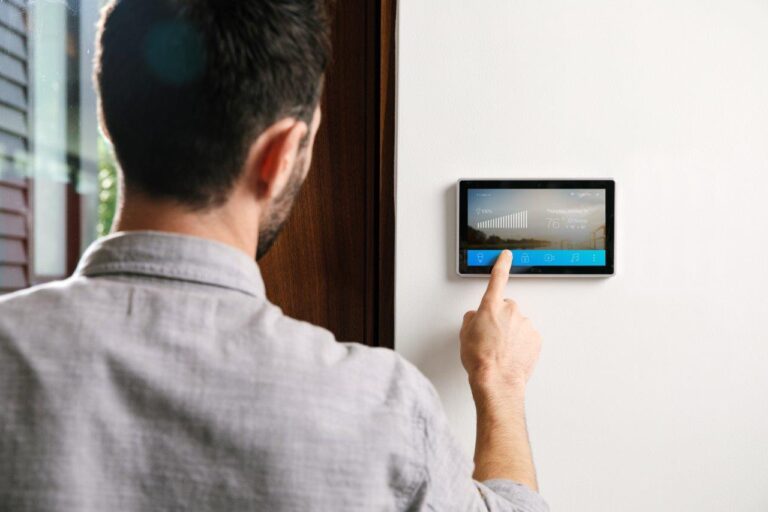
For residents, IoT means automated lighting, smart security, and climate control. For property owners, it ensures better operational efficiency and long-term cost reduction. Developers also use IoT to enhance property value and create innovative selling points that appeal to modern buyers and tenants.
Benefits of IoT in Real Estate
Improved Energy Efficiency
One of the most important benefits of IoT in real estate is energy optimization. Smart thermostats, connected lighting systems, and automated HVAC units can reduce unnecessary energy consumption. By collecting usage data, buildings can adjust systems automatically, leading to significant reductions in energy costs and environmental impact.
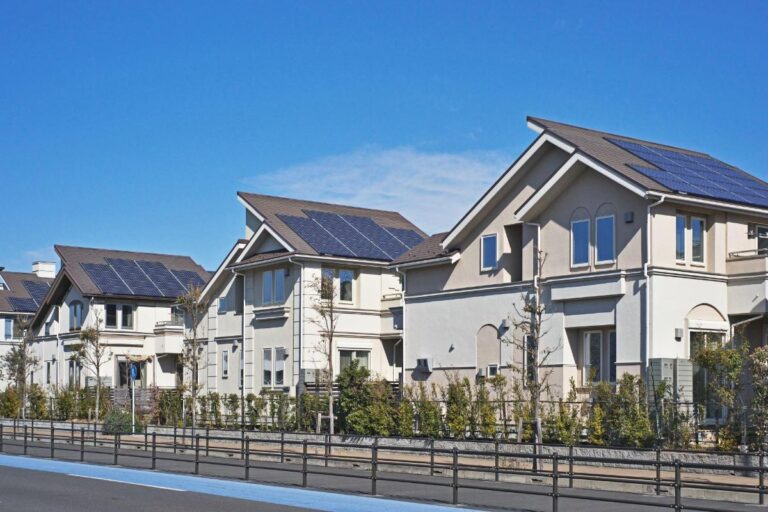
Energy-efficient buildings also comply with increasingly strict government regulations, making IoT not just a convenience but a necessity for long-term sustainability in property development.
Enhanced Security and Safety
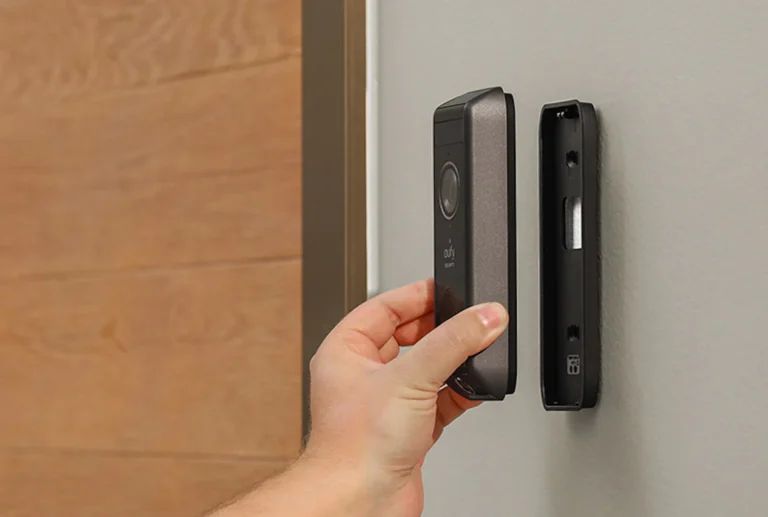
IoT-powered real estate integrates advanced security systems, including smart locks, surveillance cameras, and motion detectors. These systems can notify residents or property managers of unusual activities, provide remote access control, and even detect fire or gas leaks in real time.
Enhanced safety builds trust between tenants and landlords, while also reducing risks for property investors. This makes IoT a valuable investment in both residential and commercial real estate.
Predictive Maintenance and Cost Savings
IoT devices in real estate properties can detect maintenance issues before they escalate. For example, water leak sensors can prevent costly flooding, while HVAC sensors can identify performance inefficiencies early. Predictive maintenance reduces emergency repair costs and extends the lifespan of equipment.
This proactive approach ensures that property managers spend less on unexpected breakdowns and more on sustainable, planned upgrades.
Real-World Examples of IoT in Real Estate
1. Smart Thermostat Integration in Buildings
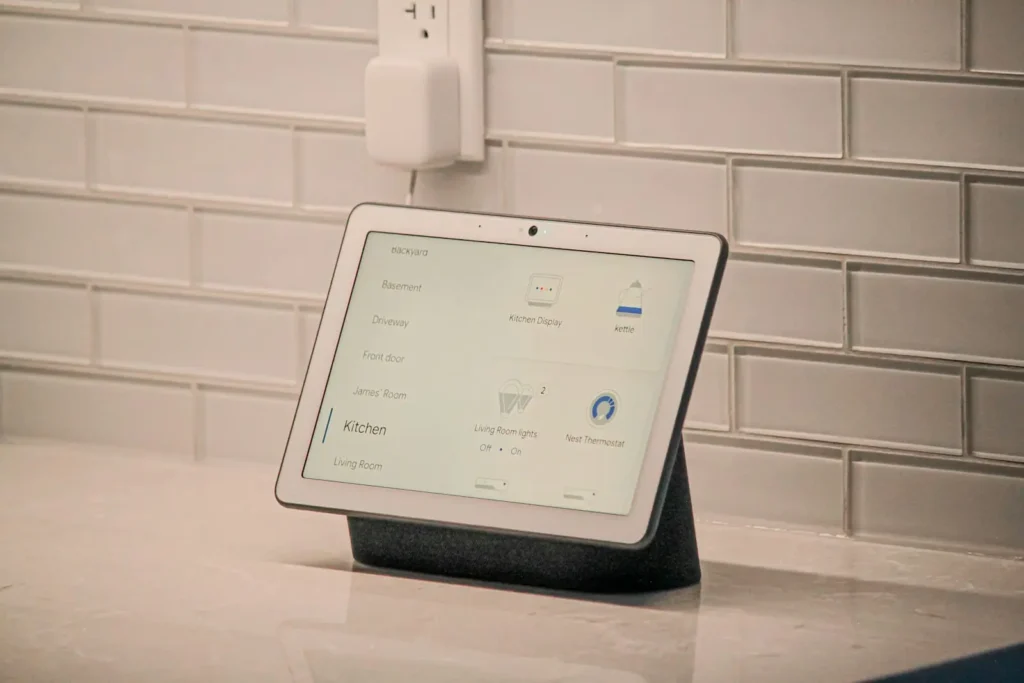
Smart thermostats such as the Nest Learning Thermostat are commonly used in real estate to improve energy efficiency. In modern apartments or office spaces, they adapt to tenant behavior and optimize heating and cooling automatically.
This product is relevant because it not only enhances tenant comfort but also reduces energy expenses significantly. Property managers also benefit from centralized control of multiple units, ensuring large-scale efficiency.
2. IoT-Enabled Smart Lighting
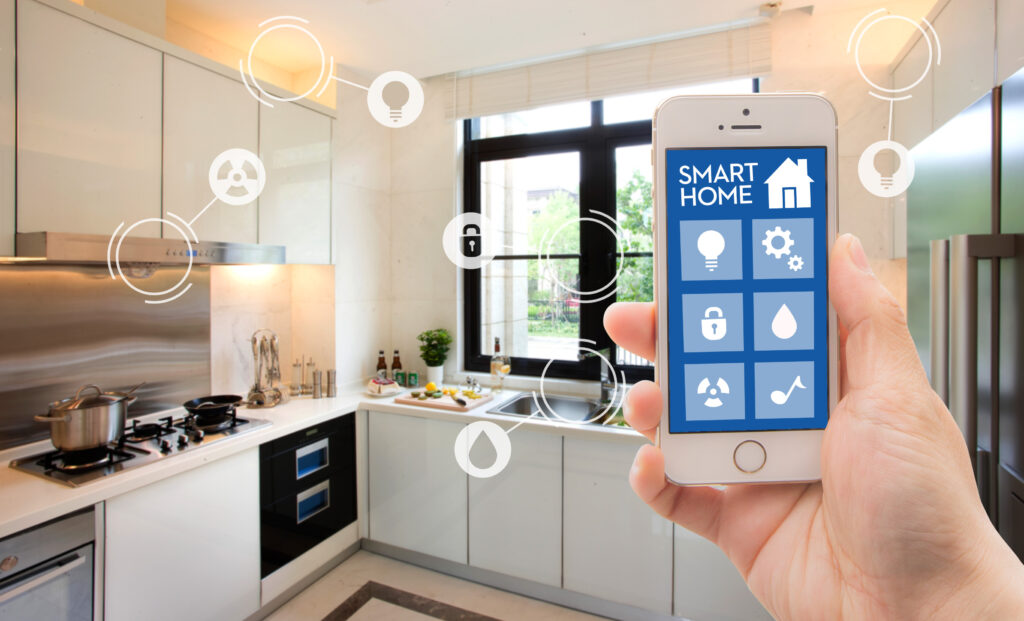
Smart lighting systems, such as Philips Hue, play an essential role in smart apartments and commercial properties. These lights adjust based on occupancy sensors, natural light levels, and user preferences, reducing waste while enhancing comfort.
In real estate, smart lighting is relevant for both cost savings and property appeal. Tenants appreciate customizable ambiance and convenience, while property owners highlight energy-efficient solutions in their marketing.
3. IoT Security and Access Control
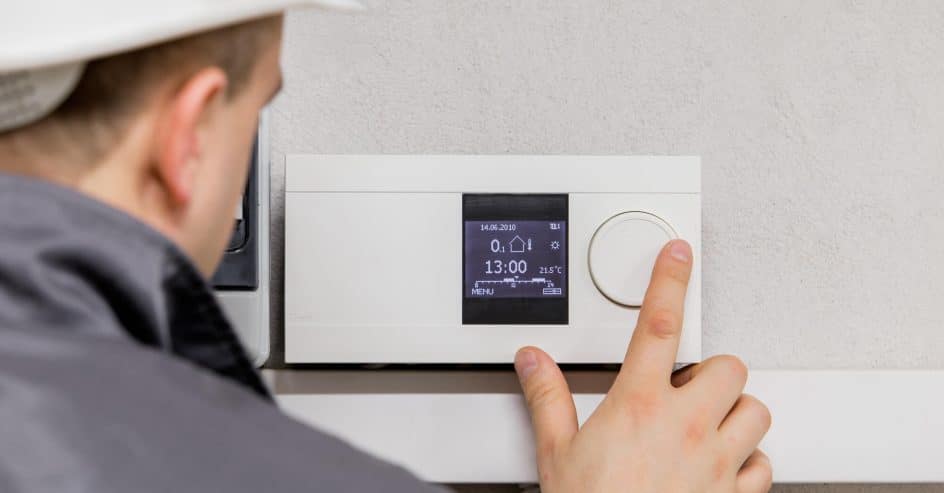
IoT-enabled security systems, such as Ring smart cameras or August smart locks, allow property managers and tenants to monitor and control access remotely. Smart locks eliminate the need for physical keys, while video doorbells provide real-time visibility.
These tools are especially relevant in multi-tenant properties, where managing security is complex. IoT enhances safety while offering convenience and transparency in property management.
4. Building Management with IoT Platforms

IoT platforms like Honeywell Forge or Siemens Desigo CC help property managers monitor entire buildings. These platforms integrate HVAC, lighting, security, and energy data into one dashboard.
In commercial real estate, this technology is invaluable. It provides insights into occupancy patterns, optimizes building operations, and reduces costs. This relevance highlights IoT’s ability to transform property management from reactive to proactive.
5. Smart Appliances for Tenant Experience
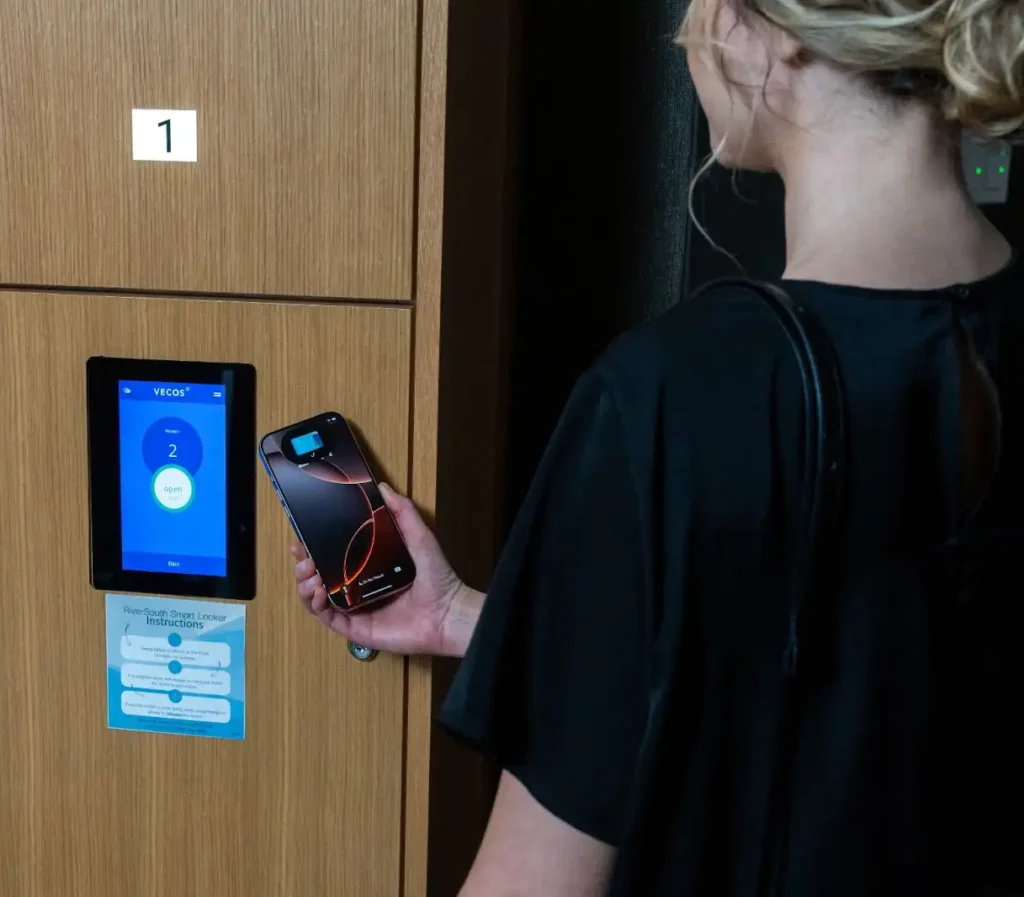
IoT-enabled appliances such as connected refrigerators, washing machines, and ovens are increasingly found in high-end apartments. They allow tenants to remotely manage tasks and receive alerts when appliances need servicing.
For real estate developers, including smart appliances increases property value and tenant satisfaction. This relevance demonstrates how IoT can improve daily life while ensuring efficiency in property offerings.
Use Cases of IoT in Real Estate
Smart Residential Apartments
IoT technology transforms apartments into fully connected living spaces. Residents can control lights, thermostats, and appliances from their smartphones. These smart apartments not only improve quality of life but also attract younger tenants who value technology-driven convenience.
Commercial Real Estate Optimization
Office buildings use IoT for occupancy tracking, predictive maintenance, and energy monitoring. For example, sensors can detect underused meeting rooms and reallocate resources accordingly. This improves space utilization and reduces operational costs, making IoT a game-changer for commercial property managers.
Property Management Efficiency
IoT helps property managers oversee multiple buildings more effectively. Centralized platforms allow them to monitor security, manage energy use, and respond to maintenance alerts in real time. This use case reduces costs and improves tenant satisfaction, making it a win-win for all stakeholders.
Why IoT is the Future of Real Estate
The rise of smart cities and sustainable living has made IoT indispensable in modern real estate. It bridges the gap between tenants’ expectations and property developers’ goals. From lowering operational costs to improving daily living, IoT’s benefits are both immediate and long-term.
As real estate continues to embrace digital transformation, IoT will play an even greater role in creating smarter, safer, and more sustainable living and working environments.
FAQ
Q1. How does IoT increase property value in real estate?
IoT features such as smart thermostats, lighting, and security increase property appeal, making units more attractive to buyers and renters. This directly enhances property value and competitiveness in the market.
Q2. Is IoT technology in real estate difficult to maintain?
Not necessarily. Most IoT systems are designed for user-friendliness and remote management. Predictive maintenance features reduce the need for frequent repairs, making long-term upkeep easier.
Q3. Can IoT in real estate help reduce environmental impact?
Yes, IoT significantly reduces energy consumption through automated systems. By optimizing heating, cooling, and lighting, properties can lower their carbon footprint and support sustainable living.