Residential Apartments Near Me Complete Guide to Living, Benefits, and Real-World Insights
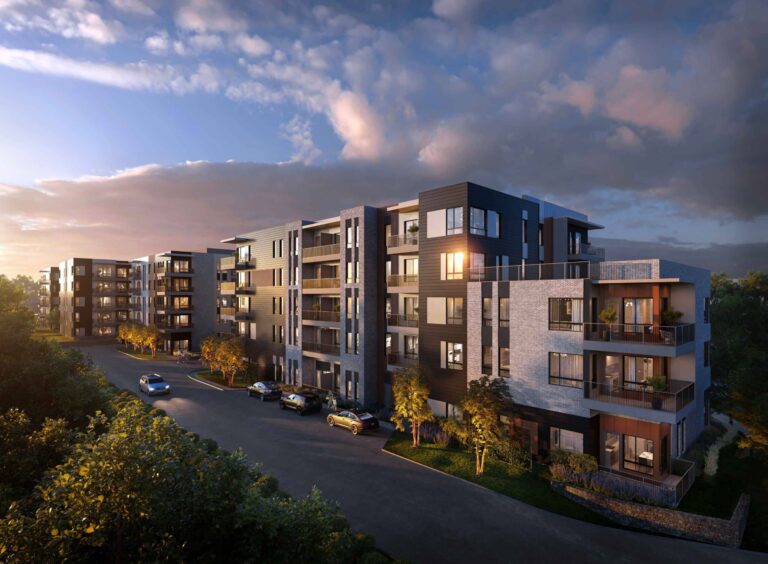
Residential apartments have become one of the most practical housing solutions in modern cities. With growing urban populations and rising demand for convenient living, people are increasingly searching for “residential apartments near me” to find suitable options within their preferred location.
Apartments are designed to balance affordability, accessibility, and lifestyle. Unlike traditional single-family homes, apartments offer shared amenities, central locations, and maintenance support, making them ideal for professionals, families, and students. The surge in demand for apartments reflects broader lifestyle changes, where convenience and community are highly valued.
What Are Residential Apartments?
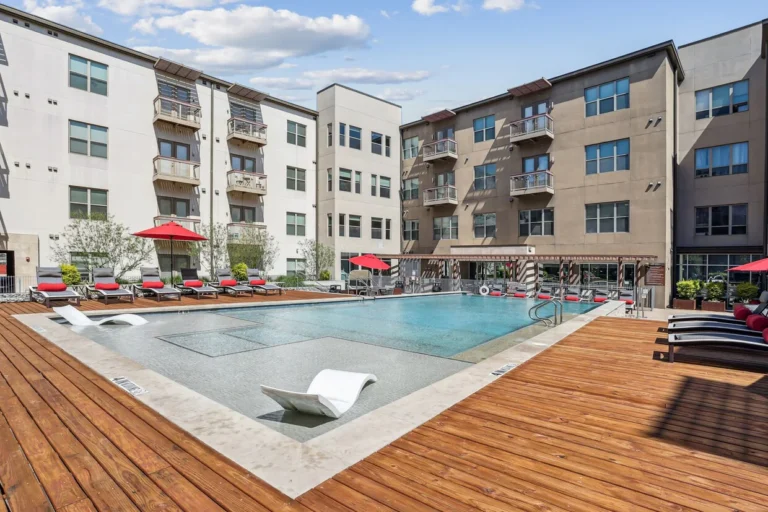
Residential apartments are multi-unit housing structures where individuals or families occupy separate living spaces within the same building. Each unit is fully equipped with essential living facilities such as kitchens, bathrooms, bedrooms, and living areas. Depending on the type of apartment, residents may also have access to shared amenities such as gyms, pools, lounges, or community gardens.
These living arrangements are particularly popular in metropolitan areas where land availability is limited and housing costs are high. By searching for residential apartments near you, potential residents can identify properties that match their commuting needs, budget, and lifestyle preferences.
Why People Search for Residential Apartments Near Me
The phrase “residential apartments near me” is a reflection of convenience. Modern renters and buyers prioritize proximity to work, schools, shopping centers, and public transport. Searching locally ensures that the options align with one’s daily routine.
This trend also reflects the shift towards urban living, where residents prefer to be close to key services and entertainment venues. Instead of spending hours commuting, people look for housing solutions that place them at the center of urban opportunities.
Benefits of Residential Apartments
Accessibility and Location Convenience
One of the main benefits of residential apartments is location. Apartments are usually situated in urban centers or well-connected neighborhoods. This provides quick access to schools, offices, hospitals, and shopping malls. For busy professionals and families, this accessibility improves quality of life by saving time and reducing transportation costs.
Being close to essential services also contributes to a better work-life balance. Residents can enjoy local dining, entertainment, and cultural experiences without traveling long distances.
Cost Efficiency and Maintenance Support
Apartments often come with lower costs compared to single-family homes in the same area. While offering essential facilities, many apartments also include shared amenities like gyms, laundry rooms, and parking areas. These shared costs are distributed among residents, making them more affordable.
Maintenance is another advantage. Property management teams usually handle repairs, landscaping, and security, reducing the burden on residents. This makes apartment living an attractive option for those who prefer low-maintenance lifestyles.
Community and Shared Amenities
Apartments often foster a sense of community through shared spaces such as lounges, gardens, and recreational areas. This environment encourages social interaction while still maintaining privacy within individual units.
Shared amenities, such as fitness centers, swimming pools, and children’s play areas, enhance the overall living experience. Residents can enjoy facilities that may be too expensive to maintain in standalone homes.
Real-World Examples of Residential Apartments
1. Luxury Residential Apartments in New York City

In New York City, luxury residential apartments are designed for individuals seeking premium living in the heart of a global metropolis. These apartments often include rooftop lounges, concierge services, private gyms, and skyline views.
They are popular among professionals who value proximity to business hubs and cultural landmarks. While offering convenience, they also provide a lifestyle of exclusivity, making them one of the most sought-after housing types in the city.
2. Family-Oriented Apartments in Dallas, Texas
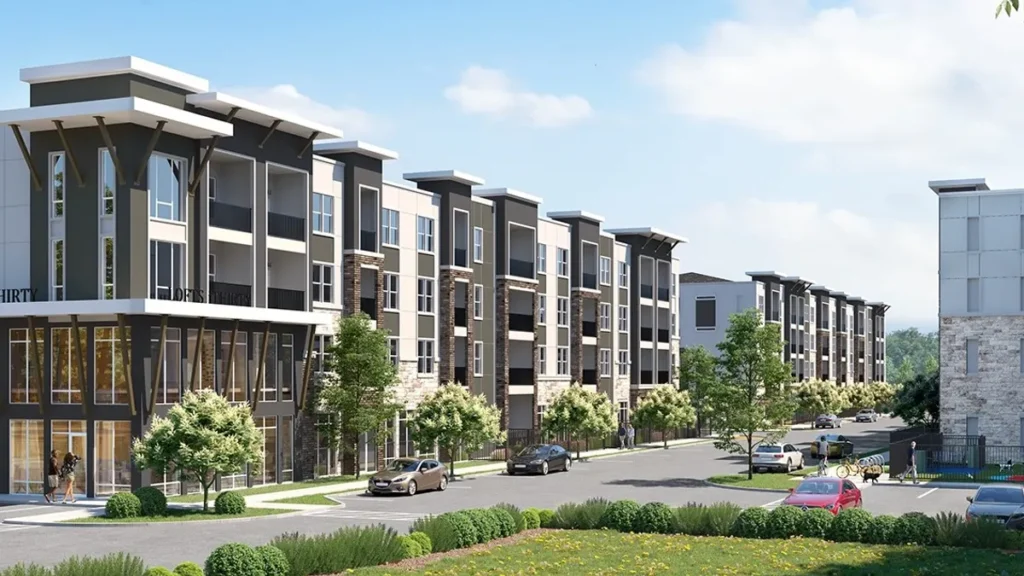
In Dallas, family-oriented residential apartments are designed with space and comfort in mind. These units often come with multiple bedrooms, outdoor play areas, and access to quality schools nearby.
They are tailored for families who want suburban comfort within city limits. The blend of affordability, accessibility, and family-friendly design makes these apartments a strong choice for long-term living.
3. Student Residential Apartments in Boston, Massachusetts
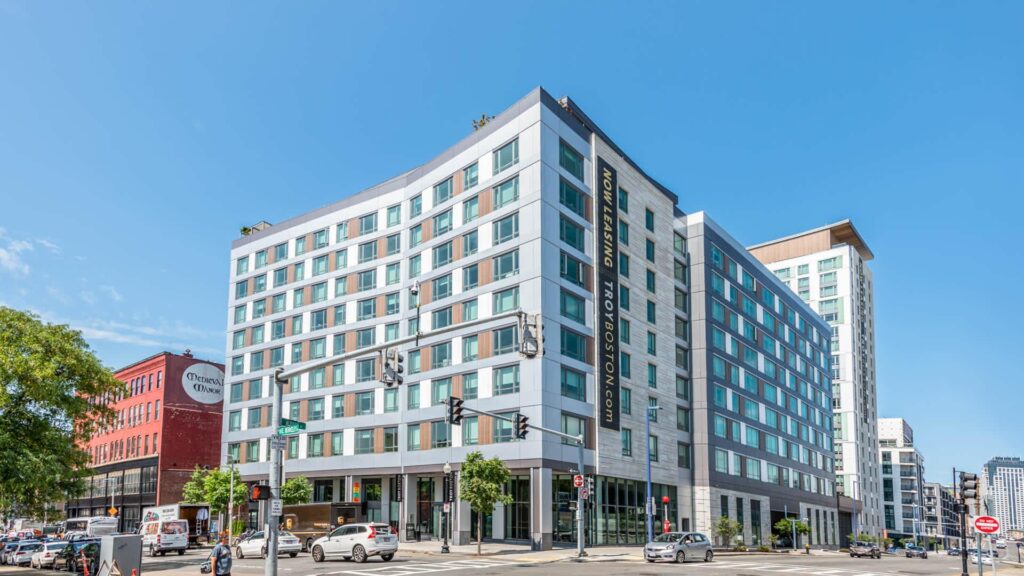
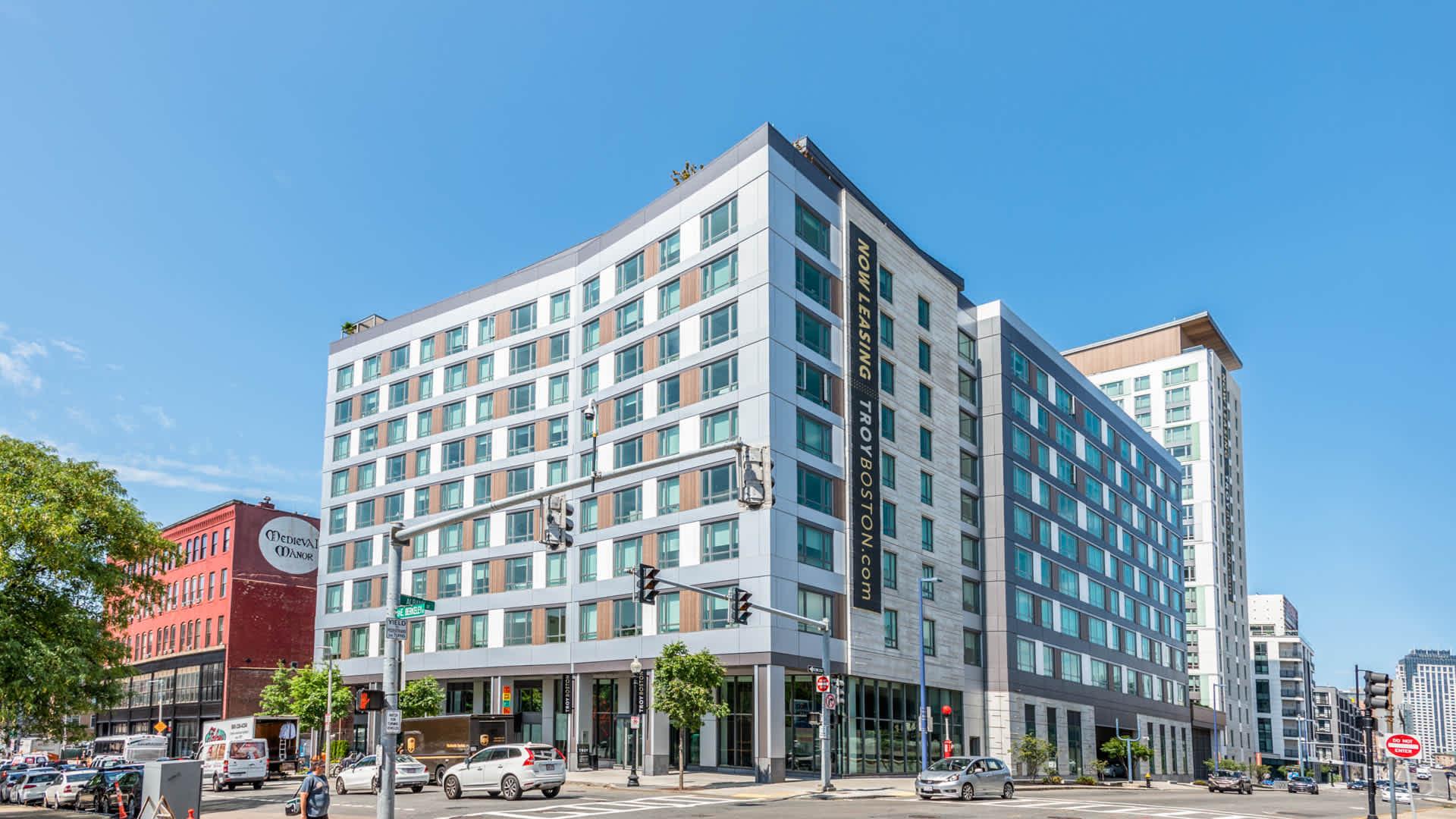
Boston is home to numerous universities, making student apartments a high-demand category. These apartments are designed for affordability and proximity to campuses, often with shared living arrangements, high-speed internet, and study lounges.
Students benefit from reduced commuting times, community support, and access to city life. This housing solution balances affordability with academic convenience, making it essential for young residents.
4. Eco-Friendly Apartments in Portland, Oregon
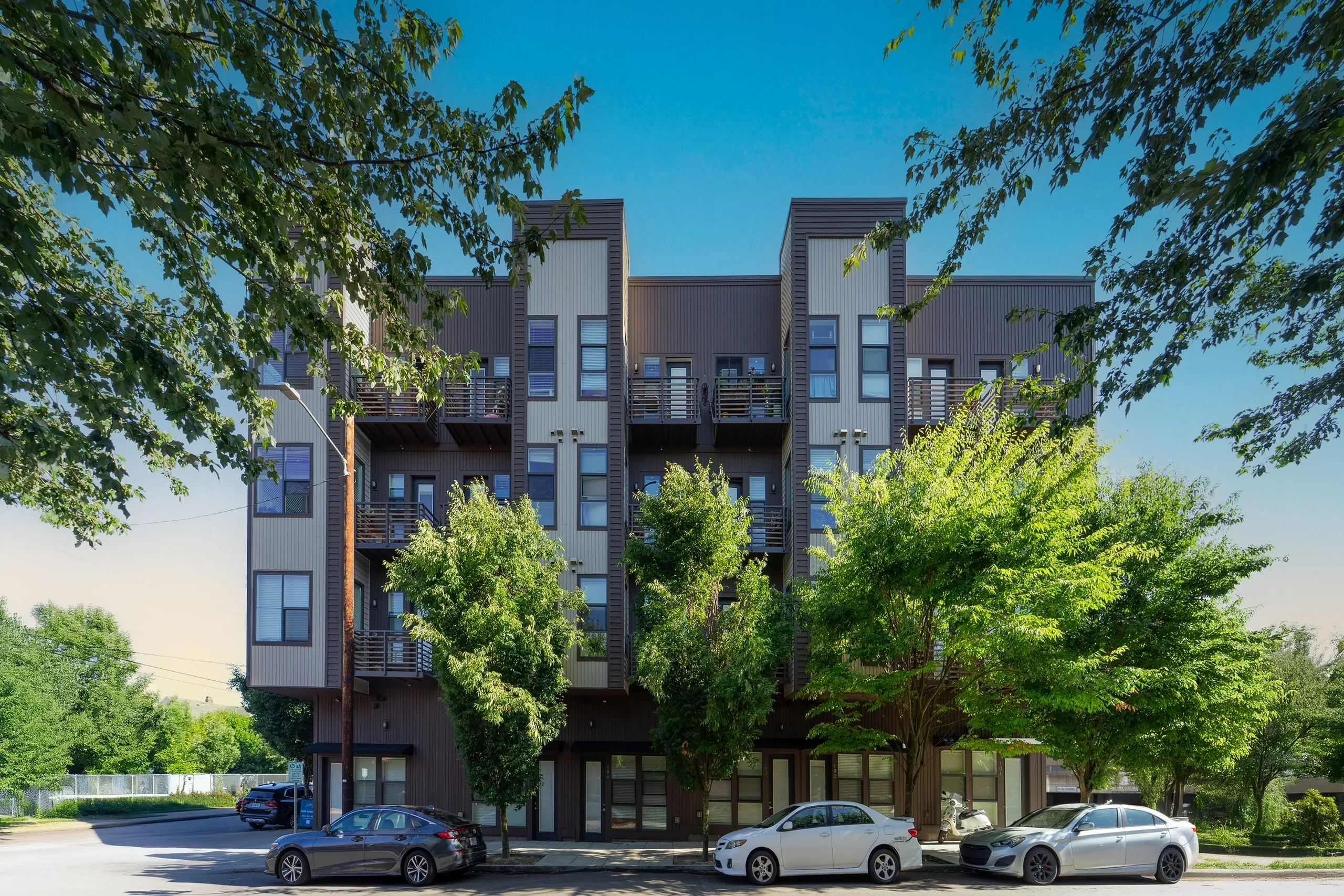
Portland is known for its sustainable living initiatives, and many residential apartments reflect this trend. Eco-friendly apartments include energy-efficient appliances, solar panels, and green rooftops.
These properties appeal to environmentally conscious residents who prioritize reducing their carbon footprint. Beyond sustainability, they also provide cost savings on utilities, creating a balance between lifestyle and responsibility.
Practical Use Cases of Residential Apartments
Solving Housing Affordability Issues
Rising real estate prices in urban centers have made apartments a more accessible solution for individuals and families. They provide affordability without sacrificing location convenience.
Supporting Professional Lifestyles
Apartments close to business districts allow professionals to minimize commuting times, giving them more time for productivity and leisure. This lifestyle fit is one reason apartments dominate urban housing markets.
Enabling Student Living
Student apartments address the unique challenges of academic life, providing safe, affordable, and well-located housing. They reduce stress for students who need to balance study schedules with city life.
Encouraging Community Living
Apartments bring together people from diverse backgrounds, creating opportunities for networking and socialization. Community-driven amenities, such as shared gardens or lounges, add value to everyday living.
The Role of Technology in Residential Apartments
Technology has significantly enhanced the apartment living experience.
Smart Home Integration
Modern apartments are increasingly adopting smart home features such as voice-controlled lighting, automated thermostats, and app-based door locks. These tools improve convenience, energy efficiency, and security for residents.
Enhanced Security Systems
Advanced surveillance cameras, biometric entry systems, and remote monitoring apps ensure the safety of residents. Each unit can benefit from independent security features while enjoying building-wide protection.
Sustainable Technologies
Energy-efficient appliances, smart water management systems, and solar installations make apartments eco-friendly and cost-effective. This aligns with the growing demand for sustainable housing options in urban areas.
Frequently Asked Questions
Q1. What makes residential apartments different from single-family homes?
Residential apartments are part of multi-unit buildings, offering shared amenities and maintenance services. Unlike single-family homes, they provide affordability, location convenience, and community living within one structure.
Q2. Are residential apartments a good option for families?
Yes, many apartments are designed with families in mind. They provide multiple bedrooms, safe play areas, and proximity to schools. Family-oriented apartments combine comfort with affordability, making them a popular choice.
Q3. How has technology improved residential apartments?
Technology has introduced smart home features, improved security, and sustainability measures. From automated systems to energy-efficient designs, technology enhances both convenience and long-term cost savings.